
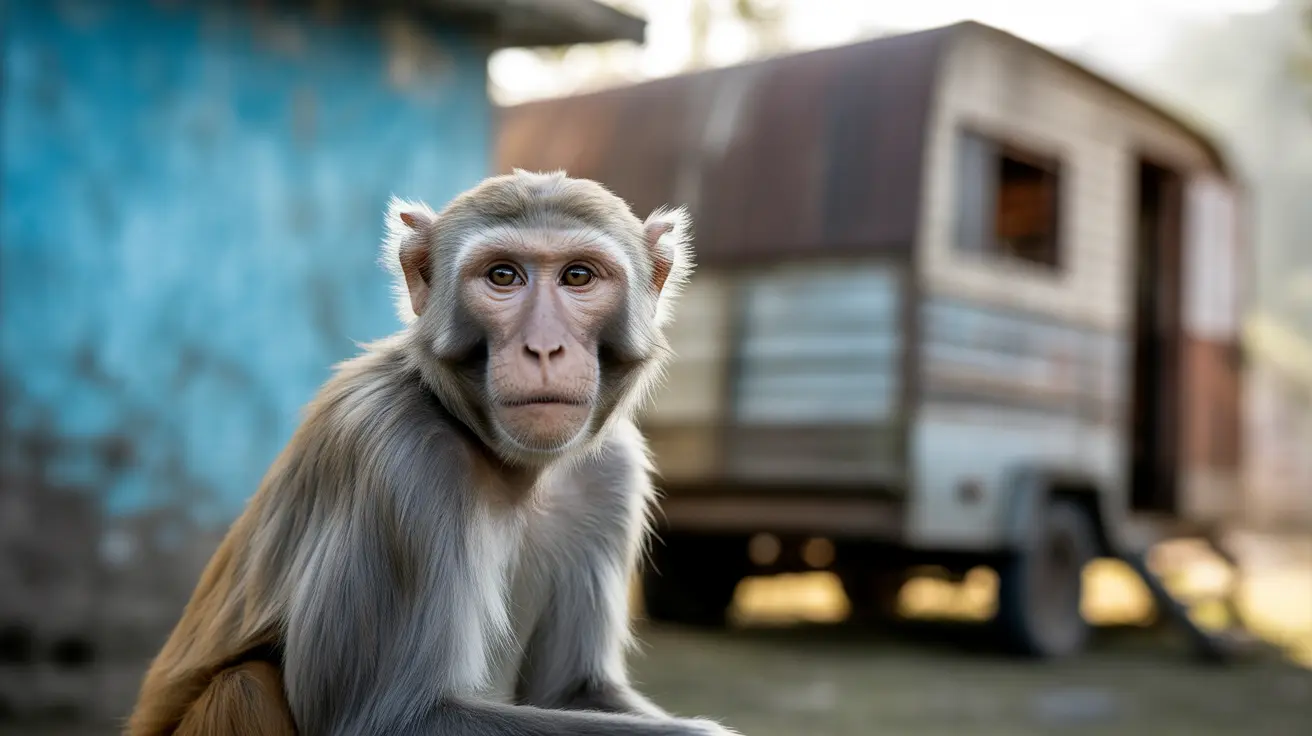
A heartwarming rescue story has captured national attention as Forrest, a rhesus macaque, begins his new life at Popcorn Park Animal Refuge in New Jersey. The remarkable journey of this rhesus monkey rescue began with a tragic truck accident in Mississippi, where Forrest was one of 21 monkeys being transported for biomedical research when their vehicle overturned on an interstate highway.
This extraordinary case highlights the important work of animal sanctuaries and the complex issues surrounding the transportation of animals for research purposes. For pet owners and animal lovers, Forrest's story demonstrates the dedication of rescue organizations to provide safe havens for animals in need, regardless of their species or background.
From Research Lab to Sanctuary Life
The truck crash monkeys incident in Mississippi marked a turning point for Forrest and his fellow primates. While the details of the accident remain part of an ongoing investigation, the aftermath led to an unprecedented opportunity for some of these animals to find new homes outside the research environment.
Popcorn Park Animal Refuge, operated by the Associated Humane Societies, stepped forward to provide Forrest with a permanent home. This animal sanctuary New Jersey facility has built a reputation for accepting animals that traditional shelters cannot accommodate, including exotic species, former circus animals, and wildlife that cannot be released back into their natural habitats.
Understanding Rhesus Macaque Care
Rhesus monkeys require specialized care that differs significantly from traditional pets. These intelligent primates need complex environments that stimulate their natural behaviors, including climbing structures, puzzle feeders, and social interaction opportunities. At animal rehabilitation facilities like Popcorn Park, veterinary staff and caregivers work together to ensure each animal's physical and psychological well-being.
The transition from a research environment to a sanctuary setting requires careful monitoring and gradual adjustment. Rescued primates often need time to adapt to new surroundings, different social structures, and modified daily routines. Professional caregivers at primate rescue centers understand these unique needs and provide individualized attention to help animals like Forrest thrive in their new environment.
The Role of Animal Sanctuaries
The difference between a sanctuary vs zoo becomes clear when examining facilities like Popcorn Park Animal Refuge. While zoos focus primarily on education and conservation through public exhibition, sanctuaries prioritize the welfare of individual animals, many of whom have been rescued from difficult circumstances.
Exotic animal sanctuary facilities typically operate with different goals than traditional zoos. Sanctuaries often house animals that cannot be safely released into the wild due to injury, human imprinting, or other factors. These facilities focus on providing the best possible quality of life for their residents rather than breeding programs or public entertainment.
Supporting Animal Welfare Alternatives
Forrest's story brings attention to the broader conversation about animal welfare alternatives in research and other industries. Many organizations advocate for the development of alternative testing methods and improved living conditions for animals used in scientific research.
For pet owners interested in supporting similar rescue efforts, there are several ways to contribute to organizations like the Associated Humane Societies. Many sanctuaries rely on donations, volunteer support, and educational outreach to continue their important work. Even small contributions can make a significant difference in the lives of rescued animals.
Frequently Asked Questions
What is Popcorn Park Animal Refuge and what animals do they rescue?
Popcorn Park Animal Refuge is a sanctuary operated by the Associated Humane Societies in New Jersey. The facility rescues and provides permanent homes for a variety of animals, including exotic species, former circus animals, wildlife that cannot be released, and animals with special needs that traditional shelters cannot accommodate.
How did Forrest the monkey end up at Popcorn Park after the Mississippi truck crash?
Forrest was one of 21 rhesus macaques being transported for biomedical research when their truck overturned on an interstate in Mississippi. Following the accident, Popcorn Park Animal Refuge stepped forward to provide Forrest with a permanent sanctuary home, offering him specialized care and a safe environment for the rest of his life.
What is the difference between an animal sanctuary and a traditional zoo?
Animal sanctuaries like Popcorn Park focus primarily on providing the best possible care for individual animals, many of whom are rescues that cannot be released into the wild. Traditional zoos typically emphasize education, conservation, and research through public exhibition. Sanctuaries prioritize animal welfare over public access, though many do offer educational programs to support their mission.
A New Chapter for Forrest
As Forrest settles into his new home at Popcorn Park Animal Refuge, his story serves as a reminder of the important role that animal sanctuaries play in providing second chances for animals in need. His journey from research subject to sanctuary resident illustrates the compassion and dedication of organizations committed to animal welfare.
For pet owners and animal lovers, Forrest's story encourages us to consider how we can support rescue organizations and advocate for the humane treatment of all animals. Whether through donations, volunteering, or simply spreading awareness about the important work of facilities like Popcorn Park, each of us can contribute to creating a more compassionate world for animals in need.




