
The Growing Field of 3D Printing for Animal Welfare
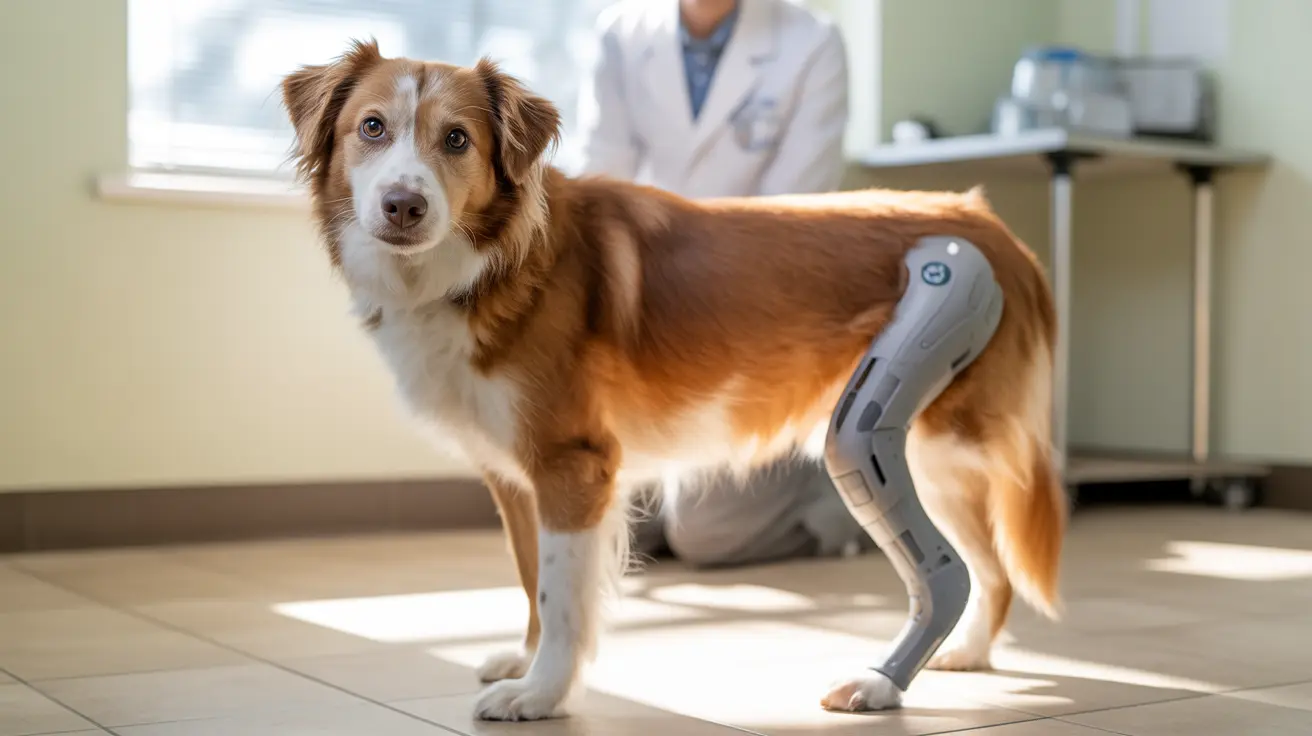
The use of 3D printed prosthetics for pets has emerged as a game-changing solution for animals who have lost limbs due to injury, birth defects, or medical conditions. Unlike traditional prosthetics that can be expensive and time-consuming to create, digital fabrication for animal welfare offers customizable, cost-effective alternatives that can be rapidly prototyped and adjusted.
FSU's program exemplifies how university art for animal shelters can have practical applications beyond aesthetic value. Students are learning to design functional devices that directly improve animals' mobility and comfort, while gaining hands-on experience with cutting-edge technology.
Custom Solutions for Individual Animal Needs
Each custom dog prosthetic leg or 3D printed cat prosthetic requires careful measurement and design consideration. The process typically begins with detailed scanning or measurement of the animal's existing limb or affected area. Students then use computer-aided design software to create a device that matches the animal's specific anatomy and movement patterns.
The materials used in these projects are selected for durability, comfort, and safety. Modern 3D printing materials can be lightweight yet strong, with surfaces that won't irritate sensitive animal skin. Many designs also incorporate adjustable elements to accommodate growth or changes in the animal's condition over time.
Beyond Prosthetics: Expanding Applications
While prosthetic limbs garner significant attention, 3D printed animal enrichment toys represent another valuable application of this technology. Students are creating puzzle feeders, interactive toys, and environmental enrichment items that can be customized for different species and individual animals' needs.
The technology also extends to 3D printing for wildlife conservation efforts. Projects have included creating artificial reef structures, nesting boxes designed for specific bird species, and feeding devices that help rehabilitate injured wildlife. These applications demonstrate how student 3D art animal projects can have far-reaching environmental impacts.
Educational and Practical Benefits
Programs like FSU's serve dual purposes: they provide valuable learning experiences for students while addressing real-world animal welfare challenges. Students gain practical experience in design thinking, problem-solving, and manufacturing processes while contributing to meaningful causes.
The collaborative nature of these projects often brings together students from multiple disciplines—art, engineering, veterinary science, and animal behavior—fostering interdisciplinary learning that mirrors real-world professional environments.
Impact on Veterinary Care
The integration of 3D printed vet devices for dogs and cats into mainstream veterinary practice is gradually expanding. Many veterinarians are recognizing the potential of these technologies to provide affordable solutions for their patients, particularly in cases where traditional prosthetics might be prohibitively expensive or unavailable.
The ability to rapidly prototype and test different designs also allows for better customization and faster adaptation to individual animals' needs and preferences.
Frequently Asked Questions
How can 3D printing help my injured dog or cat get a custom prosthetic or mobility aid?
3D printing allows for precise customization based on your pet's specific measurements and needs. The process typically involves working with a veterinarian or designer to scan or measure the affected area, then creating a lightweight, durable device that can be adjusted as needed. This technology makes prosthetics more accessible and affordable than traditional manufacturing methods.
Are 3D-printed prosthetics and braces safe and comfortable for pets to wear long term?
When properly designed and fitted, 3D-printed prosthetics use pet-safe materials that are lightweight and non-irritating. The customization possible with 3D printing often results in better-fitting devices that are more comfortable than mass-produced alternatives. Regular veterinary monitoring ensures the device continues to fit properly as your pet adapts.
What does the process look like for getting a 3D-printed limb or wheelchair made for my pet?
The process typically begins with a veterinary consultation and detailed measurements or scans of your pet. Designers then create a custom device using specialized software, which is 3D printed using appropriate materials. Initial fittings allow for adjustments, and the device can be modified or reprinted as needed to ensure optimal comfort and function.
Looking Forward
As 3D printing technology continues to advance and become more accessible, programs like FSU's demonstrate the potential for combining education, creativity, and compassion to address animal welfare challenges. These initiatives not only help individual animals but also train future professionals who will continue pushing the boundaries of what's possible in veterinary care and animal welfare.
The success of such programs suggests that the future of animal care will increasingly incorporate innovative technologies, making quality veterinary solutions more accessible to pets and their families across all economic backgrounds.




