
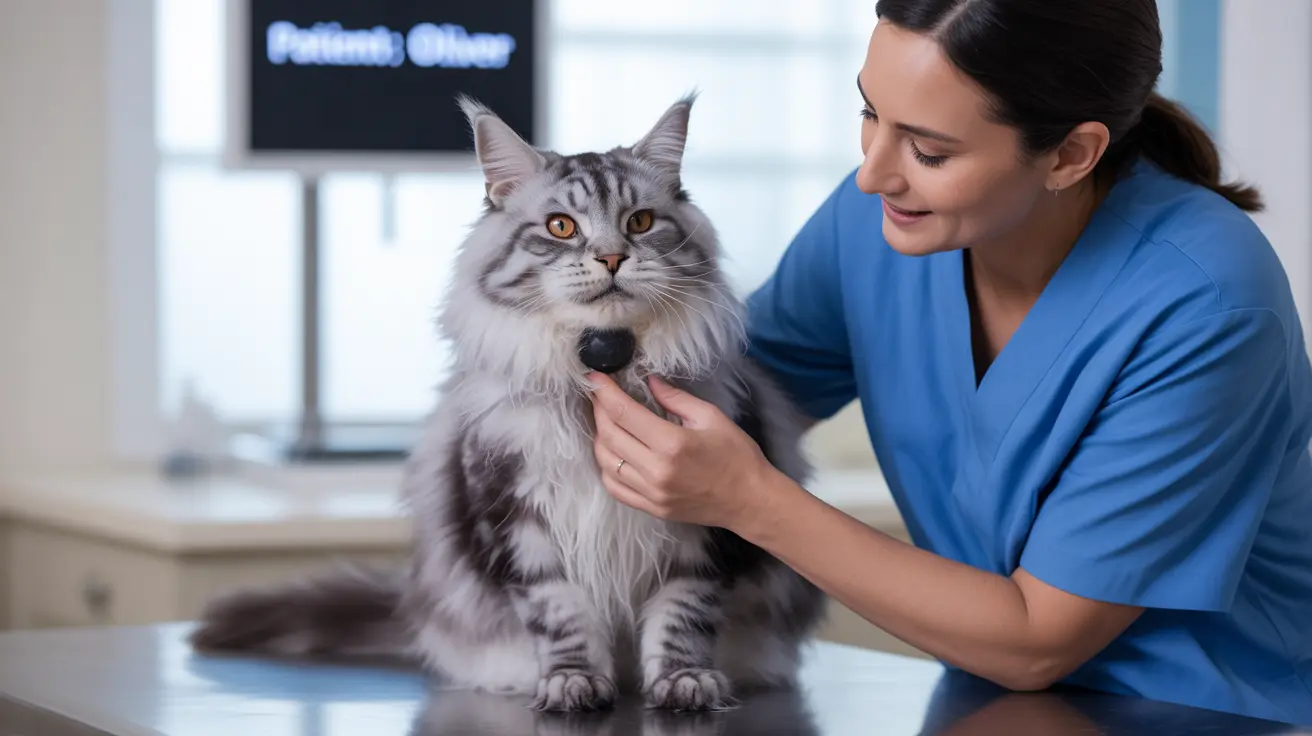
The presence of swelling, drooling, or difficulty eating often signals that the lump is more than a minor irritation. Because the jaw area contains vital structures like teeth, salivary glands, and lymph nodes, any abnormal growth warrants prompt veterinary attention.
Owners sometimes mistake these lumps for simple abscesses caused by a bite or dental infection, but not all swellings are benign. Some may indicate cysts, inflammatory conditions, or even malignant tumors. Early detection and professional evaluation are crucial for determining the underlying cause and preventing complications. Observing your cat’s behavior—such as reluctance to chew, pawing at the mouth, or sudden aggression when touched—can provide valuable clues for your veterinarian.
Understanding what might cause a lump on the jaw helps cat owners respond appropriately. The next section explores the most common medical explanations behind these concerning swellings, ranging from infections to cancerous growths.
Common Causes of Jaw Lumps in Cats
Several conditions can lead to the formation of a hard lump on a cat’s jaw. Some are relatively minor and treatable, while others may require extensive medical care. Dental abscesses are among the most frequent culprits. When bacteria invade the root of a tooth, pus accumulates, creating a firm swelling that can extend into the jawline. Similarly, trauma from fights or falls can cause hematomas or scar tissue that feel like hard nodules. These issues often present with pain, drooling, or a foul odor from the mouth.
Another potential cause is an enlarged lymph node, which may swell in response to infection or inflammation elsewhere in the body. Salivary gland disorders, such as mucoceles or blocked ducts, can also produce firm lumps under the jaw. In older cats, veterinarians often consider the possibility of oral tumors. Squamous cell carcinoma, fibrosarcoma, and osteosarcoma are among the most common cancers affecting the jaw and mouth area. These tumors can grow aggressively, invading nearby bone and tissue.
Because the symptoms of these conditions overlap, it’s nearly impossible to determine the cause without diagnostic testing. A veterinarian will evaluate the lump’s size, consistency, and location, along with your cat’s medical history, to narrow down the possibilities. The next section outlines how professionals diagnose these lumps and what tests you can expect during a veterinary visit.
How Veterinarians Diagnose Jaw Lumps
Diagnosis begins with a thorough physical examination. The veterinarian will palpate the lump, inspect the mouth, and check for other abnormalities such as loose teeth, ulcers, or additional swellings. They may also assess your cat’s lymph nodes and overall body condition. Because visual inspection alone cannot confirm the cause, diagnostic imaging and laboratory tests are typically required. X-rays or dental radiographs help reveal whether the lump involves bone or tooth roots, while ultrasound can identify fluid-filled cysts or salivary gland issues.
In many cases, a fine-needle aspiration or biopsy is performed. This involves collecting a small sample of cells or tissue from the lump for microscopic analysis. Cytology can distinguish between infection, inflammation, and cancerous changes. Blood tests may also be ordered to evaluate organ function and detect signs of systemic infection. If cancer is suspected, advanced imaging such as CT scans may be recommended to determine the extent of the disease and guide treatment planning.
Owners should be prepared to provide detailed information about their cat’s recent behavior, diet, and any previous dental or health problems. This context helps the veterinarian interpret test results accurately. Once a diagnosis is made, the next step is to discuss treatment options tailored to the underlying cause and the cat’s overall health status.
Treatment Options and Home Care
Treatment depends entirely on the diagnosis. For bacterial abscesses or infections, antibiotics and anti-inflammatory medications are typically prescribed. In some cases, surgical drainage or tooth extraction may be necessary to remove the source of infection. When salivary gland blockages are identified, minor surgery can restore normal drainage and relieve swelling. For benign cysts or growths, surgical removal often provides a permanent solution, though follow-up care is essential to prevent recurrence.
When cancer is diagnosed, treatment becomes more complex. Options may include surgery to remove the tumor, radiation therapy, or chemotherapy. The prognosis varies depending on the type and stage of cancer, as well as the cat’s age and overall health. Pain management and nutritional support are critical components of care, especially if eating becomes difficult. Soft or blended foods can help maintain calorie intake while minimizing discomfort.
- Administer all prescribed medications exactly as directed by your veterinarian.
- Monitor the lump daily for changes in size, color, or sensitivity.
- Keep your cat’s mouth clean and schedule regular dental checkups.
- Provide a calm environment to reduce stress during recovery.
- Report any new symptoms—such as bleeding, drooling, or weight loss—immediately.
Effective treatment not only addresses the lump itself but also improves your cat’s comfort and quality of life. The following section discusses how to prevent future issues and maintain your cat’s oral health long-term.
Prevention and Long-Term Oral Health
Preventing jaw lumps begins with consistent oral hygiene and routine veterinary care. Regular dental cleanings help remove plaque and tartar that can lead to infections and abscesses. At home, brushing your cat’s teeth with a pet-safe toothpaste or using dental wipes can significantly reduce bacterial buildup. Providing dental treats or toys designed to promote chewing also supports gum health and strengthens the jaw muscles.
Nutrition plays a vital role in maintaining oral and overall health. A balanced diet rich in essential vitamins and minerals supports immune function and tissue repair. Avoid feeding hard bones or objects that could fracture teeth or injure the mouth. Additionally, keeping your cat indoors or supervising outdoor time can minimize the risk of fights and trauma that often lead to jaw injuries.
- Schedule veterinary dental exams at least once a year.
- Watch for early signs of oral discomfort, such as drooling or pawing at the mouth.
- Provide safe chew toys to encourage natural cleaning of teeth.
- Ensure your cat receives adequate hydration to support saliva production.
By adopting these preventive measures, cat owners can reduce the likelihood of jaw-related problems and detect potential issues before they become serious. The next section summarizes key takeaways and emphasizes the importance of timely veterinary intervention.
Acting Quickly Protects Your Cat’s Health
A hard lump on your cat’s jaw should never be ignored. While some causes are minor and easily treated, others can signal serious underlying disease. Prompt veterinary evaluation is the best way to ensure an accurate diagnosis and effective treatment plan. Paying attention to subtle behavioral changes, maintaining good oral hygiene, and scheduling regular checkups all contribute to early detection and better outcomes. With attentive care and professional guidance, most cats can recover comfortably and continue to live healthy, active lives.
FAQ
What should I do if I find a lump on my cat’s jaw?
If you notice a lump, schedule a veterinary appointment as soon as possible. Avoid pressing or attempting to drain it yourself, as this can worsen infection or cause pain. The veterinarian will examine the lump, possibly perform imaging or a biopsy, and recommend appropriate treatment. Early evaluation is crucial because even small lumps can indicate serious conditions like abscesses or tumors. Keeping detailed notes about when you first noticed the lump and any changes in your cat’s eating or grooming habits can help your vet make a faster diagnosis.
Are all jaw lumps in cats cancerous?
No, not all lumps are cancerous. Many are caused by infections, dental abscesses, or benign cysts. However, some types of oral cancer, such as squamous cell carcinoma, can appear similar to less serious swellings. Because it’s impossible to distinguish between benign and malignant lumps by sight or touch alone, diagnostic testing is essential. A biopsy or cytology test provides definitive information about the nature of the lump. Early detection greatly improves treatment success, even in cases where cancer is present.
Can dental problems cause lumps on a cat’s jaw?
Yes, dental disease is one of the most common causes of jaw lumps in cats. Infected tooth roots can lead to abscess formation, which feels like a firm swelling along the jawline. These infections often cause pain, drooling, and bad breath. Left untreated, they can spread to surrounding bone or soft tissue. Regular dental cleanings and prompt treatment of oral infections help prevent such complications. If your cat suddenly refuses to eat hard food or shows signs of mouth pain, a dental exam is strongly recommended.
How do veterinarians test a lump on a cat’s jaw?
Veterinarians typically start with a physical examination, followed by imaging such as X-rays or ultrasound to assess the lump’s structure. A fine-needle aspiration or biopsy may then be performed to collect cells for microscopic analysis. This helps determine whether the lump is inflammatory, infectious, or cancerous. Blood tests can reveal systemic infection or organ involvement. In complex cases, advanced imaging like CT scans may be used to evaluate bone invasion or tumor spread. These diagnostic steps ensure that treatment is targeted and effective.
What treatments are available for jaw tumors in cats?
Treatment options depend on the tumor type and stage. Surgery is often the first step, aiming to remove as much of the tumor as possible. Radiation therapy may follow to destroy remaining cancer cells, and chemotherapy can be used for certain aggressive cancers. Pain management and nutritional support are vital throughout treatment. Some cats respond well to a combination of therapies, while others may benefit from palliative care to maintain comfort. Your veterinarian or veterinary oncologist will tailor a plan based on your cat’s specific diagnosis and overall health.
Can a cat live comfortably after jaw surgery?
Yes, many cats adapt surprisingly well after jaw surgery, even if part of the jawbone is removed. Recovery involves soft food, pain control, and close monitoring for infection. Cats often learn to eat and groom normally within a few weeks. Regular follow-up visits ensure proper healing and detect any recurrence of disease. Owners can support recovery by maintaining a calm environment and offering easily digestible meals. With attentive care, most cats regain a good quality of life after surgery.
How can I prevent lumps from forming on my cat’s jaw?
Prevention focuses on oral hygiene and regular veterinary care. Brush your cat’s teeth several times a week using a pet-safe toothpaste, and schedule professional dental cleanings annually. Provide safe chew toys to reduce plaque buildup and avoid feeding hard bones that could damage teeth. Keeping your cat indoors minimizes the risk of fights and injuries that can lead to abscesses. A balanced diet and adequate hydration also support oral health. Early detection of dental or gum problems prevents many jaw-related issues from developing.
When should I consider a second opinion?
If your cat’s lump does not improve with initial treatment, grows rapidly, or causes significant pain, seeking a second opinion is wise. Another veterinarian or a veterinary specialist, such as an oncologist or dental surgeon, may offer additional diagnostic options or treatment approaches. Complex cases, especially those involving suspected cancer, often benefit from advanced imaging or specialized surgical techniques. Trust your instincts—if something feels unresolved or unclear, further evaluation can provide peace of mind and potentially better outcomes for your cat.
Is it safe to monitor a small lump without immediate treatment?
While some small lumps may remain stable or resolve on their own, it’s risky to assume they are harmless. Even minor swellings can indicate underlying infection or early-stage cancer. A veterinarian should examine any lump that persists for more than a week or changes in size or texture. If your vet determines that monitoring is appropriate, they will likely recommend regular rechecks and measurements to track progress. Never delay professional evaluation if your cat shows pain, drooling, or difficulty eating, as these signs suggest active disease.
Can diet influence the development of jaw lumps?
Diet indirectly affects oral health, which in turn influences the likelihood of developing jaw lumps. Cats that eat balanced, nutrient-rich food tend to have stronger immune systems and healthier gums. Conversely, poor nutrition can weaken tissues and increase susceptibility to infection. Feeding a mix of wet and dry food helps maintain hydration and mechanical cleaning of teeth. Avoid sugary treats or foods not formulated for cats, as these can promote bacterial growth. A veterinarian can recommend a diet tailored to your cat’s age, dental condition, and overall health needs.




