
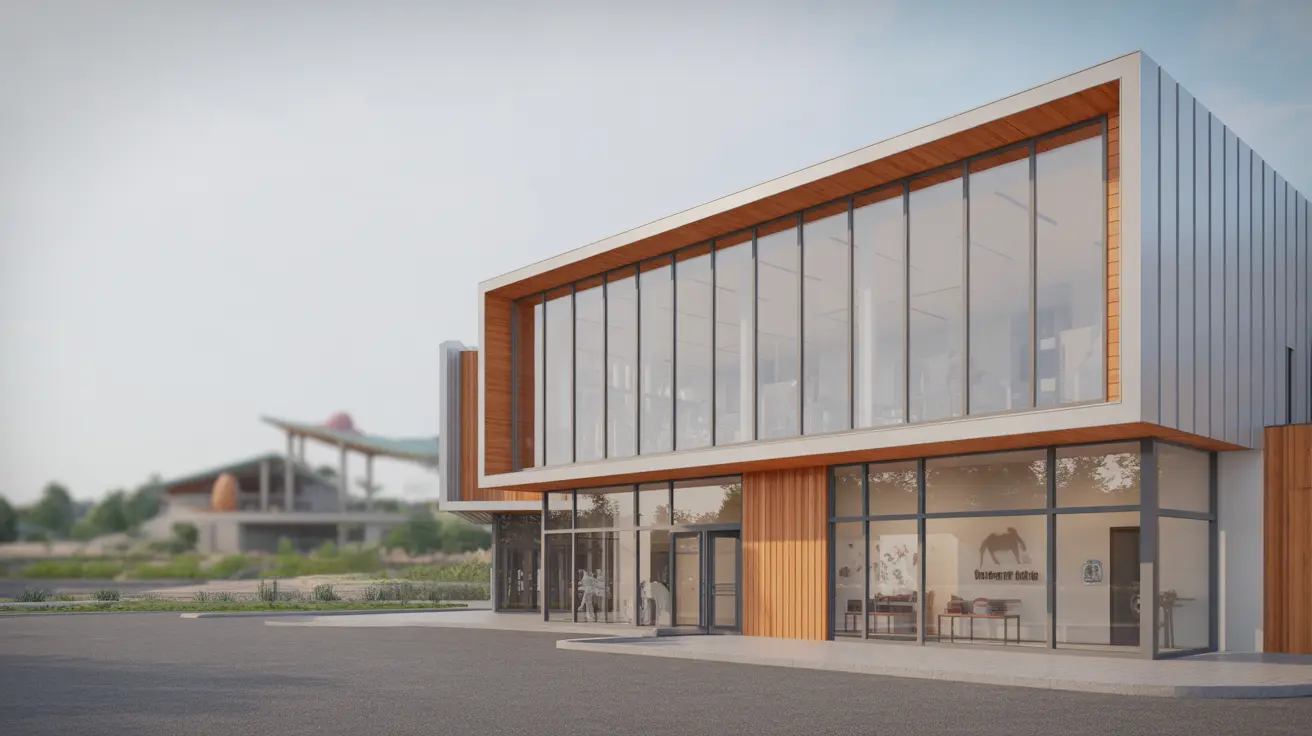
Advanced Zoo Diagnostics Transform Animal Care
The new Bill and Berniece Grewcock Animal Hospital at Henry Doorly Zoo features cutting-edge diagnostic equipment that rivals human medical facilities. Among the most notable additions is a CT scanner specifically designed for zoo animals, enabling veterinarians to perform detailed internal imaging on species ranging from small mammals to large exotic animals.
Modern veterinary diagnostics have revolutionized how we detect and treat health issues in animals. CT scanning technology allows veterinarians to identify problems that might not be visible through traditional examination methods, leading to earlier intervention and better outcomes. This same principle applies to pet care, where advanced diagnostic tools at veterinary clinics help identify health issues before they become serious problems.
Zoo Animal ICU and Emergency Response Capabilities
The hospital includes a dedicated intensive care unit designed specifically for zoo animals, providing 24/7 monitoring and treatment capabilities. This ICU setup ensures that critically ill animals receive continuous professional care, similar to what human patients would receive in a hospital setting.
Emergency response in veterinary medicine requires specialized equipment and trained personnel ready to handle any situation. The new facility at Henry Doorly Zoo demonstrates how proper emergency preparedness can make the difference between life and death for animal patients. Pet owners can learn from this approach by ensuring their local veterinary clinics have emergency protocols and after-hours care options.
Species-Specific Treatment and Preventative Care Programs
One of the most innovative aspects of the new animal hospital is its focus on species-specific treatment protocols. Different animal species have unique physiological needs and respond differently to medical treatments. The facility's design allows veterinarians to customize care approaches based on each species' specific requirements.
Preventative care forms the foundation of excellent animal health management. The new hospital emphasizes routine health screenings, vaccinations, and wellness checks that help prevent diseases before they develop. This proactive approach mirrors best practices in pet care, where regular veterinary visits and preventative treatments help maintain optimal health throughout an animal's life.
Henry Doorly Zoo Endoscopy and Advanced Surgical Capabilities
The hospital features advanced endoscopy equipment that allows veterinarians to perform minimally invasive procedures and internal examinations. This technology reduces the need for more invasive surgical procedures while providing detailed views of internal organs and systems.
Endoscopic procedures have become increasingly common in veterinary medicine because they offer several advantages over traditional surgery. These procedures typically result in faster recovery times, reduced pain, and lower risk of complications. Many veterinary practices now offer endoscopic services, making these advanced treatments available for companion animals as well.
Conservation Medicine and Research Opportunities
Beyond providing medical care for zoo animals, the Bill and Berniece Grewcock Animal Hospital serves as a research facility for conservation medicine. This field focuses on understanding the health challenges facing wild animal populations and developing solutions to protect endangered species.
The research conducted at facilities like this new hospital contributes to our broader understanding of animal health and disease prevention. These findings often benefit not only zoo and wild animals but also companion pets, as many medical advances transfer between different animal populations.
Frequently Asked Questions
What is the new Bill and Berniece Grewcock Animal Hospital at Henry Doorly Zoo?
The Bill and Berniece Grewcock Animal Hospital is Henry Doorly Zoo's new state-of-the-art veterinary facility that provides advanced medical care for zoo animals. It features cutting-edge diagnostic equipment, an intensive care unit, and specialized treatment areas designed to meet the unique needs of various animal species.
What advanced technology does Henry Doorly Zoo's new animal hospital feature?
The new animal hospital includes a CT scanner for detailed diagnostic imaging, endoscopy equipment for minimally invasive procedures, and a fully equipped ICU for critical care. These technologies enable veterinarians to provide comprehensive medical care comparable to human healthcare facilities.
How does the new animal hospital at Omaha's Henry Doorly Zoo improve animal care?
The hospital improves animal care by offering species-specific treatment protocols, advanced diagnostic capabilities, emergency response services, and preventative care programs. This comprehensive approach ensures that each animal receives medical attention tailored to its specific physiological needs and health requirements.
Conclusion
The opening of the Bill and Berniece Grewcock Animal Hospital at Henry Doorly Zoo represents a significant milestone in zoo veterinary care. This facility demonstrates how modern technology and specialized expertise can dramatically improve health outcomes for animals in captivity while contributing to conservation efforts for wild populations.
For pet owners, this development highlights the importance of supporting veterinary facilities that invest in advanced equipment and specialized training. As the field of veterinary medicine continues to evolve, facilities like this new animal hospital pave the way for better care standards that ultimately benefit all animals, from exotic zoo residents to beloved family pets.




