
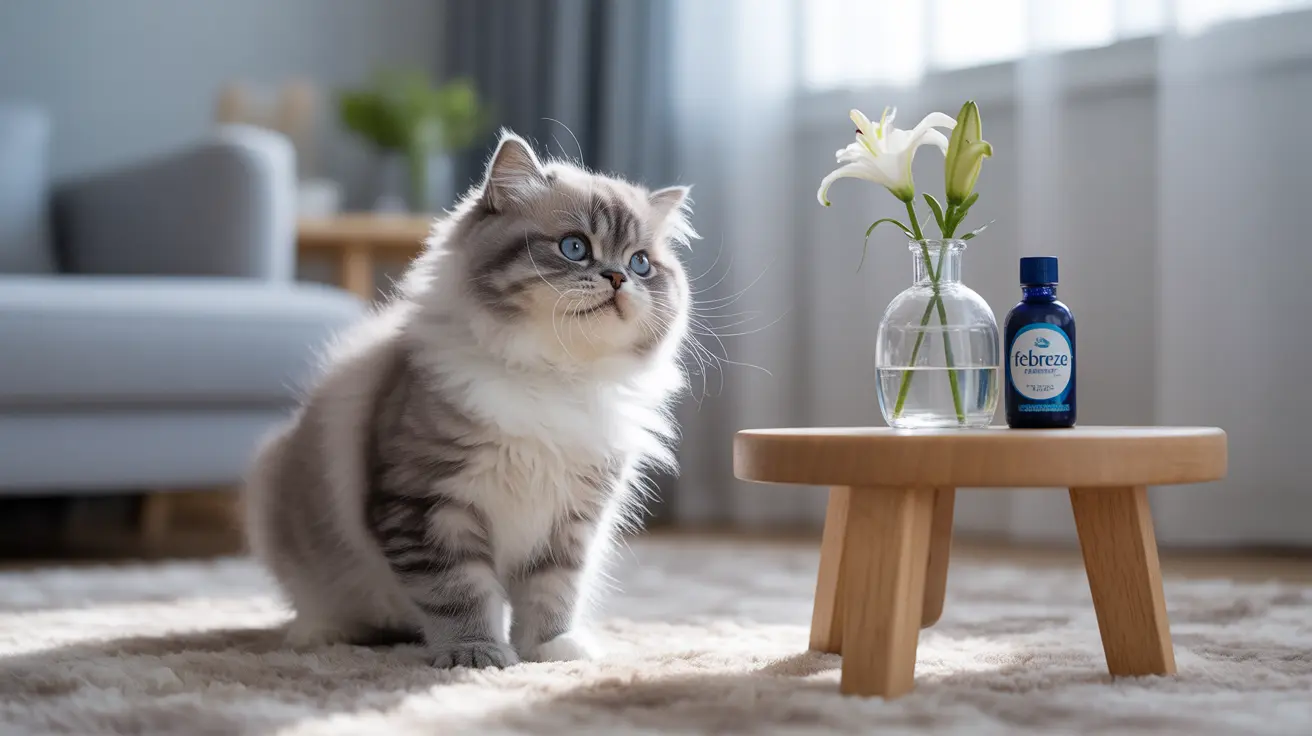
Understanding the relationship between household cleaning products and pet safety is essential for responsible pet ownership. Cats have unique biological traits that make them more vulnerable to certain substances, and what seems harmless to humans can sometimes cause serious health issues for them. By learning how Febreze interacts with your cat’s environment, you can make informed decisions that protect your pet’s well-being while keeping your home fresh.
How Febreze Works and What’s in It
Febreze is designed to eliminate odors rather than simply mask them. Its main active ingredient, cyclodextrin, traps odor molecules and neutralizes them, leaving fabrics and air smelling clean. The product also contains water, alcohol, fragrance compounds, and small amounts of preservatives. While these ingredients are generally considered safe for human use, cats process chemicals differently due to their limited ability to metabolize certain compounds in their liver. This difference means that even trace amounts of some substances can accumulate in their system and potentially cause harm over time.
According to safety data provided by the manufacturer, Febreze is non-toxic when used as directed. However, the product is not specifically formulated for use around animals, and the fragrances or solvents it contains may irritate sensitive pets. Cats, in particular, have a highly developed sense of smell, and strong scents can cause respiratory discomfort or allergic reactions. Even if Febreze doesn’t cause immediate harm, repeated exposure to airborne chemicals could contribute to long-term health issues such as asthma or chronic coughing.
It’s also worth noting that Febreze comes in several forms—sprays, plug-in diffusers, and fabric refreshers. Each type disperses chemicals differently, which can influence how much your cat is exposed to. Sprays may settle on surfaces your cat touches or licks, while plug-ins continuously release fragrance into the air. Understanding these differences helps you assess which products pose greater risks in your household.
Potential Health Risks for Cats
Cats are particularly susceptible to toxins because of their grooming habits and unique metabolism. When a cat walks across a freshly sprayed surface and later licks its paws, it can ingest small amounts of chemicals. Over time, this can lead to symptoms such as drooling, vomiting, lethargy, or respiratory distress. In severe cases, prolonged exposure to certain volatile organic compounds (VOCs) found in air fresheners may contribute to liver or kidney strain. While Febreze is not classified as poisonous, its ingredients can still irritate a cat’s skin, eyes, or lungs if used excessively or improperly.
Veterinarians often caution that even “pet-safe” cleaning products can cause problems if used without proper ventilation. Cats have smaller airways than humans, and inhaling strong fragrances can trigger sneezing, coughing, or watery eyes. Some cats may also develop behavioral changes, such as avoiding areas where Febreze has been sprayed. These reactions are signs that the product is affecting their comfort and possibly their health. If your cat shows any unusual symptoms after exposure, it’s best to contact a veterinarian immediately.
To minimize risk, always allow sprayed surfaces to dry completely before letting your cat near them. Avoid spraying directly on bedding, toys, or scratching posts. Even though Febreze is marketed as safe for fabrics, it’s not intended for direct contact with animals. Taking these precautions can significantly reduce the likelihood of accidental ingestion or irritation.
Safe Ways to Use Febreze Around Cats
If you choose to use Febreze in a home with cats, moderation and proper application are key. Always spray in well-ventilated areas and keep your cat out of the room until the mist has settled and surfaces are dry. Never apply Febreze directly to your cat’s bedding, litter box, or any object they frequently lick or chew. Instead, focus on areas that your cat rarely touches, such as curtains or upholstered furniture that can air out easily. This approach helps maintain freshness without exposing your pet to unnecessary chemicals.
It’s also helpful to understand that odor control doesn’t always require chemical sprays. Regular cleaning, vacuuming, and washing fabrics can eliminate many sources of odor naturally. Using an air purifier with a HEPA filter can also reduce airborne particles and pet dander, improving air quality for both you and your cat. If you must use Febreze, choose unscented or lightly scented versions, as strong fragrances are more likely to irritate sensitive pets.
- Spray only in rooms where your cat does not spend much time.
- Allow at least 30 minutes for the product to dry before reintroducing your cat.
- Keep windows open to improve ventilation after spraying.
- Store all cleaning products out of reach of pets.
- Monitor your cat for any signs of discomfort or allergic reaction.
By following these guidelines, you can reduce potential hazards while still enjoying a clean-smelling home. The goal is to balance freshness with safety, ensuring that your cat’s health remains the top priority.
Natural and Pet-Safe Alternatives
For cat owners who prefer to avoid chemical-based air fresheners altogether, there are many natural alternatives that can keep your home smelling pleasant. Baking soda is one of the most effective odor neutralizers and can be sprinkled on carpets or placed in open containers around the house. Activated charcoal and white vinegar are also excellent at absorbing unwanted smells without releasing harmful fumes. These options are inexpensive, easy to use, and completely safe for pets when handled properly.
Essential oils are sometimes promoted as natural air fresheners, but caution is necessary. Many essential oils, including tea tree, eucalyptus, and citrus, are toxic to cats even in small amounts. If you use essential oils, ensure they are well-diluted and diffused in a large, ventilated space where your cat can leave if the scent becomes overwhelming. Alternatively, you can simmer herbs like rosemary or mint in water to create a mild, natural fragrance that won’t harm your pet.
Another effective strategy is to address the root cause of odors rather than masking them. Regularly cleaning litter boxes, washing pet bedding, and maintaining good ventilation can dramatically improve indoor air quality. Investing in an air purifier designed for pet households can also help remove lingering smells and allergens. These methods not only protect your cat’s health but also create a fresher, more comfortable living environment for everyone in the home.
Balancing Cleanliness and Cat Safety
Keeping your home fresh doesn’t have to come at the expense of your cat’s health. While Febreze is generally considered safe when used correctly, it’s not completely risk-free. Cats’ heightened sensitivity to chemicals means that even small exposures can cause discomfort or illness if precautions aren’t taken. By understanding how Febreze works, using it responsibly, and exploring natural alternatives, you can maintain a clean home without endangering your feline companion.
Ultimately, the best approach is one of moderation and awareness. Always read product labels, follow safety instructions, and observe your cat’s behavior after using any scented product. If you notice signs of irritation or distress, discontinue use and consult your veterinarian. A little extra care goes a long way toward ensuring that your home remains both pleasant and safe for your beloved pet.
FAQ
Is Febreze toxic to cats?
Febreze is not classified as toxic when used as directed, but it can still cause irritation or mild reactions in sensitive cats. The product’s ingredients, such as fragrances and solvents, may affect cats differently due to their unique metabolism. If your cat inhales too much or comes into contact with freshly sprayed surfaces, it might experience coughing, sneezing, or skin irritation. Always allow sprayed areas to dry completely before letting your cat near them, and avoid using Febreze directly on bedding or toys. If symptoms persist, consult a veterinarian for guidance.
Can I spray Febreze on my cat’s bed?
No, you should never spray Febreze directly on your cat’s bed or any surface your cat frequently touches. Even though the product is marketed as safe for fabrics, it’s not intended for direct contact with animals. Residue left on bedding can transfer to your cat’s fur and be ingested during grooming. Instead, wash your cat’s bedding regularly with mild, unscented detergent and allow it to air dry. This approach keeps the bed clean and odor-free without exposing your cat to unnecessary chemicals.
What should I do if my cat licked Febreze?
If your cat accidentally licks a surface recently sprayed with Febreze, monitor it closely for signs of distress such as drooling, vomiting, or lethargy. Offer fresh water and remove access to the contaminated area. In most cases, small exposures cause only mild irritation, but it’s best to contact your veterinarian for advice. They may recommend bringing your cat in for an examination, especially if symptoms persist or worsen. Quick action helps prevent potential complications and ensures your cat’s safety.
Are plug-in air fresheners safe for cats?
Plug-in air fresheners continuously release fragrance into the air, which can be problematic for cats with respiratory sensitivities. Prolonged exposure to volatile organic compounds (VOCs) may cause coughing, sneezing, or watery eyes. If you use plug-ins, place them in rooms your cat rarely visits and ensure good ventilation. Unplug them if you notice your cat avoiding the area or showing signs of discomfort. For a safer alternative, consider using an air purifier or natural odor absorbers like baking soda or activated charcoal.
Can Febreze cause long-term health problems in cats?
While occasional exposure to Febreze is unlikely to cause serious harm, repeated or heavy use may contribute to chronic respiratory irritation or allergic reactions. Cats exposed to strong fragrances over time can develop sensitivities that make them more prone to coughing or wheezing. To minimize risk, limit your cat’s exposure and use unscented or low-fragrance cleaning products whenever possible. Maintaining good ventilation and regular cleaning routines can also help reduce the need for chemical air fresheners altogether.
What are the signs my cat is reacting to Febreze?
Common signs of sensitivity include sneezing, coughing, watery eyes, drooling, or sudden avoidance of certain areas. Some cats may also show behavioral changes, such as hiding or refusing to eat. If these symptoms appear shortly after using Febreze, discontinue use immediately and ventilate your home. Persistent symptoms warrant a veterinary visit to rule out other causes and ensure your cat receives appropriate care. Early detection and response can prevent minor irritation from becoming a more serious health issue.
Are there Febreze products labeled as pet-safe?
Febreze offers some products marketed as “pet odor eliminators,” but these are still designed primarily for human environments. They may contain fewer harsh chemicals, yet they are not completely free of fragrances or solvents that could irritate cats. Always read the label carefully and use such products sparingly. Even pet-labeled sprays should never be applied directly to animals or their belongings. When in doubt, opt for natural odor control methods that pose no risk to your cat’s health.
What natural alternatives can I use instead of Febreze?
Several natural options can keep your home smelling fresh without endangering your cat. Baking soda absorbs odors effectively and can be placed in open containers around the house. White vinegar neutralizes smells when used for cleaning, and activated charcoal helps purify the air. You can also simmer herbs like rosemary or mint for a gentle, natural fragrance. These methods are safe, affordable, and environmentally friendly, making them excellent alternatives to chemical-based air fresheners.
How can I keep my home smelling fresh with cats?
Maintaining a clean environment is the best way to control odors naturally. Scoop litter boxes daily, wash pet bedding weekly, and vacuum frequently to remove dander and hair. Use an air purifier with a HEPA filter to capture airborne particles and improve air quality. Regularly opening windows for ventilation also helps reduce stale odors. By focusing on cleanliness and airflow rather than masking scents, you can enjoy a fresh-smelling home that’s safe and comfortable for your cat.
Should I consult a vet before using air fresheners?
Consulting your veterinarian is always a good idea if you’re unsure about a product’s safety. Vets can provide guidance based on your cat’s age, health status, and any existing respiratory conditions. They may recommend specific cleaning products or air purifiers that are safer for pets. If your cat has a history of allergies or asthma, professional advice becomes even more important. Taking this precaution ensures that your cleaning habits support your cat’s long-term health and comfort.




