
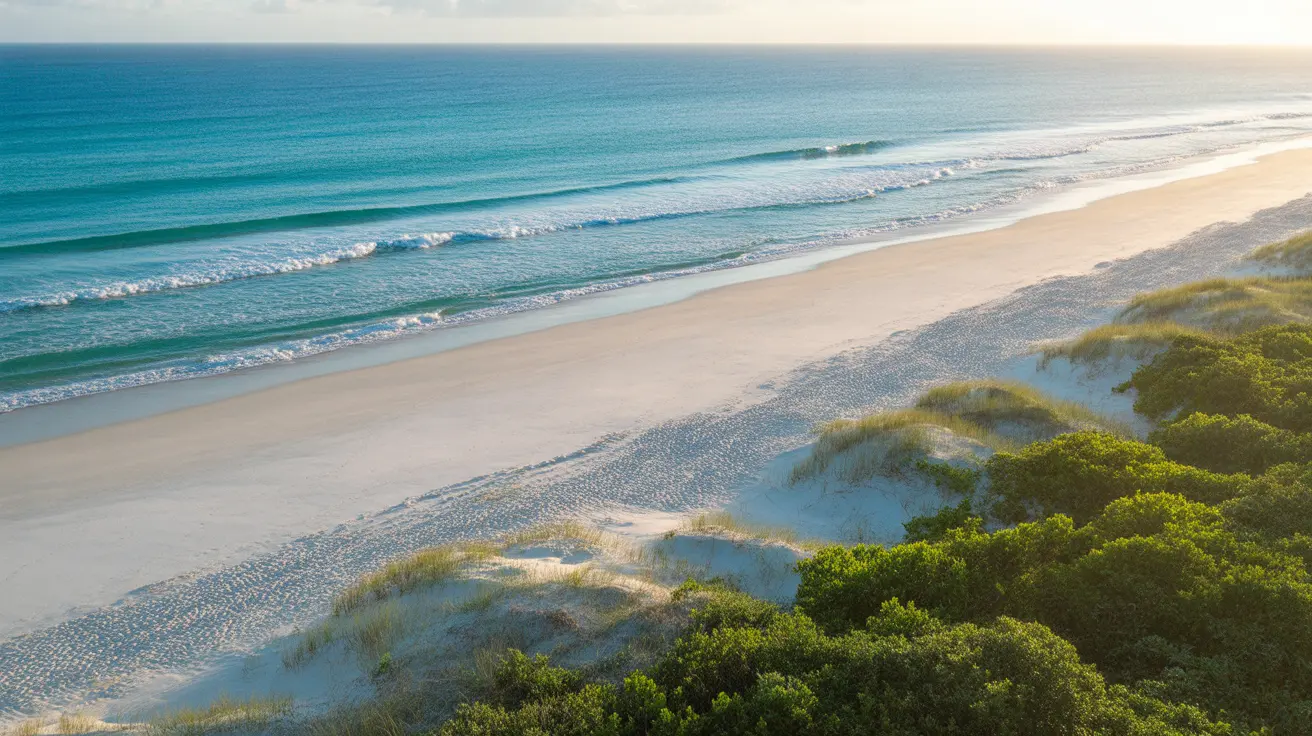
A groundbreaking conservation initiative on Kangaroo Island has demonstrated remarkable success in protecting native wildlife through innovative feral cat management. The implementation of specialized predator-proof fencing has created safe havens for endangered species, allowing wildlife populations to recover in areas previously devastated by invasive predators and the catastrophic 2020 wildfires.
The project represents a critical milestone in Australian wildlife conservation, particularly for pet owners and animal lovers who understand the delicate balance between domestic animal management and native species protection. Since the fence construction, several endangered species have shown promising population recoveries, offering hope for long-term conservation success.
Kangaroo Island Feral Cats: A Major Conservation Challenge
Kangaroo Island faces significant challenges from feral cat populations that threaten native wildlife. These invasive predators pose particular risks to small mammals, birds, and reptiles that evolved without natural defenses against such efficient hunters. The island's unique ecosystem, already stressed by environmental pressures, requires innovative solutions to protect its endemic species.
Pet owners can play a crucial role in preventing similar conservation crises by ensuring their cats are spayed, neutered, and kept indoors or in secure outdoor enclosures. Responsible pet ownership helps prevent the establishment of feral populations that can devastate local wildlife.
Kangaroo Island Dunnart Recovery: Technology Meets Conservation
The recovery of the Kangaroo Island dunnart, a small endangered marsupial, exemplifies the fence's conservation success. Advanced monitoring technologies, including AI cameras and thermal drones, have enhanced cat control efforts by providing precise detection and removal capabilities. These cutting-edge tools allow conservationists to track feral cat movements and implement targeted removal strategies.
The dunnart population has shown encouraging signs of recovery within protected areas, demonstrating how effective predator control can restore ecological balance. This success story provides valuable insights for similar conservation efforts worldwide.
Feral Cat Eradication Australia: Innovation in Wildlife Protection
Australia's approach to feral cat eradication has evolved significantly, with Kangaroo Island serving as a testing ground for innovative control methods. The combination of physical barriers, advanced technology, and community involvement has created a comprehensive management strategy that other regions can adapt to their specific needs.
The Western River Refuge and Dudley Peninsula cat program represent coordinated efforts to establish cat-free zones where native species can thrive. These programs demonstrate the importance of large-scale, systematic approaches to invasive species management.
Endangered Marsupials Kangaroo Island: Recovery Success Stories
Beyond the dunnart, several other native species have benefited from the predator-proof fence initiative. The Bassian thrush and western whipbird have shown dramatic population increases within protected areas, highlighting the fence's effectiveness in creating safe breeding environments.
These recovery stories underscore the critical importance of predator control in wildlife conservation. When invasive cats are removed from sensitive ecosystems, native species often demonstrate remarkable resilience and rapid population growth.
Cat Exclusion Fence Wildlife: Community and Conservation Partnership
The success of Kangaroo Island's cat exclusion fence relies heavily on community involvement and ongoing maintenance. Local residents, conservation groups, and government agencies work together to monitor fence integrity, report potential breaches, and support removal efforts when feral cats are detected.
Pet owners visiting or living in sensitive wildlife areas can contribute to conservation efforts by keeping their cats securely contained and reporting stray or feral cats to local authorities. Simple actions like these help maintain the effectiveness of conservation initiatives.
Frequently Asked Questions
How has the predator-proof fence on Kangaroo Island helped endangered species like the dunnart recover after the 2020 wildfires?
The predator-proof fence has created safe zones where endangered species can recover without the constant threat of feral cat predation. Since its construction, wildlife populations have shown promising signs of recovery, with species like the Kangaroo Island dunnart demonstrating improved survival rates within protected areas.
What technology is used in the Kangaroo Island feral cat eradication program to detect and remove invasive cats?
The program employs advanced monitoring technologies including AI cameras and thermal drones to detect and track feral cats. These tools provide precise detection capabilities that enable targeted removal strategies while minimizing impact on native wildlife.
What native species have shown dramatic population increases inside Kangaroo Island's cat-exclusion fences?
Several native species have demonstrated remarkable recovery within the protected areas, including the endangered Kangaroo Island dunnart, Bassian thrush, and western whipbird. These population increases highlight the effectiveness of predator-proof fencing in wildlife conservation.
Conclusion
Kangaroo Island's innovative approach to feral cat management demonstrates how technology, community involvement, and strategic conservation planning can achieve remarkable wildlife recovery results. The success of the predator-proof fence initiative offers hope for similar conservation challenges worldwide.
For pet owners, this conservation success story emphasizes the importance of responsible cat ownership in protecting native wildlife. By keeping cats contained and supporting local conservation efforts, pet lovers can contribute to the preservation of unique ecosystems and endangered species for future generations.




