
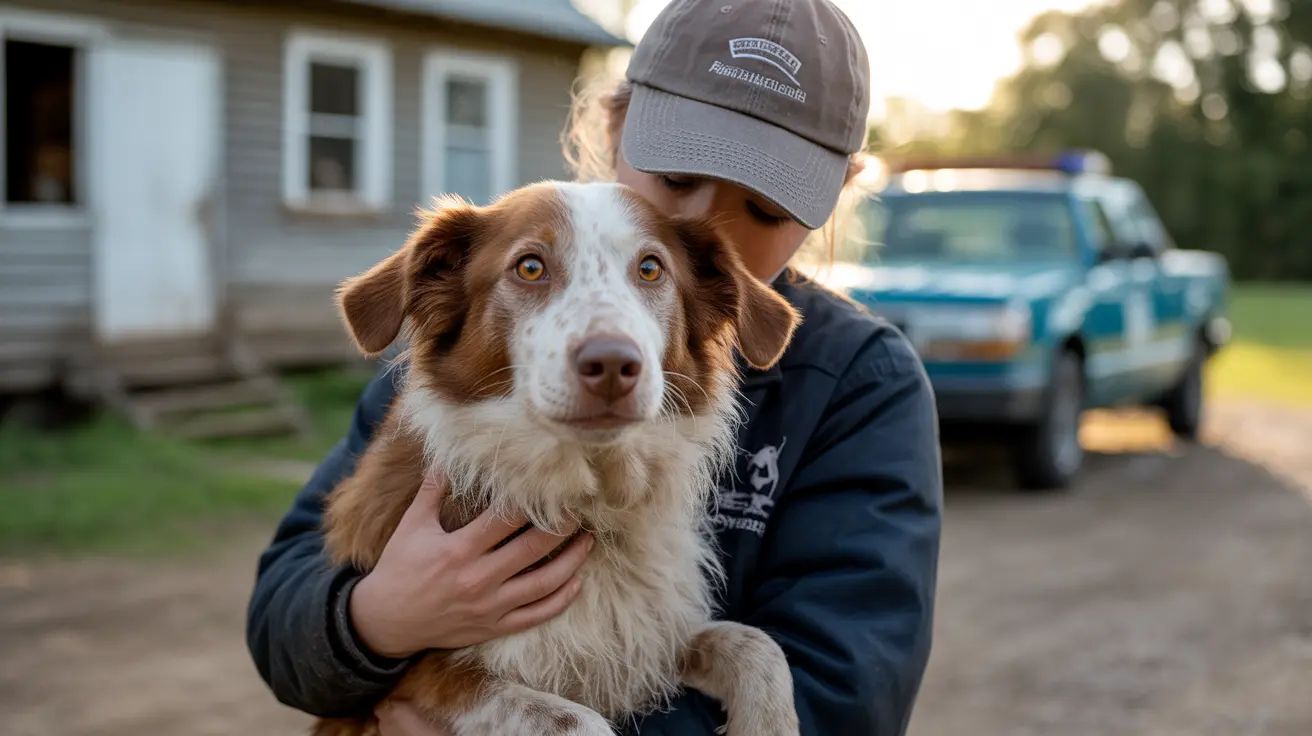
A routine drug investigation in Kershaw County, South Carolina took a disturbing turn when authorities discovered dozens of dead and malnourished animals on the property. This Kershaw County animal cruelty case highlights the troubling connection between drug crimes and severe animal neglect, bringing attention to an often-overlooked aspect of substance abuse investigations.
The discovery has shocked the local community and underscores the importance of recognizing the warning signs of animal abuse, particularly in cases where drug activity may be present. For pet owners and animal advocates, this case serves as a stark reminder of the vulnerability of animals in dangerous environments.
The Discovery During the Drug Bust Animal Neglect Investigation
Law enforcement officials conducting a search warrant for suspected drug activity uncovered a scene of widespread animal suffering on the Kershaw County property. The conditions found during this South Carolina animal abuse case revealed the extent to which animals can become victims when illegal drug operations take precedence over basic care responsibilities.
The investigation that began as a drug enforcement action quickly expanded to include animal welfare concerns when officers encountered numerous deceased animals alongside others showing signs of severe malnutrition and neglect. This type of discovery is unfortunately not uncommon in drug-related investigations, as substance abuse often leads to the deterioration of pet care standards.
Understanding the Link Between Drugs and Pet Abuse
The connection between drug crimes animal hoarding and neglect cases has been documented across the United States. When individuals become consumed with drug production, distribution, or addiction, the basic needs of dependent animals are frequently ignored or forgotten entirely.
Several factors contribute to this dangerous combination:
- Financial resources are diverted from pet care to drug-related expenses
- Impaired judgment affects decision-making about animal welfare
- Unstable living situations put animals at risk
- Legal concerns may prevent seeking veterinary care
Rural Animal Neglect Drugs: A Growing Concern
Rural areas like Kershaw County face unique challenges when it comes to identifying and addressing animal cruelty cases linked to drug activity. The isolation of rural properties can make it difficult for neighbors or authorities to detect signs of animal suffering until conditions become severe.
Pet owners in rural communities should be aware of their responsibilities and seek help early if they're struggling to provide adequate care for their animals. Local animal shelters and humane organizations often provide resources for those facing temporary hardships.
Legal Consequences and Animal Cruelty Charges
In South Carolina, animal cruelty felony charges carry serious legal consequences. The property owner in this case faces multiple charges related to both the drug investigation and the condition of the animals found on the premises.
Animal cruelty charges SC prosecutors pursue can include:
- Felony animal cruelty for severe neglect or abuse
- Multiple counts for each affected animal
- Additional penalties when connected to other criminal activity
The Role of Kershaw County Humane Society and Animal Rescue
Local animal welfare organizations play a crucial role in responding to large-scale neglect cases. The Kershaw County sheriff animal seizure operation likely involved coordination with humane society volunteers and veterinary professionals to assess and care for surviving animals.
These organizations provide essential services including emergency veterinary care, rehabilitation, and eventual rehoming of rescued animals. They also work to educate the community about proper animal care and the importance of reporting suspected abuse.
Recognizing Warning Signs and Taking Action
Community members can help prevent tragedies like this by learning to identify signs of animal neglect and knowing how to report animal cruelty Kershaw County authorities. Warning signs include animals that appear malnourished, lack access to shelter or water, or show signs of injury without veterinary care.
If you suspect animal abuse, contact local law enforcement or animal control immediately. Early intervention can prevent situations from escalating to the tragic conditions discovered in this case.
Frequently Asked Questions
What happened in the Kershaw County animal cruelty case linked to a drug bust?
During a drug investigation in Kershaw County, South Carolina, authorities discovered dozens of dead and malnourished animals on the property. The case highlights how drug-related criminal activity often coincides with severe animal neglect.
How are drug crimes like meth possession connected to animal neglect in rural South Carolina?
Drug crimes frequently lead to animal neglect because resources, attention, and care are diverted away from pet responsibilities. Substance abuse impairs judgment and financial stability, making proper animal care nearly impossible.
What charges does the property owner face for the dead and malnourished animals in Kershaw County?
The property owner faces animal cruelty charges in addition to drug-related offenses. In South Carolina, animal cruelty can be charged as a felony, particularly in cases involving multiple animals or severe neglect resulting in death.
How can South Carolina residents report suspected animal cruelty tied to drug activity?
Residents should contact local law enforcement, animal control, or the sheriff's department immediately if they suspect animal abuse. Many counties also have anonymous tip lines for reporting both drug activity and animal cruelty concerns.
Moving Forward: Protecting Vulnerable Animals
This tragic case in Kershaw County serves as a powerful reminder that animal welfare and public safety are interconnected issues. By staying vigilant and reporting suspicious activity, community members can help protect both animals and neighborhoods from the devastating effects of drug-related crimes.
The collaboration between law enforcement, animal welfare organizations, and concerned citizens remains essential in preventing future cases of severe animal neglect and ensuring that those responsible face appropriate legal consequences for their actions.




