
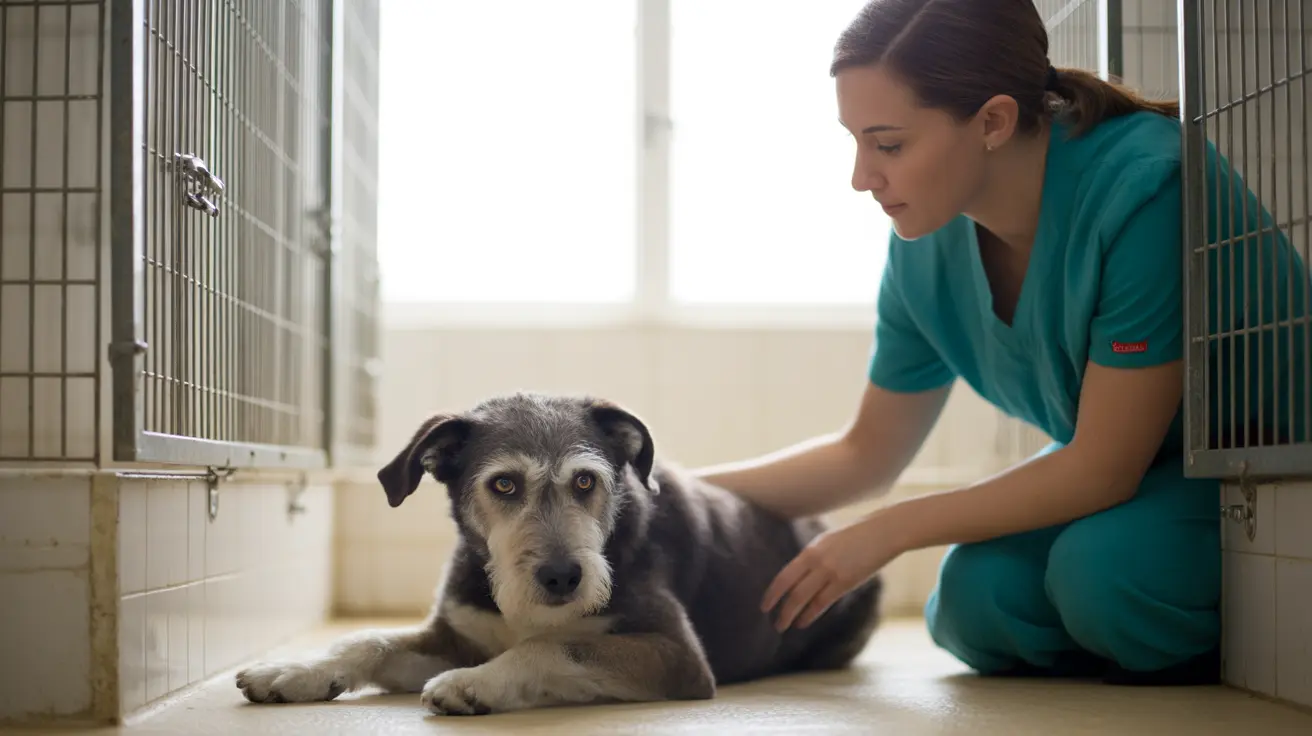
A significant 2025 animal cruelty sentencing has concluded in Levy County, Florida, following an investigation into a dog breeding operation that resulted in multiple animal seizures. The case highlights ongoing concerns about puppy mill neglect and unlicensed dog breeding practices throughout the state.
Authorities conducted the investigation after discovering evidence of animal neglect at the breeding facility. The operation resulted in the seizure of multiple dogs who required immediate care and rehabilitation. This case underscores the critical importance of proper oversight in dog breeding operations and the enforcement of Florida's animal welfare laws.
Understanding Florida Animal Welfare Laws
Florida Statute 828.13 provides the legal framework for addressing animal neglect cases like the recent Levy County dog breeding case. Under these regulations, breeding operations must maintain adequate standards of care for all animals in their custody. The law covers essential requirements including proper nutrition, clean water, appropriate shelter, and necessary veterinary care.
Animal neglect penalties in Florida can include fines, probation, and restrictions on future animal ownership. The severity of penalties often depends on the number of animals affected, the extent of neglect documented, and whether this represents a first offense or repeat violation.
Signs of Puppy Mill Dogs and Neglect
Pet parents considering purchasing a puppy should be aware of red flags that may indicate puppy mill operations. Dogs from neglectful breeding environments often exhibit specific behavioral and physical characteristics that result from inadequate care and socialization.
Common signs include fearful or anxious behavior around humans, poor socialization skills with other dogs, and various health issues stemming from inadequate veterinary care. Physical indicators may include poor coat condition, dental problems, and signs of parasites or untreated medical conditions.
Identifying Responsible Breeders
Legitimate breeding operations welcome potential buyers to visit their facilities and meet parent dogs. Responsible breeders provide health clearances, vaccination records, and detailed information about the puppy's background. They also ask questions about the buyer's living situation and experience with dogs.
Seized Dogs Rehabilitation Florida Process
When authorities seize animals from neglectful breeding operations, the rehabilitation process begins immediately. Animal welfare organizations and veterinary professionals work together to assess each dog's physical and emotional needs. This comprehensive evaluation determines the appropriate treatment plan for each individual animal.
The rehabilitation process typically includes veterinary examinations, necessary medical treatments, behavioral assessments, and socialization programs. Many dogs require extensive care to overcome the effects of neglect and prepare them for eventual adoption into loving homes.
Supporting Animal Welfare Organizations
Local animal welfare groups often play crucial roles in caring for animals rescued from neglectful situations. These organizations rely on community support through donations, volunteering, and fostering programs to provide necessary care during the rehabilitation process.
Preventing Puppy Mill Health Issues
The Florida dog breeder investigation demonstrates why proper breeding standards matter for animal health and welfare. Puppy mills often prioritize profit over animal wellbeing, leading to various health and behavioral problems in the dogs they produce.
Prospective pet owners can help combat these practices by researching breeders thoroughly, visiting facilities in person, and choosing to adopt from reputable sources. Supporting legislation that strengthens breeding regulations also contributes to improved animal welfare standards.
Frequently Asked Questions
What happened in the 2025 Levy County Florida dog breeding neglect case?
Authorities investigated a dog breeding operation in Levy County that resulted in animal neglect charges and the seizure of multiple dogs. The investigation led to sentencing under Florida's animal welfare laws, highlighting issues with substandard breeding practices.
How can I spot signs of puppy mill neglect when buying a dog in Florida?
Look for behavioral signs like excessive fearfulness, poor socialization, and reluctance to interact with humans. Physical indicators include poor coat condition, dental problems, and signs of inadequate veterinary care. Legitimate breeders allow facility visits and provide complete health documentation.
What are the typical penalties for animal neglect in dog breeding operations under Florida law?
Florida Statute 828.13 provides for various penalties including fines, probation, and restrictions on future animal ownership. Penalties vary based on the severity of neglect, number of animals affected, and whether the individual has previous violations.
Why do puppy mills in Florida like those in Levy County cause health problems for dogs?
Puppy mills prioritize profit over animal welfare, often providing inadequate veterinary care, poor nutrition, and unsanitary conditions. These factors contribute to various health issues including parasites, dental problems, and behavioral difficulties that can affect dogs throughout their lives.
Moving Forward
The resolution of this Levy County case serves as a reminder of the importance of responsible pet ownership and supporting ethical breeding practices. Pet parents can make a difference by choosing reputable sources for their companions and supporting organizations that work to protect animal welfare.
By staying informed about these issues and making conscious choices, the pet-loving community can help ensure that all dogs receive the care and respect they deserve throughout their lives.




