
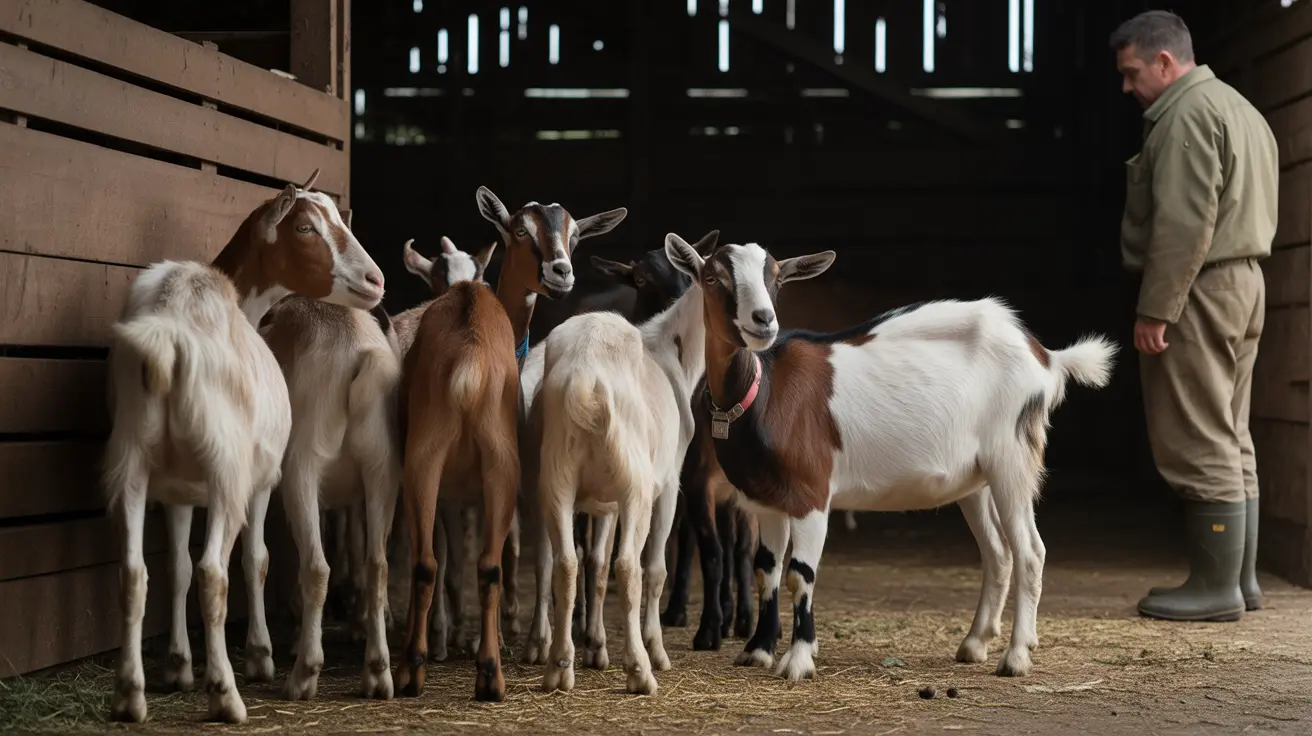
MSPCA Animal Rescue Operation Details
The animal cruelty seizure in Hadley represents a complex operation requiring extensive coordination between multiple agencies and animal welfare organizations. When authorities conduct large-scale animal rescue operations like this one, they must carefully document conditions, assess each animal's health status, and arrange appropriate temporary housing.
Such operations typically involve veterinarians, animal behaviorists, and specialized transport teams to ensure the safety of both the animals and rescue personnel. The sheer number of animals involved in this case 6 over 300 6 presents significant logistical challenges for shelters and rescue organizations throughout the region.
Understanding Animal Neglect Investigation Procedures
Animal law enforcement agencies follow strict protocols when conducting animal neglect investigations. These procedures ensure that evidence is properly collected and that animals receive immediate care when necessary. Investigators typically look for signs of inadequate shelter, insufficient food and water, lack of veterinary care, and overcrowded living conditions.
The decision to remove animals from a property is never taken lightly. Authorities must demonstrate that animals are in immediate danger or suffering from neglect before obtaining legal permission to seize them. This process protects both animal welfare and property rights.
Farm Animal Welfare and Winter Care Requirements
Massachusetts animal cruelty laws establish clear standards for animal care, particularly during harsh winter months. Farm animals require adequate shelter, consistent access to food and water, and protection from extreme weather conditions. Winter farm animal care becomes especially critical as temperatures drop and animals need additional resources to maintain their health.
Livestock neglect signs often become more apparent during winter months when animals' basic needs are more challenging to meet. Property owners must ensure that all animals have appropriate shelter structures, unfrozen water sources, and sufficient nutrition to maintain body condition during cold weather.
Animal Shelter Capacity Challenges
Large-scale seizures like the one in Hadley place enormous strain on animal shelter capacity throughout the region. Shelters must quickly mobilize resources to house, feed, and provide veterinary care for hundreds of animals while continuing to serve their regular populations.
This situation often requires cooperation between multiple rescue organizations, temporary fostering programs, and emergency housing solutions. The MSPCA and partner organizations work tirelessly to ensure that seized animals receive appropriate care while legal proceedings continue.
Preventing Animal Hoarding Cases
Animal hoarding cases often begin with good intentions but spiral out of control when caretakers become overwhelmed by the number of animals in their care. Early intervention and education can help prevent situations from reaching the crisis level seen in Hadley.
Responsible pet ownership includes knowing your limitations and seeking help when animal care becomes unmanageable. Community members play a crucial role in reporting suspected neglect before situations become severe enough to require large-scale intervention.
Frequently Asked Questions
What should I do if I suspect animal neglect or cruelty in my neighborhood?
Contact your local animal control officer, police department, or animal welfare organization immediately. Provide specific details about what you've observed, including the location, types of animals involved, and the conditions you've witnessed. Most agencies accept anonymous reports and will investigate legitimate concerns.
What are the signs of animal neglect I should watch for on farms or properties with livestock?
Key warning signs include animals without adequate shelter, lack of access to clean water, visible signs of malnourishment, overcrowded conditions, and animals showing signs of illness or injury without veterinary care. During winter, watch for animals exposed to harsh weather without proper protection.
What happens to seized animals during a cruelty investigation and court case?
Seized animals are typically placed in the custody of animal welfare organizations or shelters where they receive veterinary care and proper housing. The animals' fate depends on the outcome of legal proceedings, their health status, and their potential for rehabilitation and adoption.
Moving Forward
The Hadley animal seizure underscores the importance of community vigilance and proper animal care standards. This case will likely result in ongoing legal proceedings and significant costs for animal welfare organizations working to rehabilitate the rescued animals.
Pet owners and livestock keepers can learn from this situation by regularly assessing their own animal care practices and seeking help when needed. By understanding our responsibilities as animal caretakers and staying alert to signs of neglect in our communities, we can help prevent future tragedies of this magnitude.




