
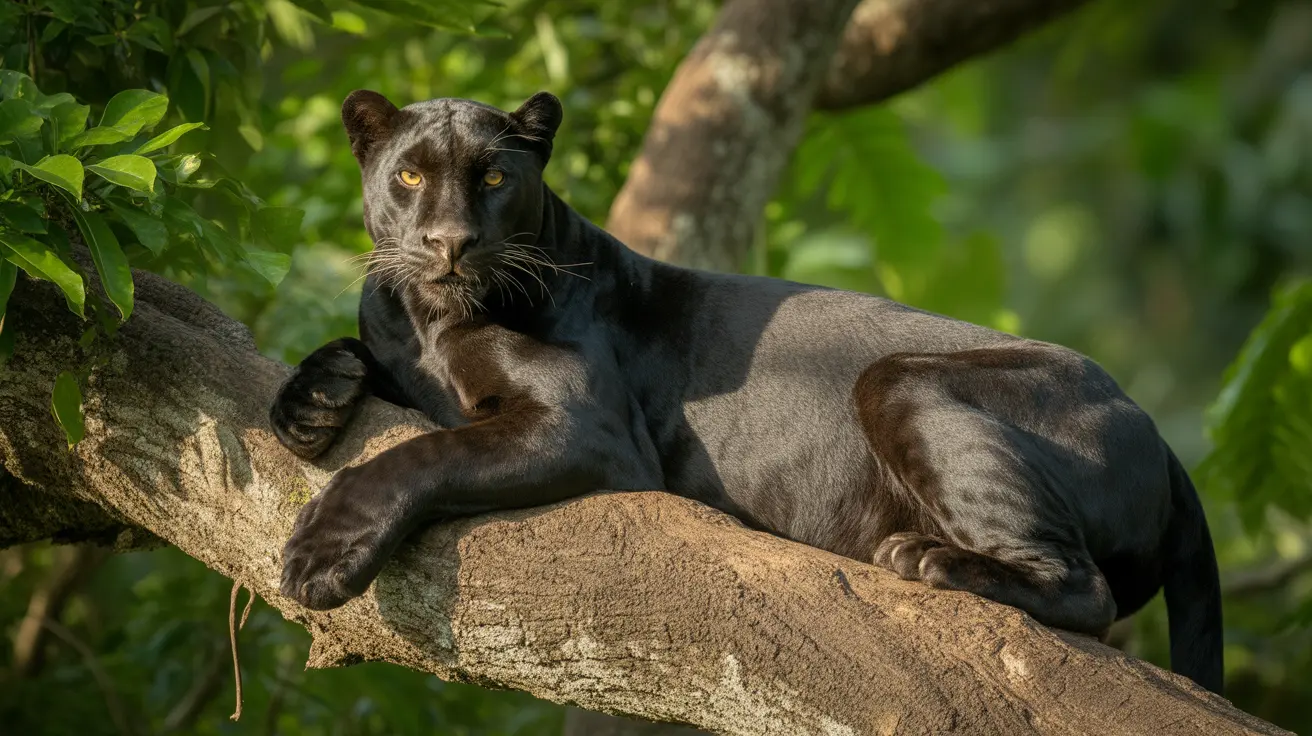
India's vast wilderness, from the misty Western Ghats to the dense sal forests of Central India, harbors some of nature's most extraordinary secrets. Among the most captivating are melanistic animals India's forests shelter—creatures whose stunning black coloration results from genetic variations that amplify dark pigments while reducing typical colors. These rare beings offer wildlife enthusiasts and pet lovers alike a glimpse into nature's incredible genetic diversity and the mysteries that still roam our planet.
For pet owners who appreciate unique animal characteristics, understanding melanism in wildlife provides fascinating insights into genetic variations that can also appear in domestic animals. These black variants represent some of the most elusive and photographically sought-after wildlife encounters in India, sparking excitement among researchers, conservationists, and nature lovers worldwide.
Understanding Melanism in Wildlife
Melanism occurs when animals produce excess melanin, the pigment responsible for dark coloration. Unlike albinism, which results in white or pale animals due to lack of pigment, melanism creates striking all-black variants of normally colored species. This genetic phenomenon affects various wildlife species across India, creating spectacular sight opportunities for those fortunate enough to encounter them.
The rarity of these melanistic animals India showcases makes each sighting precious for wildlife documentation and conservation efforts. These genetic variations don't typically affect the animal's health or behavior, but their distinctive appearance often makes them subjects of local folklore and scientific interest.
Where to See Black Panther in India
Black panther sightings India offers occur primarily in specific regions known for their melanistic leopard populations. Kabini Wildlife Sanctuary in Karnataka stands out as one of the premier black leopard hotspots Kabini region provides, where these magnificent creatures have been documented more frequently than elsewhere.
The Western Ghats region, including areas around Dandeli and Anshi National Park, also presents opportunities for black panther encounters. These locations provide dense forest cover and adequate prey base that support both regular and melanistic leopard populations.
The Famous Similipal Black Tiger
Perhaps the most famous melanistic animal in India is the Similipal black tiger found in Odisha's Similipal Tiger Reserve. These extraordinary tigers display broad black stripes that nearly cover their entire body, creating an almost completely black appearance. The Similipal population represents a unique genetic lineage where this melanistic trait appears more frequently than anywhere else in the world.
This rare tiger variant highlights the importance of protecting specific habitats that harbor unique genetic diversity, making conservation of melanistic species crucial for maintaining India's biodiversity heritage.
Conservation Challenges and Efforts
The conservation of melanistic species faces unique challenges beyond typical wildlife protection concerns. These animals often become targets for poaching due to their rarity and perceived mystical properties in local folklore. Additionally, their distinctive appearance can make them more visible to both tourists and threats.
Protection efforts focus on habitat preservation, anti-poaching measures, and community education programs that help local populations understand the scientific importance of these genetic variants. Camera trap evidence has become invaluable for documenting populations and behavior patterns without disturbing these sensitive animals.
Supporting Wildlife Conservation as Pet Owners
Pet owners can contribute to protecting India's melanistic wildlife through responsible tourism, supporting conservation organizations, and learning how to report wildlife sighting India guidelines recommend. When visiting wildlife areas, maintaining respectful distances and following park regulations helps ensure these rare animals remain wild and protected.
Understanding the genetic diversity that creates melanistic animals can also help pet owners appreciate similar variations in domestic animals, fostering greater respect for all animal life and genetic uniqueness.
Frequently Asked Questions
What is a melanistic (black) animal and how is it different from an albino or normally colored species?
Melanistic animals produce excess melanin pigment, creating black or very dark coloration, while albino animals lack pigment entirely, appearing white or pale. Unlike albinism, which often causes health issues like vision problems, melanism typically doesn't affect an animal's health or survival abilities.
Where in India am I most likely to see melanistic animals like black panthers or the black tiger?
Kabini Wildlife Sanctuary in Karnataka offers the best chances for black panther sightings, while Similipal Tiger Reserve in Odisha is the only known location for black tigers. The Western Ghats region also provides opportunities for melanistic leopard encounters.
Why are black variants so rare and rarely seen by people?
Melanistic traits result from specific genetic mutations that occur infrequently in wild populations. Combined with these animals' naturally elusive behavior and the challenges of wildlife photography in dense forests, actual sightings remain exceptionally rare events.
How can wildlife-loving pet owners responsibly report or support conservation when they spot a melanistic animal?
Report sightings to local forest departments or wildlife organizations with precise location and time details. Support conservation through responsible eco-tourism, donations to wildlife protection groups, and spreading awareness about the importance of protecting these genetic treasures without disturbing their natural behavior.
India's melanistic animals represent living jewels of genetic diversity, reminding us of nature's endless capacity for wonder and the critical importance of preserving wild habitats for future generations to discover and cherish.




