
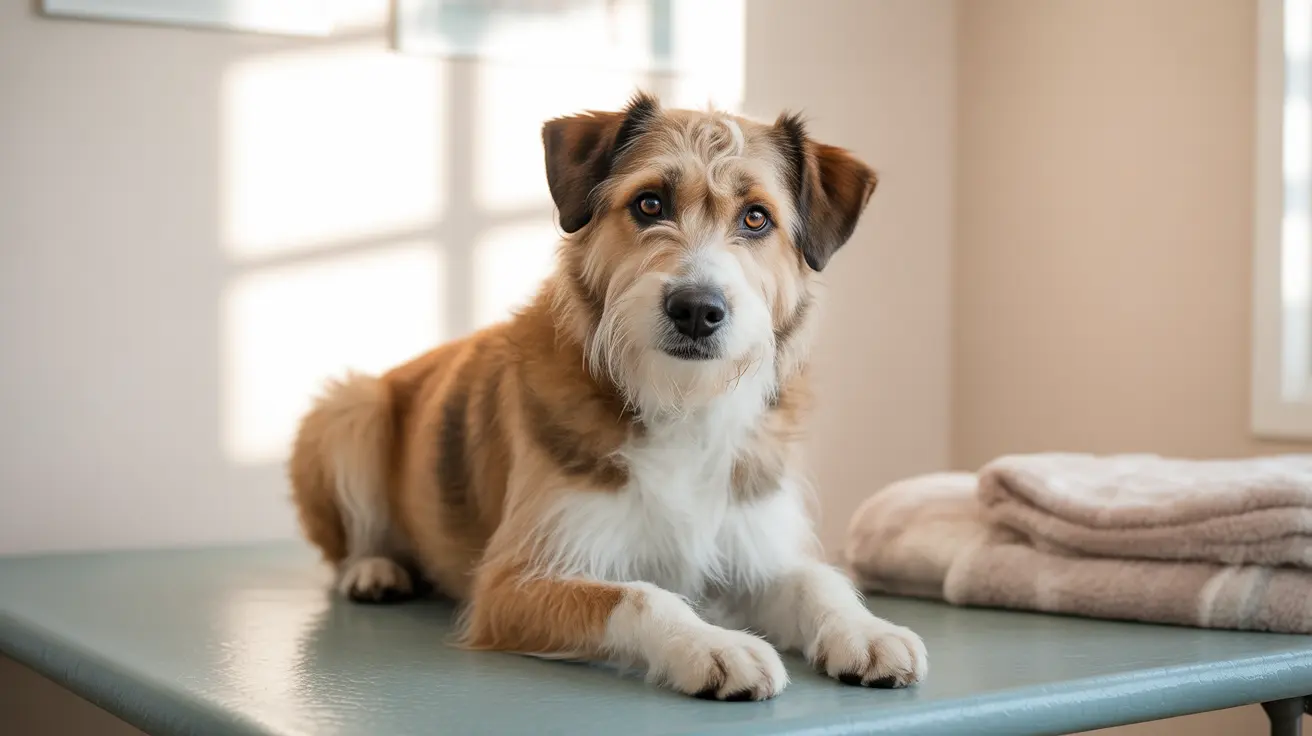
A disturbing case of animal cruelty has emerged from Macomb County, Michigan, where a 28-year-old man now faces serious criminal charges for allegedly abusing his dog. Michael Sikorski of St. Clair Shores waived his preliminary examination on charges of third degree animal torture after prosecutors alleged he physically abused his pet through violent acts including slamming, kicking, and choking.
This case highlights the serious legal consequences that await those who harm animals in Michigan, where lawmakers have strengthened penalties for animal cruelty in recent years. For pet owners across the state, understanding these laws and recognizing signs of abuse remains crucial for protecting vulnerable animals in our communities.
Understanding Michigan Animal Cruelty Laws and Penalties
Michigan's animal protection statutes, particularly MCL 750.50b, define various levels of animal cruelty and torture. Third degree animal torture represents a serious felony charge that carries significant penalties under state law. The charges against Sikorski demonstrate how Michigan prosecutors are increasingly willing to pursue the full extent of legal remedies when animals are harmed.
When cases involve deliberate violence such as the alleged kicking, choking, and slamming described in this incident, prosecutors can build strong cases under Michigan's comprehensive animal protection framework. These laws recognize that animals deserve protection from intentional harm and that such behavior often escalates if left unchecked.
The Legal Process: From Charges to Court Proceedings
The fact that Michael Sikorski waived his preliminary exam indicates the case will move forward in the court system without the need for a hearing to determine probable cause. This procedural step often occurs when defendants and their attorneys believe the evidence is sufficient to proceed to trial or when they wish to expedite plea negotiations.
Macomb County prosecutor Peter J. Lucido's office has made animal cruelty prosecution a priority, reflecting growing recognition that animal abuse cases deserve serious attention from the justice system. When building these cases, prosecutors typically rely on veterinary evidence, witness testimony, and physical evidence to demonstrate the extent of harm caused to the animal.
Rising Awareness of Animal Cruelty in Michigan Communities
Cases like the Sikorski incident represent part of a broader pattern of increased reporting and prosecution of animal abuse across Michigan. This trend reflects both greater public awareness of animal welfare issues and improved training for law enforcement officers who respond to these calls.
Pet owners and community members play a vital role in preventing animal torture by recognizing warning signs and knowing how to report suspected abuse. Early intervention can save animals from prolonged suffering and connect struggling pet owners with resources before situations escalate to criminal levels.
Protecting Pets Through Prevention and Education
While legal consequences serve as important deterrents, preventing dog abuse requires community-wide education about proper pet care and stress management. Pet owners facing financial hardship, mental health challenges, or other life stressors should seek help from local animal welfare organizations rather than taking frustrations out on their animals.
Responsible pet ownership includes understanding that dogs require patience, consistent training, and appropriate outlets for their energy. When behavioral issues arise, professional trainers and veterinarians can provide guidance that addresses problems without resorting to harmful punishment methods.
Frequently Asked Questions
What is third-degree animal torture in Michigan and what are the penalties?
Third-degree animal torture in Michigan involves knowingly torturing, mutilating, or poisoning an animal. Under MCL 750.50b, this felony charge can result in up to four years in prison, fines up to $5,000, and additional restitution costs. Convicted individuals may also face restrictions on future pet ownership.
How can I report suspected animal abuse like kicking or choking a dog in Michigan?
Suspected animal abuse should be reported immediately to local law enforcement, animal control officers, or the Michigan Humane Society. Many counties have dedicated animal cruelty investigators who can respond to these situations. When reporting, provide as much detail as possible about the location, nature of abuse, and any evidence you observed.
What evidence is needed to prosecute dog abuse cases under Michigan animal cruelty laws?
Successful prosecution typically requires veterinary documentation of injuries, witness testimony, photographs of the animal's condition, and sometimes video evidence. Law enforcement officers are trained to preserve this evidence and work with veterinarians who can provide expert testimony about the nature and severity of injuries sustained by abused animals.
Moving Forward: Community Responsibility for Animal Welfare
The charges against Michael Sikorski serve as a reminder that animal abuse carries serious legal consequences in Michigan. As this case proceeds through the court system, it reinforces the state's commitment to protecting vulnerable animals from harm.
Every pet owner and community member has a role to play in preventing animal cruelty. By staying informed about the law, recognizing warning signs of abuse, and supporting local animal welfare organizations, we can work together to ensure that pets receive the care and protection they deserve.




