
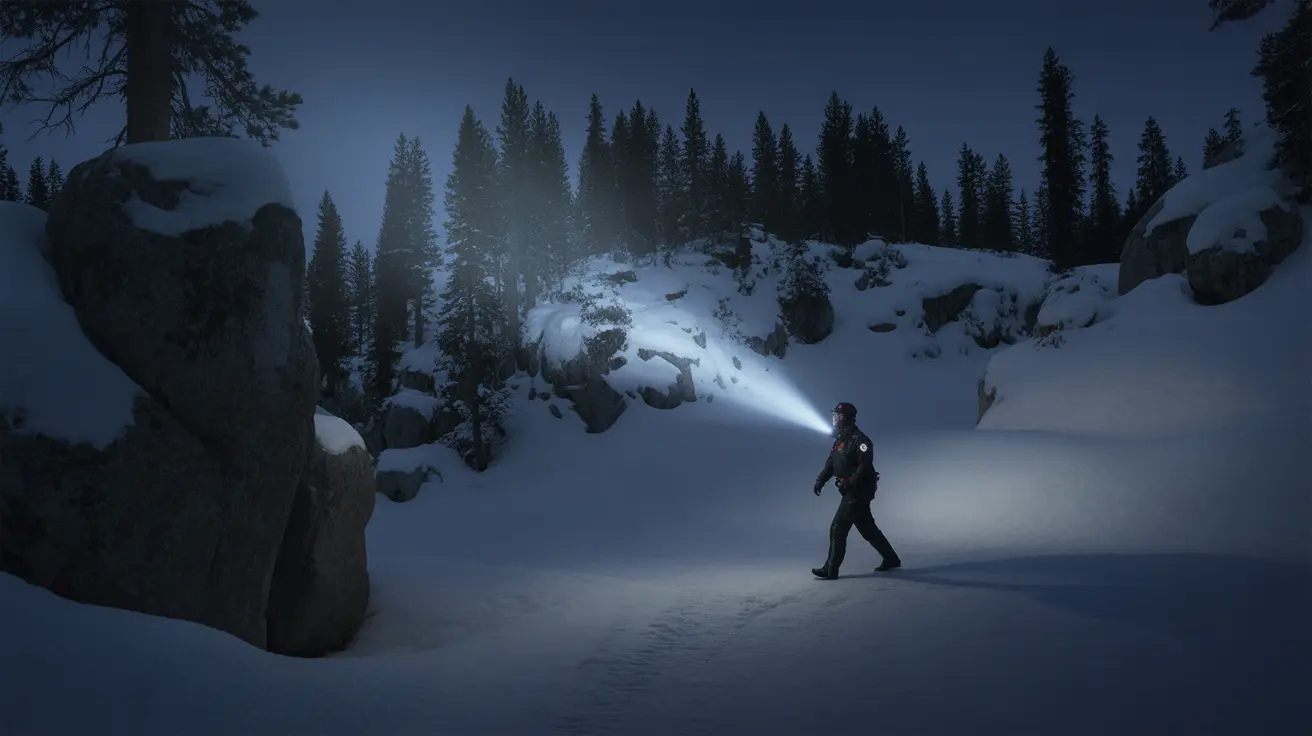
A recent animal encounter in Clear Creek County has prompted a backcountry rescue operation, highlighting the critical importance of mountain lion hiking safety and proper preparation when venturing into Colorado's wilderness areas. The incident serves as a stark reminder for outdoor enthusiasts about the potential dangers lurking in the state's beautiful but wild landscapes.
Colorado wildlife encounters are becoming increasingly common as more people explore the state's pristine backcountry areas. This latest rescue operation underscores why pet owners and hikers alike must understand wildlife behavior, carry appropriate safety gear, and know how to respond when facing potentially dangerous animals in their natural habitat.
Understanding Colorado Wildlife Encounters
The Rocky Mountain region hosts a diverse array of wildlife, including mountain lions, black bears, moose, and elk. Clear Creek County, situated in the heart of Colorado's mountainous terrain, provides habitat for many of these species. When humans and pets venture into these areas, the potential for unexpected encounters increases significantly.
Mountain lions, also known as cougars or pumas, are particularly concerning for hikers and their four-legged companions. These powerful predators are naturally curious and may follow hikers for considerable distances without being detected. Understanding their behavior patterns can mean the difference between a safe outdoor adventure and a dangerous situation requiring emergency rescue services.
Essential Backcountry Hiking Gear for Wildlife Safety
Proper preparation begins with carrying the right equipment. Bear spray effectiveness has been proven in numerous studies, showing success rates exceeding 90% when used correctly against aggressive wildlife. This non-lethal deterrent should be easily accessible on your belt or pack's front panel, not buried deep in a backpack.
Additional essential gear includes:
- Noise-making devices like bells or whistles
- Headlamps and backup lighting
- Emergency communication devices
- First aid supplies
- Weather-appropriate clothing layers
For pet owners specifically, keeping dogs on leash and under control becomes even more critical in areas known for wildlife activity. Unleashed pets can provoke defensive responses from wild animals or chase them, potentially leading to dangerous confrontations.
Rocky Mountain Rescue Operations and Response Protocols
When wildlife encounters escalate beyond what hikers can handle safely, search and rescue teams spring into action. Rocky Mountain Rescue groups train extensively for these scenarios, coordinating with Colorado Parks and Wildlife (CPW) officials to ensure both human and animal safety.
These rescue operations often involve multiple agencies working together, including local sheriff's departments, volunteer search and rescue teams, and wildlife management officers. The complexity of backcountry rescues in areas like the Arapaho National Forest requires specialized training and equipment to navigate challenging terrain while managing potential wildlife threats.
CPW Wildlife Tips for Outdoor Enthusiasts
Colorado Parks and Wildlife provides comprehensive guidelines for avoiding dangerous wildlife encounters. Their recommendations emphasize prevention through education and proper behavior modification when recreating in wild areas.
Key strategies include traveling in groups, making noise while hiking, properly storing food and scented items, and maintaining situational awareness at all times. Pet owners should pay particular attention to their animals' behavior, as dogs often detect wildlife presence before humans notice any signs.
High Altitude Hiking Risks and Prevention
Beyond wildlife concerns, high altitude hiking risks compound the challenges faced in Colorado's backcountry. Reduced oxygen levels can impair decision-making abilities, making it harder to respond appropriately during wildlife encounters. This factor makes thorough preparation and conservative decision-making even more important.
Weather conditions can change rapidly at elevation, potentially forcing hikers and their pets into situations where they're more vulnerable to wildlife encounters. Understanding these interconnected risks helps outdoor enthusiasts make informed decisions about when and where to explore.
Frequently Asked Questions
What should I do if I encounter a mountain lion while hiking in Colorado?
Maintain eye contact while backing away slowly, make yourself appear larger by raising your arms or jacket, speak in a calm but firm voice, and never run or turn your back on the animal. If attacked, fight back aggressively using any available objects as weapons.
How can hikers prevent bear encounters in Clear Creek County?
Make noise while hiking, properly store all food and scented items in bear-proof containers, hike in groups when possible, and carry bear spray in an easily accessible location. Avoid hiking during dawn and dusk when bears are most active.
What gear is essential for safety during backcountry hikes in the Rockies?
Essential safety gear includes bear spray, emergency communication devices, first aid supplies, appropriate clothing layers, headlamps with extra batteries, and noise-making devices. Pet owners should also carry extra water and food for their animals.
Staying Safe in Colorado's Wild Places
The Clear Creek County rescue serves as an important reminder that wildlife encounters can happen anywhere in Colorado's backcountry. By following established safety protocols, carrying appropriate gear, and respecting wildlife habitat, outdoor enthusiasts can significantly reduce their risk of dangerous encounters.
Remember that preparation and education are your best defenses against wildlife-related emergencies. Stay informed about current wildlife activity in your chosen recreation area, and don't hesitate to postpone or modify plans if conditions warrant extra caution.




