
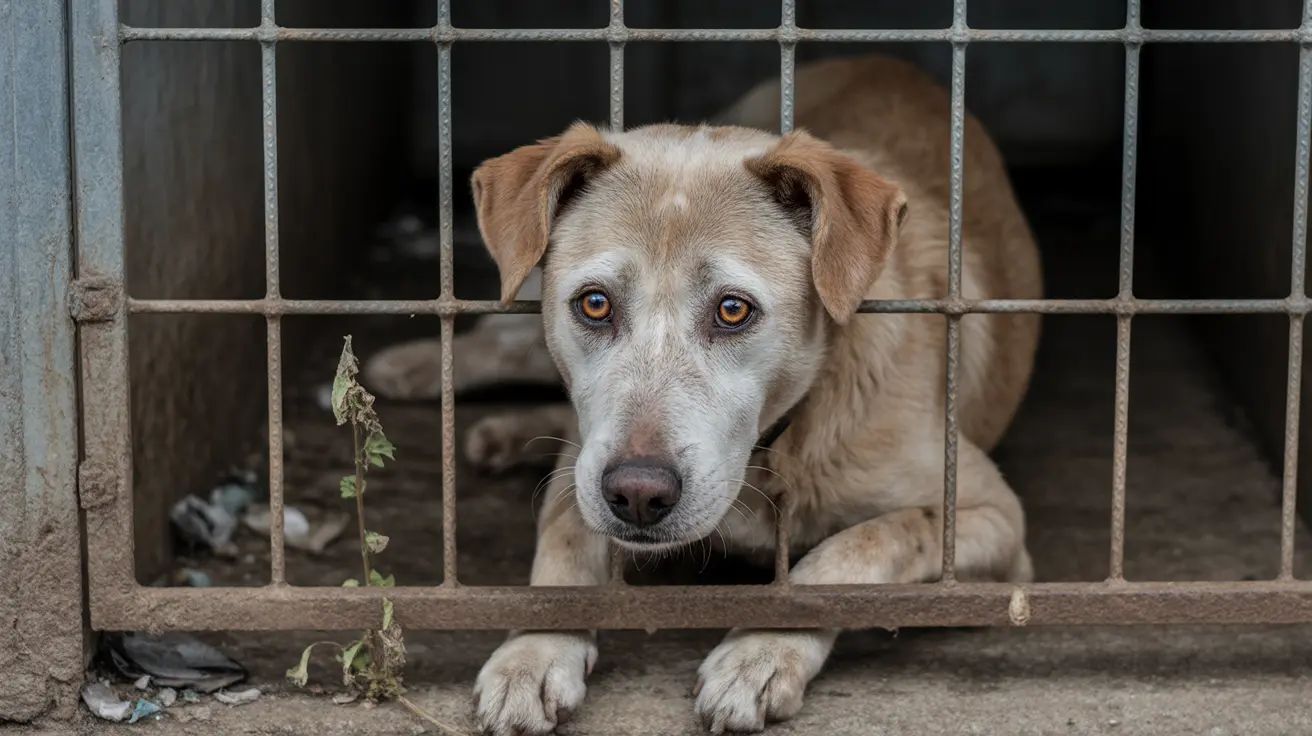
Two men were recently arrested in Nash County, North Carolina, on multiple counts of animal cruelty after sheriff's deputies discovered a dog in deplorable conditions. The Nash County Sheriff's Office investigation led to the arrest of Marcos Aguilar Autrey and Ascencion Yanez-Castro, who now face felony animal cruelty charges in connection with suspected cockfighting operations and animal neglect.
This case underscores the serious legal consequences pet owners face when they fail to meet their responsibilities under North Carolina animal cruelty laws. For pet parents across the state, understanding these laws and recognizing signs of animal abuse in their communities is crucial for protecting vulnerable animals.
North Carolina Animal Cruelty Laws and Penalties
North Carolina maintains some of the strictest animal protection statutes in the Southeast. Under state law, animal cruelty encompasses neglect, abandonment, torture, and fighting operations. The recent Nash County case illustrates how quickly misdemeanor charges can escalate to felony animal cruelty charges when multiple animals are involved or when organized fighting activities are suspected.
The FIGHT Act, which addresses animal fighting specifically, makes it illegal to possess fighting birds or participate in cockfighting operations. North Carolina cockfighting felony charges carry severe penalties including substantial fines, imprisonment, and permanent criminal records that can affect employment and housing opportunities.
Cockfighting North Carolina Illegal Operations Under Investigation
While details of the Nash County investigation remain limited, the arrests of both Marcos Aguilar Autrey and Ascencion Yanez-Castro suggest a broader operation than simple pet neglect. Cockfighting roosters seizure operations typically involve multiple suspects and extensive evidence collection, as these illegal activities often operate as underground networks.
Law enforcement agencies work closely with animal control officers to identify signs of fighting operations, including multiple roosters kept in small enclosures, specialized training equipment, and evidence of organized betting activities. Pet owners should be aware that even witnessing such activities without reporting them can potentially result in legal complications.
Nash County Sheriff's Office Animal Control Response
The Nash County Sheriff's Office animal control division responds to reports of suspected cruelty year-round. Deputies are trained to recognize various forms of abuse and neglect, from basic care failures to sophisticated fighting operations. When deputies find animals in unfavorable conditions, they must document evidence thoroughly to support potential criminal charges.
This multi-step process protects both animals and ensures due process for accused individuals. However, it also means that by the time arrests occur, animals may have suffered for extended periods.
Pet Owner Responsibilities Nash County and Statewide
Responsible pet ownership in North Carolina requires more than basic food and shelter. State law mandates adequate veterinary care, proper housing conditions, regular feeding schedules, and protection from extreme weather. Pet owners must also ensure their animals cannot be used for fighting purposes, even unintentionally.
For bird owners specifically, keeping multiple roosters requires careful attention to housing and socialization practices. What might appear to be normal animal behavior to inexperienced owners could potentially be misinterpreted as fighting preparation by law enforcement.
How to Report Animal Cruelty Nash County
Community members play a vital role in protecting animals from abuse and neglect. The animal welfare hotline NC system connects concerned citizens with appropriate authorities who can investigate suspected cruelty cases. Early intervention often prevents situations from escalating to the criminal level seen in recent arrests.
When reporting suspected animal neglect reporting NC incidents, provide specific details about animal conditions, locations, and any witnessed behavior. Avoid confronting suspected abusers directly, as this can endanger both animals and reporters while potentially compromising official investigations.
Frequently Asked Questions
How do I report suspected animal cruelty in Nash County, North Carolina?
Contact the Nash County Sheriff's Office directly or use North Carolina's statewide animal welfare hotline. Provide detailed information about the location, animals involved, and specific conditions you've observed. Local animal control officers will investigate all credible reports.
What are the animal cruelty laws in North Carolina, and what penalties do they carry?
North Carolina classifies animal cruelty as either misdemeanor or felony offenses depending on severity and circumstances. Penalties range from fines and community service for minor neglect to substantial prison sentences for aggravated cruelty or fighting operations. Repeat offenders face enhanced penalties.
Is cockfighting illegal in North Carolina, and why was it involved in the recent Nash County arrests?
Yes, cockfighting is a felony under both state law and the federal FIGHT Act. The Nash County arrests involved suspected fighting operations along with general animal neglect, which explains why multiple suspects face serious charges.
Protecting Animals Through Community Awareness
The Nash County animal cruelty case serves as a reminder that protecting animals requires community involvement and awareness of legal obligations. While the investigation continues, pet owners should review their own care practices and remain vigilant for signs of abuse in their neighborhoods.
By understanding North Carolina's animal protection laws and supporting enforcement efforts, communities can create safer environments for all animals while holding accountable those who exploit vulnerable creatures for profit or entertainment.




