
Understanding How Pets Start Fires and Common Fire Hazards
While the exact cause of the Roca fire hasn't been disclosed, it's important to recognize that pets themselves can accidentally trigger house fires. Dogs and cats are naturally curious creatures that may knock over candles, chew on electrical cords, or accidentally turn on stove burners while exploring countertops. Understanding these risks is the first step in creating a safer home environment.
Kitchen appliances pose particular dangers, especially stoves with accessible knobs that pets can bump or turn while jumping onto counters. Electrical hazards from damaged cords, space heaters left unattended, and even heat lamps in pet areas can all become ignition sources when pets are present.
How to Prevent Pets Starting Fires in Your Home
Implementing targeted prevention strategies can significantly reduce the risk of pet-related fires. Start by installing stove knob covers pets cannot easily manipulate, or consider removing knobs entirely when not in use. Pet-proof your home by securing electrical cords behind furniture or using cord protectors to prevent chewing.
Never leave candles, space heaters, or other open flames unattended when pets are present. Consider investing in pet gates to restrict access to potentially dangerous areas like kitchens during cooking times. Replace traditional heat sources with safer alternatives, such as ceramic heat emitters for reptile enclosures instead of heat lamps that could be knocked over.
Creating an Effective Pet Fire Escape Plan
Every pet-owning household needs a comprehensive fire escape plan that accounts for all family members, both human and animal. Identify at least two escape routes from each room where pets spend time, and practice evacuating with your pets regularly so they become familiar with the process.
Keep carriers and leashes in easily accessible locations near exit routes. For larger households with multiple pets, assign specific animals to different family members to ensure no pet is forgotten during an emergency evacuation.
Pet Alert Window Clings and Emergency Preparedness
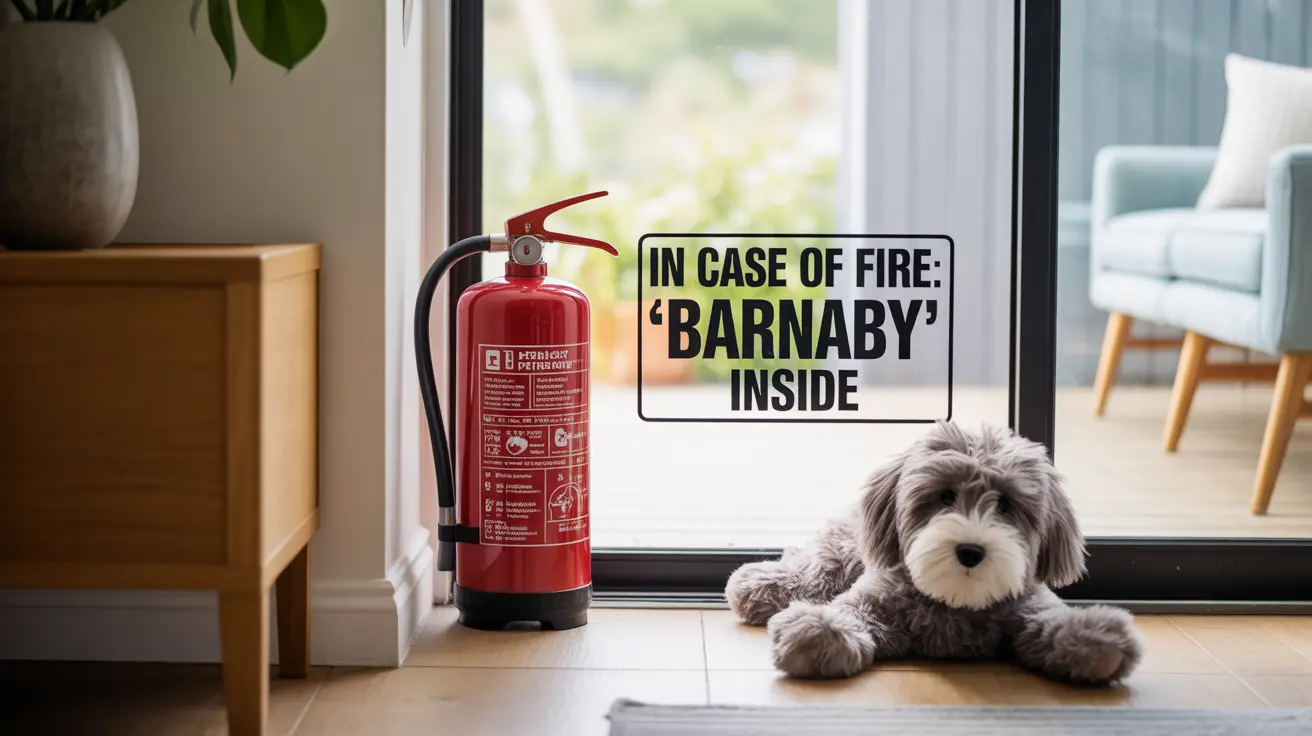
Pet alert window clings serve as crucial communication tools for first responders, informing firefighters about the number and types of animals inside your home. Place these stickers on front windows or doors where they're easily visible, and keep the information current as your pet family changes.
Install monitored smoke detectors pets cannot disable or ignore. These systems alert emergency services even when you're not home, potentially saving your pets' lives during daytime fires. Consider smart smoke detectors that send alerts to your phone, allowing you to contact neighbors or pet sitters for immediate assistance.
Protecting Rural and Winter Fire Risks
Rural properties like the one near Roca face unique challenges, including longer emergency response times and potential water supply limitations. Rural pet owners should maintain clear access roads for fire trucks and consider installing sprinkler systems or having adequate water sources available on their property.
Winter months bring additional risks from heating equipment, fireplaces, and holiday decorations. Keep pets away from wood stoves and fireplaces, and never use extension cords beyond their rated capacity when powering holiday lights or decorations.
Emergency Identification and Recovery Plans
Ensure all pets have current identification through microchips and updated tags. During the chaos of a fire, pets may bolt from the scene and become lost. Having proper identification dramatically increases the chances of reunion if your pet escapes during an emergency.
Frequently Asked Questions
How can I prevent my pets from starting a house fire accidentally?
Install stove knob covers, secure electrical cords, never leave open flames unattended around pets, use pet gates to restrict kitchen access, and replace potentially dangerous heat sources with safer alternatives.
What should I do to create a pet-friendly fire escape plan for my home?
Identify two escape routes per room, keep carriers and leashes accessible near exits, assign specific pets to family members, practice evacuations regularly, and install pet alert window clings to inform firefighters of animals inside.
Why do pets often die in house fires, and how can I protect them?
Pets often succumb to smoke inhalation, panic, or become trapped during fires. Protect them by installing monitored smoke detectors, maintaining clear escape routes, ensuring proper identification through microchips, and never leaving pets unattended near potential fire hazards.
Moving Forward After Tragedy
The loss of three animals in the Roca fire serves as a sobering reminder that fire safety planning must include our pets. By implementing comprehensive prevention strategies, maintaining escape plans, and staying vigilant about potential hazards, pet owners can significantly reduce the risk of similar tragedies in their own homes.
Take time today to evaluate your home's fire safety measures and make necessary improvements. Your pets depend on your preparation and vigilance to keep them safe from fire dangers year-round.




