
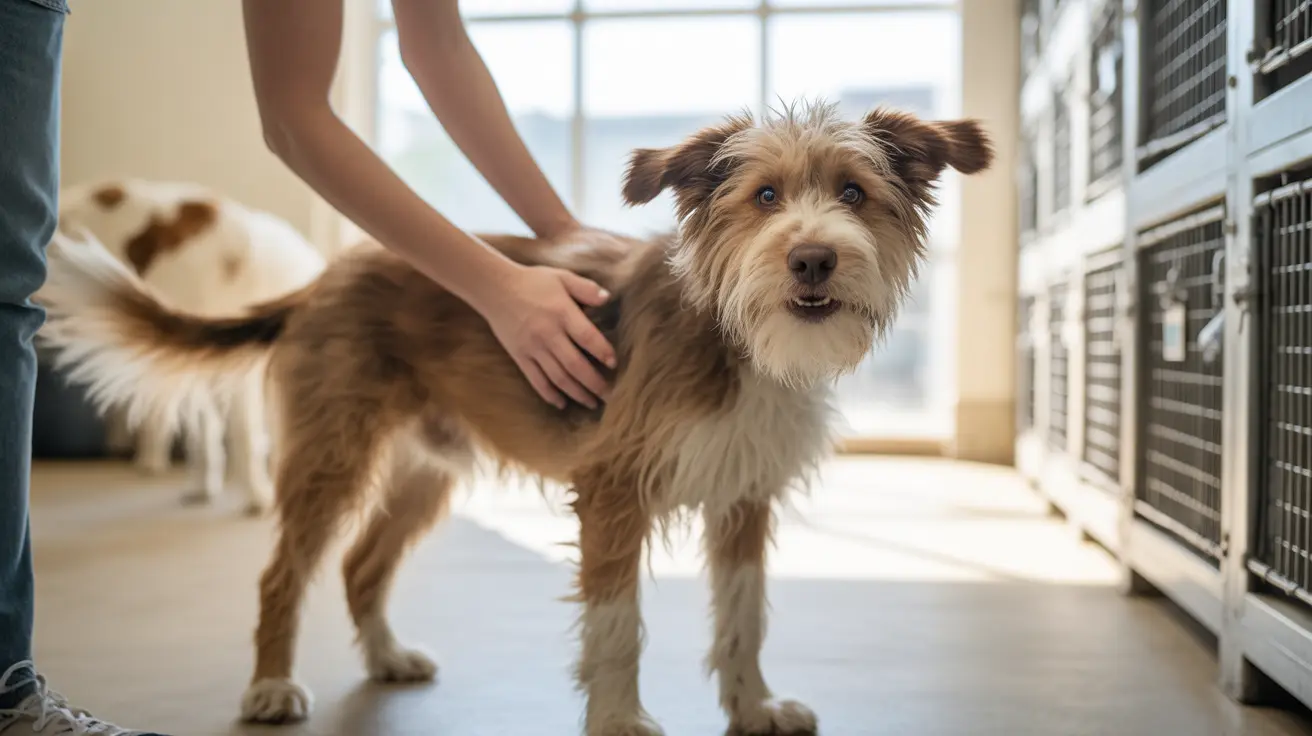
WTOL 11's "Good Day" program recently featured heartwarming stories celebrating pets and animals, showcasing the powerful connection between media coverage and community awareness of animal welfare. These uplifting segments highlight how local television programming can play a crucial role in promoting pet adoption and supporting animal rescue organizations across the community.
Feel-good pet stories have become increasingly popular on morning television shows, offering viewers a positive start to their day while simultaneously raising awareness about local animal shelters and rescue opportunities. When media outlets dedicate airtime to celebrating pets and their human companions, they create a ripple effect that often leads to increased interest in pet adoption and volunteer opportunities at nearby shelters.
The Power of Media in Promoting Animal Welfare
Television segments featuring pets and animals serve multiple purposes beyond entertainment. They educate viewers about responsible pet ownership benefits while showcasing the incredible work done by animal rescue organizations. When local news stations highlight success stories from dog rescue and cat rescue efforts, they provide valuable exposure that can directly impact adoption rates.
Research consistently shows that positive media coverage of shelter animals increases foot traffic to local animal shelters. Viewers who see happy endings and successful adoption stories are more likely to consider opening their homes to a rescue pet, creating a cycle of compassion that benefits animals in need throughout the community.
How Community Pet Events Build Stronger Bonds
Local television coverage of community pet events helps strengthen the relationship between pet owners and their neighborhoods. These stories often feature therapy animals working in hospitals, schools, and nursing homes, demonstrating the profound impact pets can have on human wellbeing. Emotional support animals and their handlers frequently become the subjects of these uplifting segments, showcasing the therapeutic value of human-animal bonds.
Pet fostering programs also benefit significantly from media attention. When television stations share stories about successful foster families, they inspire others to consider temporary care for animals awaiting permanent homes. This coverage helps animal welfare organizations reach potential volunteers who might not otherwise learn about fostering opportunities.
Understanding the Shelter Adoption Process
Media coverage of pet adoption stories often includes valuable information about the shelter adoption process, helping potential pet parents understand what to expect. These segments typically highlight the screening procedures, adoption fees, and support services offered by local rescue organizations. By demystifying the adoption process, television coverage removes barriers that might prevent people from considering shelter pets.
Rescue dogs and cats featured in these stories often become overnight celebrities, with viewers calling shelters specifically to inquire about the animals they've seen on television. This phenomenon demonstrates the direct correlation between positive media coverage and successful pet placements.
Pet Adoption Statistics Show Media Impact
Pet adoption statistics consistently reflect the influence of positive media coverage on adoption rates. Shelters report increased adoption inquiries following television features, particularly when stories focus on individual animals or highlight special adoption events. These statistics underscore the importance of continued media partnership in promoting animal welfare initiatives.
The emotional connection viewers develop with featured pets often translates into long-term support for local animal rescue organizations, whether through adoption, volunteering, or financial contributions. This sustained engagement helps shelters maintain their operations and continue their life-saving work.
Frequently Asked Questions
What are the health benefits of owning a pet dog or cat?
Pet ownership provides numerous health benefits including reduced stress levels, lower blood pressure, increased physical activity through dog walking, and improved mental health through companionship. Studies show that pet owners often experience decreased feelings of loneliness and anxiety, while the routine care required for pets can provide structure and purpose in daily life.
How can I find and adopt a pet from a local animal shelter or rescue organization?
Start by researching shelters and rescue groups in your area through online directories or local animal welfare websites. Visit facilities in person to meet available animals, complete adoption applications, and discuss your lifestyle needs with shelter staff. Most organizations require reference checks and may conduct home visits to ensure good matches between pets and families.
Why do animal rescue stories on TV and media increase pet adoptions?
Television coverage creates emotional connections between viewers and featured animals, making adoption feel more personal and meaningful. These stories also provide visibility for shelter pets who might otherwise go unnoticed, while educating the public about the adoption process and the quality of animals available in shelters versus other sources.
What is the difference between adopting from a shelter versus buying from a breeder?
Shelter adoption typically costs less and saves a life while reducing pet overpopulation. Shelter animals are usually spayed/neutered and vaccinated, with known temperaments assessed by staff. Buying from reputable breeders may offer more predictable traits and health histories but comes with higher costs and doesn't address the need for homes for existing shelter animals.
How do therapy animals help reduce stress and anxiety in hospitals and schools?
Therapy animals provide non-judgmental companionship that can lower cortisol levels and trigger the release of calming hormones like oxytocin. In medical settings, they offer distraction from pain and procedures, while in schools they can help students feel more comfortable and focused. Their presence creates positive social interactions and emotional support in challenging environments.




