
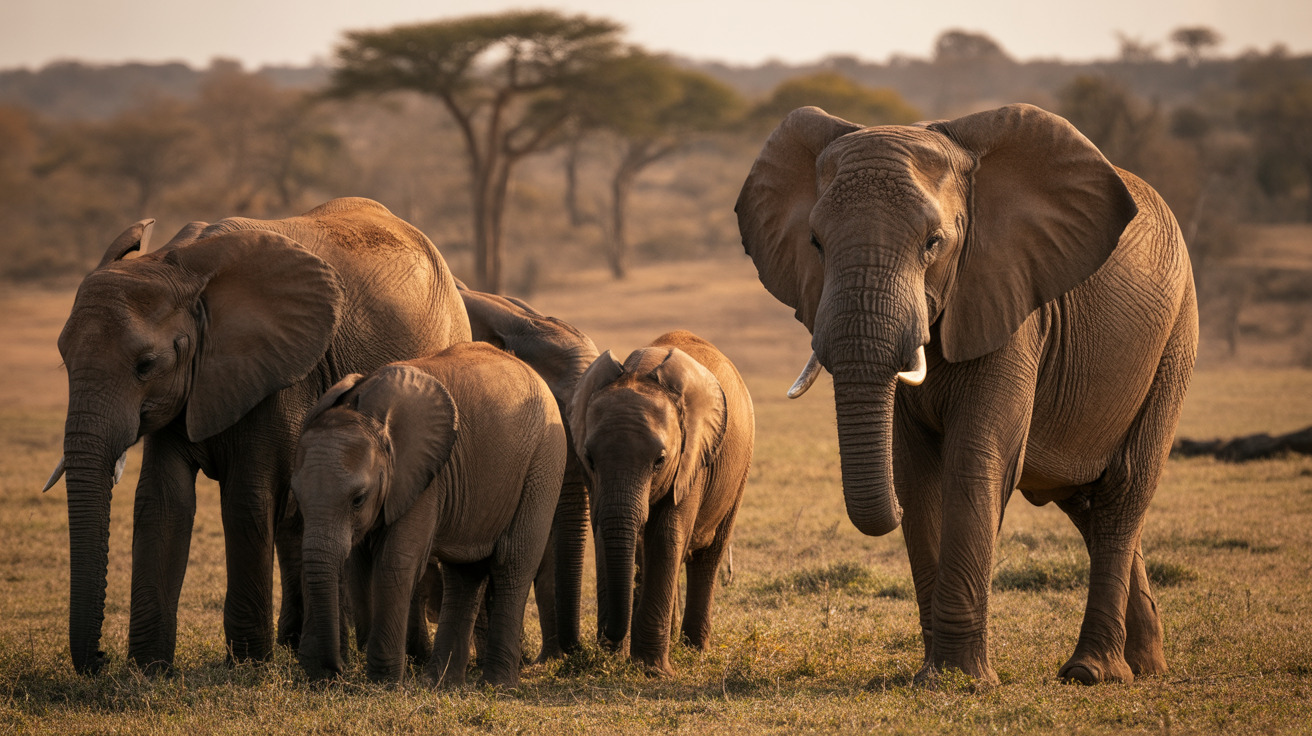
The Pittsburgh Zoo and Aquarium is confronting a significant legal battle as an animal rights organization's lawsuit regarding elephant confinement moves forward through the court system. The Nonhuman Rights Project has successfully advanced their case challenging the zoo's treatment of elephants, marking another milestone in the ongoing debate over animal welfare in captivity.
This Pittsburgh Zoo elephants lawsuit represents part of a broader movement to establish legal rights for highly intelligent animals, particularly elephants known for their complex social structures and emotional needs. The case has captured attention from animal welfare advocates nationwide as it questions fundamental practices in modern zoo management.
Background of the Nonhuman Rights Project Elephants Case
The Nonhuman Rights Project has built their legal strategy around the concept of habeas corpus elephants Pennsylvania, arguing that the current living conditions at the Pittsburgh Zoo violate the elephants' fundamental rights to freedom. This legal approach has been tested in other jurisdictions, most notably in the Happy elephant case precedent, which has influenced similar litigation across the United States.
The organization's lawsuit specifically targets what they describe as inadequate living conditions for the facility's African elephants. According to their filing, the current environment fails to meet the complex physical and psychological needs of these highly intelligent mammals.
Pittsburgh Zoo African Elephants at Center of Legal Battle
The case involves five specific elephants currently housed at the Pittsburgh Zoo, with the Nonhuman Rights Project advocating for their elephant sanctuary release to more appropriate facilities. The lawsuit particularly highlights concerns about elephant mother calf separation zoo practices and the overall impact of captivity on these social animals.
Animal welfare experts generally agree that elephants require extensive space, complex social interactions, and environmental enrichment that can be challenging to provide in traditional zoo settings. In the wild, elephant herds roam vast territories and maintain intricate family structures that span multiple generations.
Legal Proceedings and Timeline
The court's decision to advance the case sets the stage for Pittsburgh Zoo elephant hearings 2026, when more detailed arguments will be presented. This timeline allows both sides to prepare comprehensive evidence regarding animal welfare Pittsburgh Zoo practices and the broader implications of elephant rights habeas corpus applications.
The legal proceedings will likely examine whether the current facilities meet modern standards for elephant care and whether alternative arrangements, such as transfer to specialized sanctuaries, would better serve the animals' welfare needs.
Broader Implications for Zoo Industry
This NhRP Pittsburgh Zoo case reflects growing scrutiny of traditional zoo practices, with some facilities previously appearing on Pittsburgh Zoo worst zoos list compilations by animal welfare organizations. The outcome could influence how other institutions approach elephant care and potentially reshape industry standards nationwide.
Modern accredited zoos have increasingly moved toward more naturalistic habitats and have reduced or eliminated elephant breeding facility lawsuit risks by improving conditions or transferring animals to specialized sanctuaries. The trend reflects evolving understanding of elephant cognition and social needs.
Current Status and Future Developments
The Victoria Zuri elephants transfer discussions, along with arrangements for other elephants in the facility, will likely become central to the ongoing legal proceedings. The court's willingness to hear the case suggests judicial recognition that animal welfare concerns merit serious legal consideration.
Pet owners and animal lovers following this case should understand that it represents broader questions about our relationship with intelligent animals and the responsibilities that come with their care, whether in homes, zoos, or sanctuaries.
Frequently Asked Questions
What is the Pittsburgh Zoo elephant habeas corpus lawsuit about?
The lawsuit challenges the confinement conditions of elephants at the Pittsburgh Zoo, with the Nonhuman Rights Project arguing that current housing violates the animals' fundamental rights and seeking their transfer to more appropriate sanctuary facilities.
Who are the five elephants in the Nonhuman Rights Project case against Pittsburgh Zoo?
The case involves five elephants currently housed at the Pittsburgh Zoo, though specific details about individual animals and their circumstances will likely be presented during the upcoming court proceedings scheduled for 2026.
When are the upcoming court hearings for the Pittsburgh Zoo elephants' freedom?
The court hearings for this case are scheduled for 2026, providing both legal teams time to prepare comprehensive arguments regarding elephant welfare and the legal standing of animals in captivity cases.
Why does the Nonhuman Rights Project claim zoo conditions harm the elephants?
The organization argues that traditional zoo environments cannot adequately meet elephants' complex physical and psychological needs, including their requirements for extensive space, natural social structures, and environmental enrichment that mirrors their wild habitat.
What happened in the Happy the Elephant case and how does it relate to Pittsburgh Zoo?
The Happy elephant case established important legal precedent for animal rights litigation, providing a foundation for similar habeas corpus arguments being used in the Pittsburgh Zoo case to challenge animal confinement practices.
Conclusion
The advancement of this Pittsburgh Zoo elephants lawsuit signals a potential turning point in how courts address animal welfare concerns and the legal standing of highly intelligent species. As the case progresses toward its 2026 hearings, it will likely influence broader discussions about appropriate care standards for elephants in captivity.
For animal advocates and pet owners alike, this case represents the evolving understanding of animal cognition and welfare needs. Regardless of the outcome, the proceedings will contribute valuable insights to ongoing conversations about responsible animal care and the ethical obligations of facilities housing intelligent species.




