
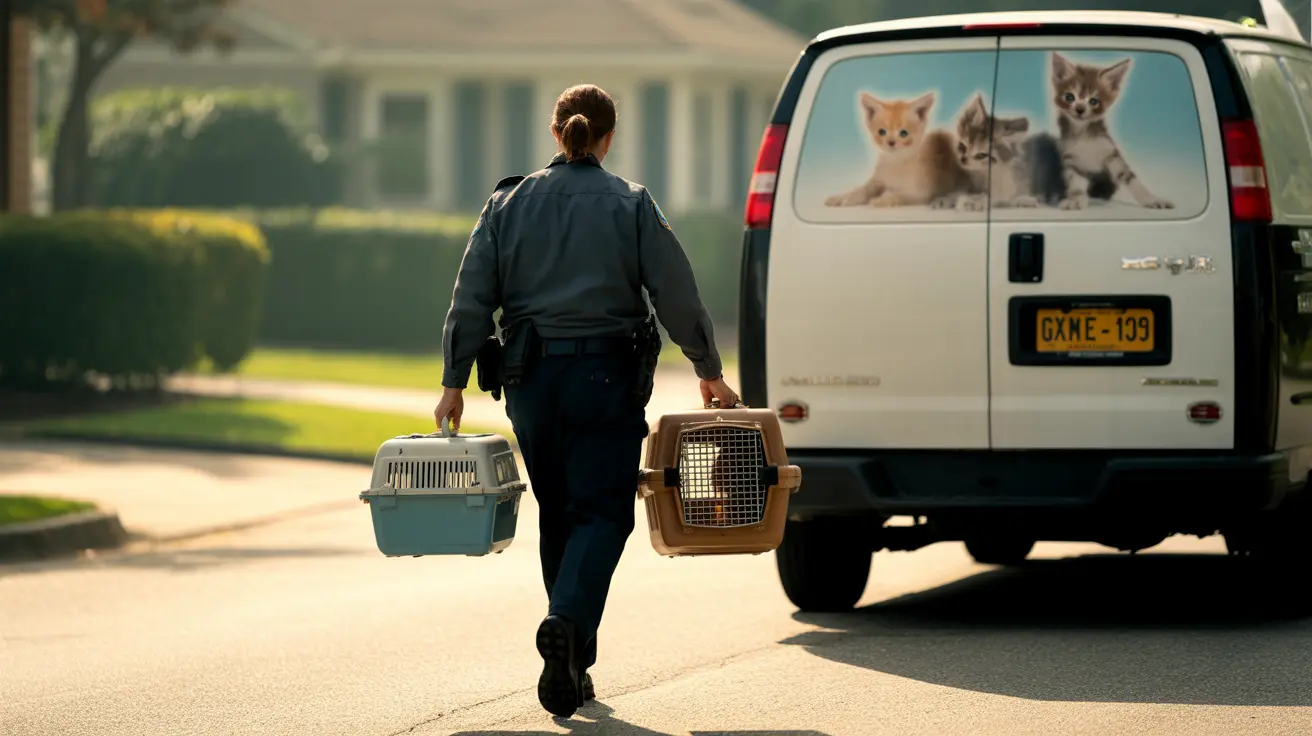
A significant Pomona pet rescue operation unfolded this week when more than 30 cats and 2 dogs were safely removed from a single home after their overwhelmed owner voluntarily reached out for assistance. The case highlights both the challenges of pet hoarding and the positive outcomes possible when owners recognize they need help.
Humane and Animal Control officers responded to the call in Pomona, discovering dozens of animals in need of immediate care and intervention. The pet hoarding Pomona incident represents one of the larger animal rescue operations in the area this year, involving multiple agencies working together to ensure the welfare of all rescued animals.
Understanding the Pomona Animal Hoarding Case
The Pomona animal hoarding case began when the homeowner contacted authorities directly, acknowledging that the situation had become unmanageable. This voluntary pet surrender approach made the rescue operation significantly smoother than many similar cases where authorities must intervene without owner cooperation.
Animal control officers worked alongside representatives from the Inland Valley Humane Society to safely remove all animals from the property. The 32 cats rescued Pomona operation required careful coordination to ensure each animal received appropriate handling and immediate assessment for health concerns.
Health Concerns and Medical Care
Many animals rescued from hoarding situations face common health challenges, and this case was no exception. Several of the cats showed signs of feline upper respiratory disease, a frequent issue in overcrowded living conditions where proper ventilation and hygiene become difficult to maintain.
Feline upper respiratory disease hoarding cases often involve symptoms like sneezing, nasal discharge, and eye irritation. These conditions typically result from stress, poor air quality, and close quarters that allow infections to spread rapidly among cats.
The rescued animals are now receiving comprehensive veterinary care to address these health issues. Professional treatment includes antibiotics when necessary, supportive care, and proper nutrition to help the animals recover their strength and overall well-being.
Los Angeles County Animal Care Response and Support
Los Angeles County Animal Care and Control played a crucial role in coordinating this rescue effort. Their officers worked systematically to document each animal, assess immediate needs, and arrange appropriate temporary housing while the animals receive medical attention.
The collaboration between multiple agencies demonstrates the comprehensive approach needed for large-scale animal rescue operations. This coordinated effort ensures that no animal falls through the cracks and that each receives individualized care based on their specific needs.
Inland Valley Humane Society Rescue Efforts
The Inland Valley Humane Society rescue team brought specialized experience in handling multiple-animal situations. Their involvement provides the rescued pets with access to experienced veterinary staff, behavioral assessment, and eventual placement services.
These organizations typically work with foster networks and adoption programs specifically designed to help animals transition from challenging situations into loving permanent homes.
Path to Adopt Pomona Rescue Cats and Dogs
Once the animals complete their medical treatment and behavioral evaluations, many will become available for adoption through local animal welfare organizations. Adopt Pomona rescue cats programs often include spaying/neutering, vaccinations, and microchipping as part of the adoption process.
Potential adopters interested in these specific animals should contact the Inland Valley Humane Society or Los Angeles County Animal Care for current availability and adoption procedures. Each animal will need appropriate screening to ensure placement in suitable homes that can provide proper long-term care.
Pet Hoarding Prevention and Support Resources
This case underscores the importance of pet hoarding prevention through community education and support services. Pet hoarding often begins with good intentions but can spiral out of control when animals reproduce faster than owners can manage their care needs.
Responsible pet owner help includes access to low-cost spay/neuter services, pet food assistance programs, and counseling for individuals struggling to care for multiple animals. Early intervention can prevent situations from reaching crisis levels.
Southern California pet surrenders services provide alternatives for owners facing overwhelming circumstances, offering dignified solutions that prioritize animal welfare while supporting struggling pet parents.
Frequently Asked Questions
- What happened in the Pomona pet hoarding rescue with 32 cats and 2 dogs?
An overwhelmed pet owner in Pomona voluntarily contacted authorities for help, leading to the rescue of more than 30 cats and 2 dogs from their home. The animals are now receiving medical care and will be evaluated for eventual adoption.
- How can I surrender too many pets responsibly like the Pomona owner did?
Contact your local animal control agency or humane society directly to discuss voluntary surrender options. Many organizations offer support services and can help arrange safe placement for animals when owners recognize they can no longer provide adequate care.
- What are common health issues in rescued animals from hoarding cases like Pomona?
Animals from hoarding situations often experience upper respiratory infections, malnutrition, stress-related behaviors, and poor dental health. Professional veterinary care typically addresses these issues before animals become available for adoption.
- Are the animals from the Pomona hoarding incident available for adoption?
The rescued animals are currently receiving medical treatment and behavioral evaluation. Contact the Inland Valley Humane Society or Los Angeles County Animal Care for updates on adoption availability as the animals complete their recovery process.
Moving Forward with Compassion
The Pomona rescue demonstrates that positive outcomes are possible when communities work together to support both animals and their human caretakers. This hoarding animals adoption success story shows how voluntary cooperation can lead to better results for everyone involved.
By supporting local animal welfare organizations and staying informed about pet care resources, community members can help prevent similar situations while ensuring rescued animals find loving permanent homes.




