
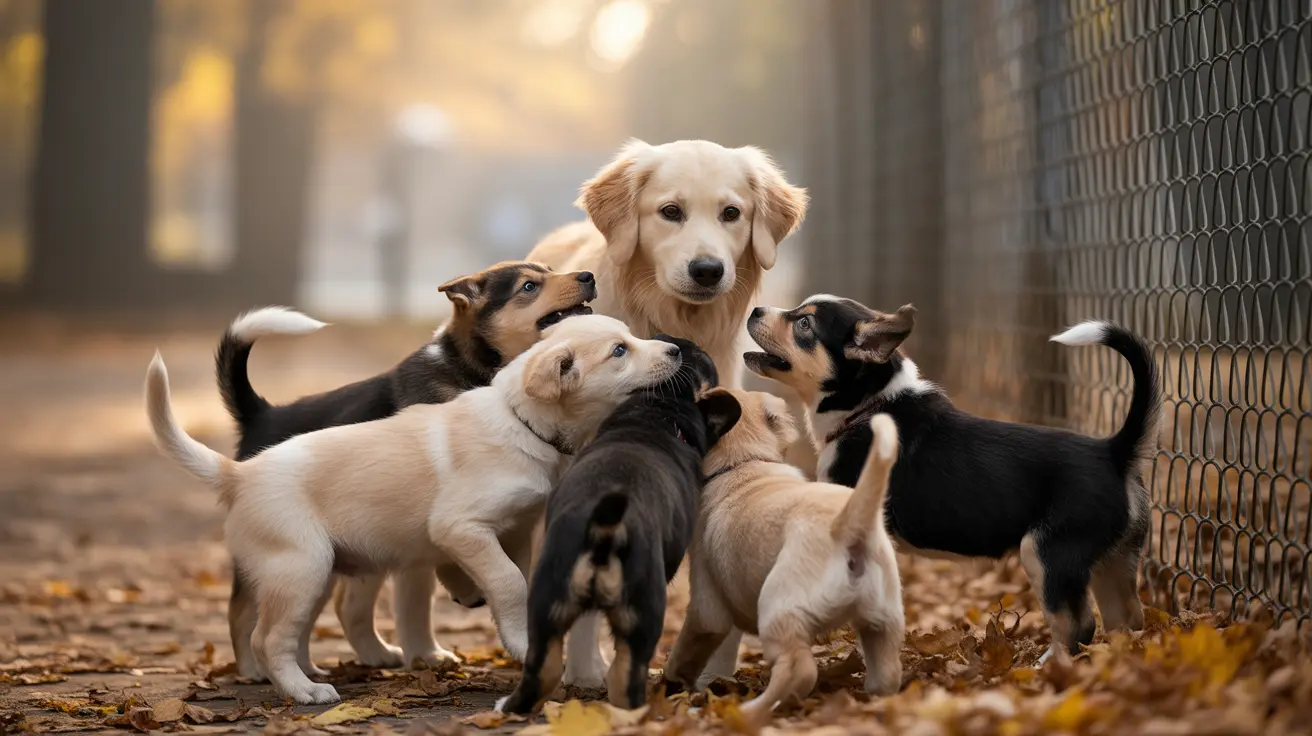
Nearly two weeks into the new year, animal shelters across the country are reporting an alarming increase in abandoned dogs, highlighting the troubling trend of post-holiday pet abandonment. Local rescues and shelters are witnessing a significant surge in surrendered and dumped dogs as the reality of pet ownership responsibilities sets in after the holiday excitement fades.
This annual crisis reflects deeper issues surrounding impulse pet gifting during Christmas and the financial pressures that many families face in January. Understanding why this happens and how to prevent it is crucial for both current and prospective pet owners who want to ensure their furry friends remain in loving homes year-round.
Why Christmas Dog Surrenders Peak in January
The weeks following Christmas consistently bring one of the most challenging periods for animal welfare organizations. The phenomenon of Christmas dog surrenders occurs for several interconnected reasons that shelter workers have observed year after year.
Many pets received as holiday gifts were not thoroughly planned purchases. When families realize the full scope of pet ownership responsibilities—including daily walks, training needs, veterinary costs, and long-term commitment—some make the difficult decision to surrender their new companions.
Additionally, the financial strain that often follows holiday spending can make pet care expenses feel overwhelming. Food, supplies, vaccinations, and unexpected veterinary bills can quickly add up for families already stretched thin after Christmas purchases.
Housing Issues Pet Relinquishment
Housing-related challenges represent another significant factor in January pet surrenders. Many renters discover that their lease agreements prohibit pets or require substantial additional deposits they cannot afford. Others face sudden housing changes, job relocations, or family circumstances that make pet ownership complicated.
Some families also underestimate the space and exercise requirements of their new pets, particularly larger dog breeds that need substantial daily activity and room to roam. Apartment dwellers may find themselves unprepared for the lifestyle adjustments required to properly care for an active dog.
Holiday Pet Gifting Risks and Prevention
Pet welfare experts consistently advise against gifting animals during the holidays unless the recipient has explicitly requested and prepared for pet ownership. Responsible holiday pet adoption requires extensive planning, family discussions, and financial preparation that rarely occurs with surprise gift-giving.
Instead of gifting actual pets, consider giving pet supplies, training vouchers, or adoption certificates that allow the recipient to choose their companion when they're fully prepared. This approach ensures better matches between pets and families while reducing the likelihood of future surrenders.
Economic Reasons Abandon Pets
Financial hardship remains the leading cause of pet relinquishment during the post-holiday period. January often brings credit card bills from holiday spending, reduced income from seasonal job changes, and unexpected expenses that make pet care costs feel insurmountable.
Before surrendering pets due to financial concerns, owners should explore available resources. Many communities offer low-cost veterinary clinics, pet food banks, and temporary foster programs that can help families keep their pets during difficult times.
Supporting Animal Shelters Overcrowded January
Pet lovers can help address this annual crisis through various forms of support. Shelters desperately need volunteers, donations of supplies, and foster families during peak surrender periods. Even temporary fostering can free up kennel space and reduce stress on shelter animals.
Financial donations help shelters manage increased intake numbers, while supply donations like dog food, blankets, and toys provide immediate relief. Community awareness about responsible pet ownership also helps prevent future abandonment situations.
Frequently Asked Questions
Why do animal shelters see a surge in dog surrenders after Christmas?
Shelters experience increased surrenders because many holiday pets were impulse gifts without proper planning. Families often realize they're unprepared for the responsibilities, costs, and lifestyle changes that pet ownership requires, leading to difficult surrender decisions in January.
How does financial hardship lead to more pets being abandoned in January?
Post-holiday financial stress combines with ongoing pet care costs to create overwhelming expenses for some families. After holiday spending and potential job changes, the costs of pet food, veterinary care, and supplies can become unmanageable, unfortunately resulting in pet surrenders.
Is it safe to adopt a dog as a holiday gift, or should I avoid it?
Pet experts strongly recommend avoiding surprise pet gifts. Instead, involve the recipient in choosing their pet when they're fully prepared. Consider giving pet supplies or adoption vouchers that allow proper planning and ensure the best match between pet and family.
What are the main reasons owners give up dogs post-holidays besides money issues?
Housing restrictions, inadequate space for larger breeds, underestimating exercise and training needs, and family circumstances like allergies or lifestyle changes all contribute to post-holiday surrenders. Many situations stem from insufficient research before acquiring pets.
How can I help overcrowded animal shelters during the post-holiday pet crisis?
Volunteer your time, donate supplies like food and blankets, consider fostering animals temporarily, or make financial contributions. Spreading awareness about responsible pet ownership and supporting spay/neuter programs also helps reduce future shelter overcrowding issues.
Moving Forward Responsibly
The post-holiday pet abandonment crisis serves as an important reminder that pet ownership requires careful consideration, financial planning, and long-term commitment. By making informed decisions and supporting shelter animals during peak surrender periods, communities can work together to ensure more pets find permanent, loving homes where they'll be cherished for life, not just for the holidays.




