
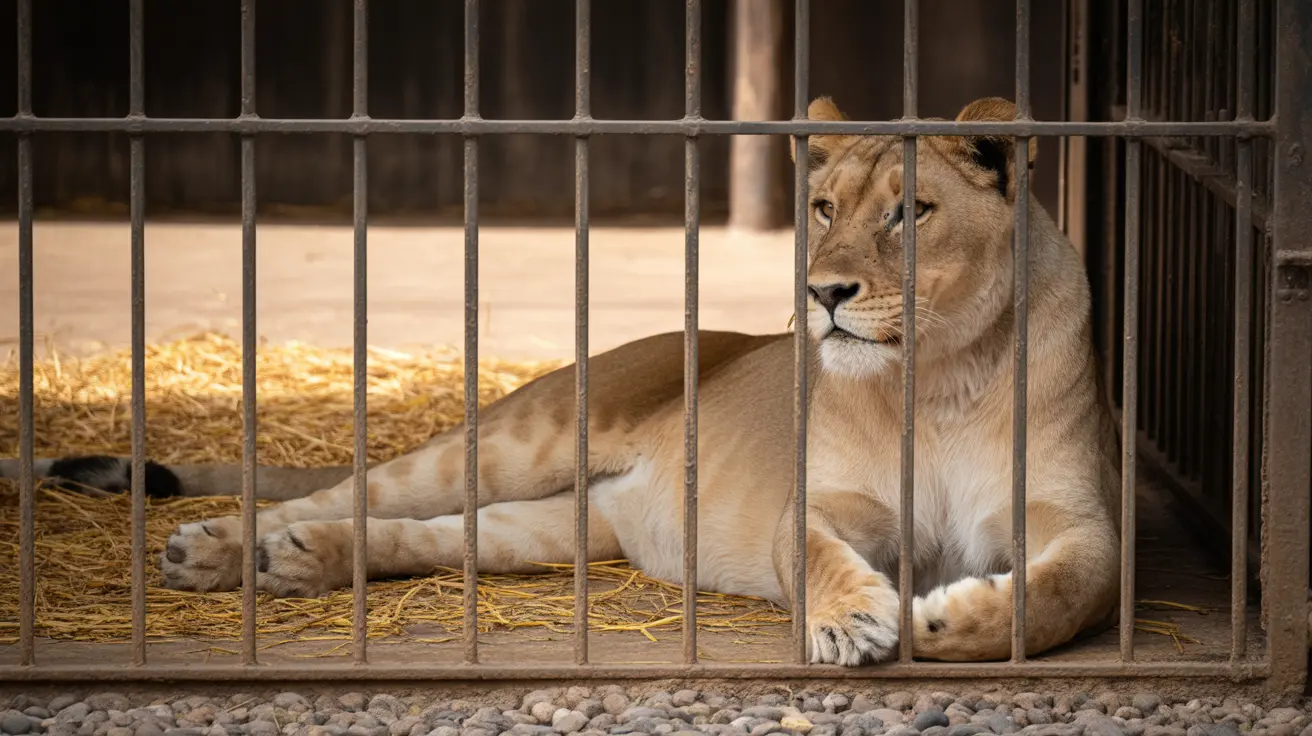
Born to Be Free, an animal sanctuary located in Frazier Park within Ventura County, has been hit with substantial penalties totaling $50,435 after California Department of Fish and Wildlife (CDFW) officials discovered the facility housing 15 exotic animals without the required California restricted species permit. The case highlights the critical importance of proper licensing when operating facilities that care for exotic wildlife, particularly dangerous species like lions and tigers.
The significant fine serves as a stark reminder to current and prospective sanctuary operators about the strict regulatory framework governing exotic animal care in California. For pet owners considering exotic animals or supporting wildlife sanctuaries, understanding these regulations helps ensure both animal welfare and legal compliance across the state.
California Exotic Animal Laws Require Strict Compliance
California maintains some of the nation's most comprehensive exotic animal regulations, designed to protect both public safety and animal welfare. The state's restricted species list includes numerous big cats, primates, venomous reptiles, and other potentially dangerous animals that require specialized care and containment.
Animal sanctuaries, even those operating with the best intentions, must navigate complex licensing requirements before accepting exotic animals. The CDFW restricted species list specifically includes lions, tigers, leopards, and their hybrids—animals that require extensive knowledge, proper facilities, and ongoing veterinary care that far exceeds typical pet care standards.
Big Cat Sanctuary Permit Requirements and Enforcement
Operating a legitimate wildlife facility requires more than good intentions and adequate space. California's regulatory framework demands comprehensive documentation, facility inspections, and ongoing compliance monitoring. The Born to Be Free case demonstrates how quickly unlicensed wildlife facility operations can result in substantial financial penalties.
Wildlife facility licensing requirements typically include detailed facility plans, veterinary care protocols, emergency response procedures, and proof of adequate insurance coverage. These requirements exist because exotic animals pose unique risks that traditional pet care knowledge cannot adequately address.
Understanding the Legal Consequences
The $50,435 fine imposed on Born to Be Free represents just one aspect of potential penalties for exotic animal sanctuary violations. Additional consequences can include animal confiscation, permanent facility closure, and criminal charges depending on the severity of violations and any resulting public safety incidents.
For individuals considering supporting or establishing animal sanctuaries, these enforcement actions underscore the importance of verifying proper licensing before involvement. Legitimate sanctuaries readily provide documentation of their permits and regulatory compliance.
Exotic Animal Care Standards in California
Beyond legal requirements, caring for restricted species demands expertise that extends far beyond traditional pet care knowledge. Lions, tigers, and other big cats require specialized nutrition, veterinary care from experienced exotic animal practitioners, and containment systems designed to prevent escapes while providing appropriate environmental enrichment.
These animals live decades in captivity and require consistent, professional-level care throughout their lives. The costs associated with proper exotic animal care often exceed tens of thousands of dollars annually per animal, making inadequate preparation a recipe for both animal suffering and legal troubles.
How to Legally Operate Animal Sanctuary Facilities
Prospective sanctuary operators should begin the permitting process well before acquiring any animals. The restricted species permit application California requires involves extensive documentation, facility inspections, and demonstration of adequate resources for long-term animal care.
Working with experienced exotic animal veterinarians, facility designers familiar with containment requirements, and legal professionals who understand wildlife regulations can help ensure compliance from the outset. Many successful sanctuaries also maintain relationships with other licensed facilities for emergency placement options and knowledge sharing.
Frequently Asked Questions
What is a Restricted Species Permit and why do animal sanctuaries need one in California? A Restricted Species Permit is a legal authorization from the California Department of Fish and Wildlife required to possess, breed, or exhibit certain exotic animals. Animal sanctuaries need these permits because many rescue animals, particularly big cats and primates, appear on California's restricted species list due to public safety and animal welfare concerns.
What are the legal consequences for operating an animal sanctuary without proper exotic animal permits? Operating without proper permits can result in substantial fines (as demonstrated by the $50,435 penalty in this case), animal confiscation, facility closure, and potential criminal charges. Repeat offenses or incidents involving public safety can lead to even more severe penalties.
Can an animal sanctuary inherit or transfer a previous owner's restricted species permit to house exotic animals? No, restricted species permits are not transferable between individuals or facilities. New operators must apply for their own permits, demonstrate compliance with all current regulations, and undergo facility inspections before legally housing any restricted species, regardless of previous ownership arrangements.
Supporting Legitimate Wildlife Conservation
The Born to Be Free case serves as an important reminder that good intentions alone cannot substitute for proper legal compliance when caring for exotic animals. Pet owners and animal lovers can best support wildlife conservation by researching facilities thoroughly, verifying proper licensing, and understanding the complex requirements involved in exotic animal care.
For those passionate about helping exotic animals, supporting established, licensed sanctuaries or contributing to habitat conservation efforts often provides more meaningful impact than attempting to establish new unlicensed facilities. The regulatory framework exists to protect both animals and communities, making compliance essential for any legitimate wildlife care operation.




