
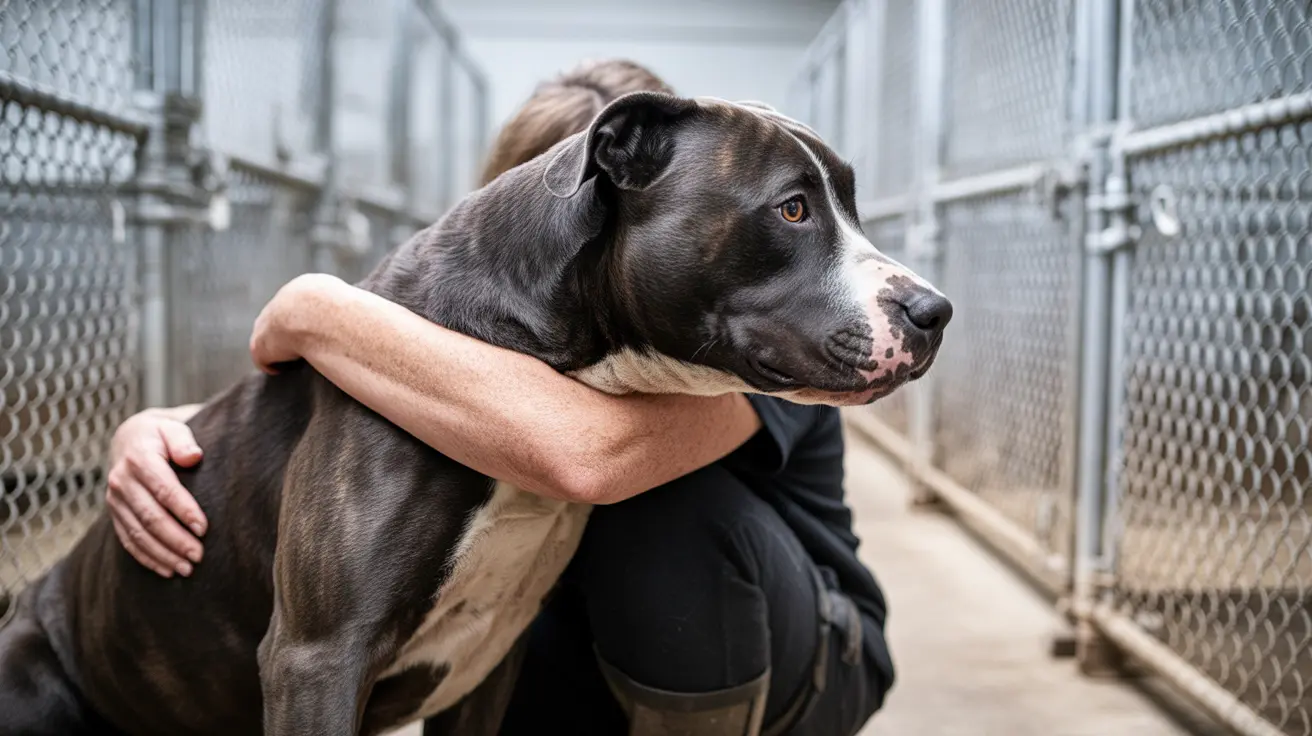
Law enforcement agencies in South Carolina have dealt a significant blow to organized animal cruelty with recent dogfighting arrests that have dismantled a sophisticated fighting operation. The South Carolina Law Enforcement Division (SLED) successfully executed coordinated raids that resulted in multiple arrests and the rescue of numerous pit bulls from deplorable fighting conditions.
Animal Wellness Action has praised the decisive action taken by South Carolina authorities, highlighting how these arrests demonstrate the critical need for stronger federal legislation to combat dogfighting across state lines. The organization has linked this enforcement success to ongoing advocacy for the bipartisan FIGHT Act, which would enhance federal penalties and coordination efforts against animal fighting operations.
Understanding the Scope of Dogfighting Operations
The recent SLED dogfighting raids uncovered more than just animal abuse—they revealed the complex criminal networks that typically surround organized fighting rings. These operations often involve multiple states, sophisticated breeding programs, and connections to other illegal activities including drug trafficking and weapons violations.
Rescued pit bulls from fighting rings require immediate medical attention and long-term rehabilitation. Many of these animals suffer from severe injuries, malnutrition, and psychological trauma that can take months or years to overcome. However, success stories from organizations like Humane World for Animals rescues demonstrate that with proper care, many fighting dogs can be rehabilitated and eventually adopted into loving homes.
Signs of Dogfighting Abuse Every Pet Owner Should Know
Pet owners and community members play a crucial role in identifying potential dogfighting operations. Signs of dogfighting abuse in neighborhoods may include properties with multiple dogs kept in poor conditions, unusual amounts of foot traffic at odd hours, and the presence of dogfighting paraphernalia such as treadmills, spring poles, or breaking sticks.
Physical signs on dogs that may indicate fighting include scarring around the face and legs, cropped ears, excessive muscle development, and injuries in various stages of healing. Behavioral indicators can include extreme aggression toward other dogs, fear of humans, or conversely, unusual submission patterns.
Legislative Push: The FIGHT Act and Animal Cruelty Taskforce Efforts
The FIGHT Act legislation represents a comprehensive approach to combating animal fighting at the federal level. This bipartisan bill would strengthen existing laws by increasing penalties, improving coordination between agencies, and providing additional resources for investigation and prosecution of animal fighting crimes.
Animal cruelty taskforce initiatives across the country have demonstrated the effectiveness of coordinated enforcement efforts. When local, state, and federal agencies work together, they can more effectively disrupt the interstate networks that support organized dogfighting operations.
Supporting Victims: Rehabilitation and the Cost of Care
The South Carolina Cost of Care Act helps ensure that those responsible for animal cruelty bear the financial burden of caring for seized animals during legal proceedings. This legislation prevents taxpayers from shouldering the costs while providing rescued animals with necessary medical care and rehabilitation.
Pit bull fighting injuries often require extensive veterinary treatment, including surgery for wounds, treatment for infections, and ongoing behavioral rehabilitation. Organizations specializing in dogfighting rehabilitation success have developed protocols that address both physical and psychological trauma, giving these animals a second chance at normal lives.
Community Impact and Cluster Crime Connections
Dogfighting cluster crimes often include drug trafficking, illegal gambling, and weapons violations. When law enforcement successfully shuts down fighting operations, they frequently uncover evidence of additional criminal activities that threaten community safety. This makes anti-dogfighting efforts an important component of broader public safety initiatives.
Pit bull adoption after rescue programs require careful screening and ongoing support. Not all fighting dogs can be safely placed in homes, but many can become loving family pets with proper rehabilitation and training.
How Communities Can Help
Reporting dogfighting tips to authorities requires awareness and courage from community members. If you suspect dogfighting activity, contact local law enforcement, animal control, or the ASPCA's tip line. Provide specific details about locations, times, and observed activities while prioritizing your own safety.
Supporting legitimate pit bull rescue organizations and advocating for stronger animal protection laws helps create a society where organized animal cruelty cannot flourish. Every community member has a role to play in protecting vulnerable animals from exploitation.
Frequently Asked Questions
What are the signs of dogfighting abuse in pit bulls that pet owners should watch for in their neighborhoods?
Look for properties with multiple dogs in poor conditions, unusual traffic patterns, scarred dogs with cropped ears, and the presence of training equipment like treadmills or spring poles. Dogs may show signs of injuries in various healing stages or extreme behavioral issues around other dogs.
How can I report a suspected dogfighting ring to authorities in South Carolina?
Contact SLED directly, local law enforcement, or animal control agencies. You can also report to the ASPCA's tip line or Humane Society hotlines. Provide specific details about locations, times, and observed activities while ensuring your own safety.
What is the FIGHT Act and how would it help stop dogfighting across the US?
The FIGHT Act is bipartisan federal legislation that would strengthen penalties for animal fighting crimes, improve coordination between law enforcement agencies, and provide additional resources for investigating and prosecuting interstate dogfighting operations.
Can dogs rescued from dogfighting operations be rehabilitated and adopted as pets?
Yes, many dogs can be successfully rehabilitated with proper veterinary care, behavioral training, and time. However, each case requires individual assessment, and not all fighting dogs may be suitable for home placement due to the severity of their trauma or behavioral issues.
Why is dogfighting linked to other crimes like drugs and weapons, and what does that mean for community safety?
Dogfighting operations often involve illegal gambling, drug trafficking, and weapons violations because they operate outside the law and attract criminal networks. Shutting down fighting rings therefore helps address multiple public safety threats simultaneously, making communities safer overall.




