
The Educational Power of Wildlife Cams
Animal reality TV through livestreaming platforms has transformed wildlife education by making it accessible to anyone with an internet connection. Unlike traditional nature programming, these wildlife cams offer unscripted, authentic moments that reveal genuine animal behaviors without human interference.
Educational institutions worldwide have embraced these platforms as teaching tools, using bear cams Yellowstone and falcon cam UC Berkeley to provide students with real-time learning opportunities. Teachers can integrate live animal observations into their curricula, helping students understand animal behavior patterns, seasonal changes, and ecosystem dynamics.
Popular Wildlife Livestreaming Destinations
Several iconic locations have become household names in the world of conservation wildlife cams. Yellowstone National Park's bear cameras attract millions of viewers during salmon season, while UC Berkeley's falcon nest cam has documented multiple generations of peregrine falcons raising their young.
The panda cam San Diego Zoo remains one of the most beloved animal livestreams, offering viewers the chance to watch these endangered giants eat, play, and sleep throughout the day. Similarly, bird nest cams have become incredibly popular during breeding seasons, allowing viewers to witness the complete lifecycle from egg-laying to fledgling departure.
Sweden's Contribution to Moose Cams and Wolf Livestreams
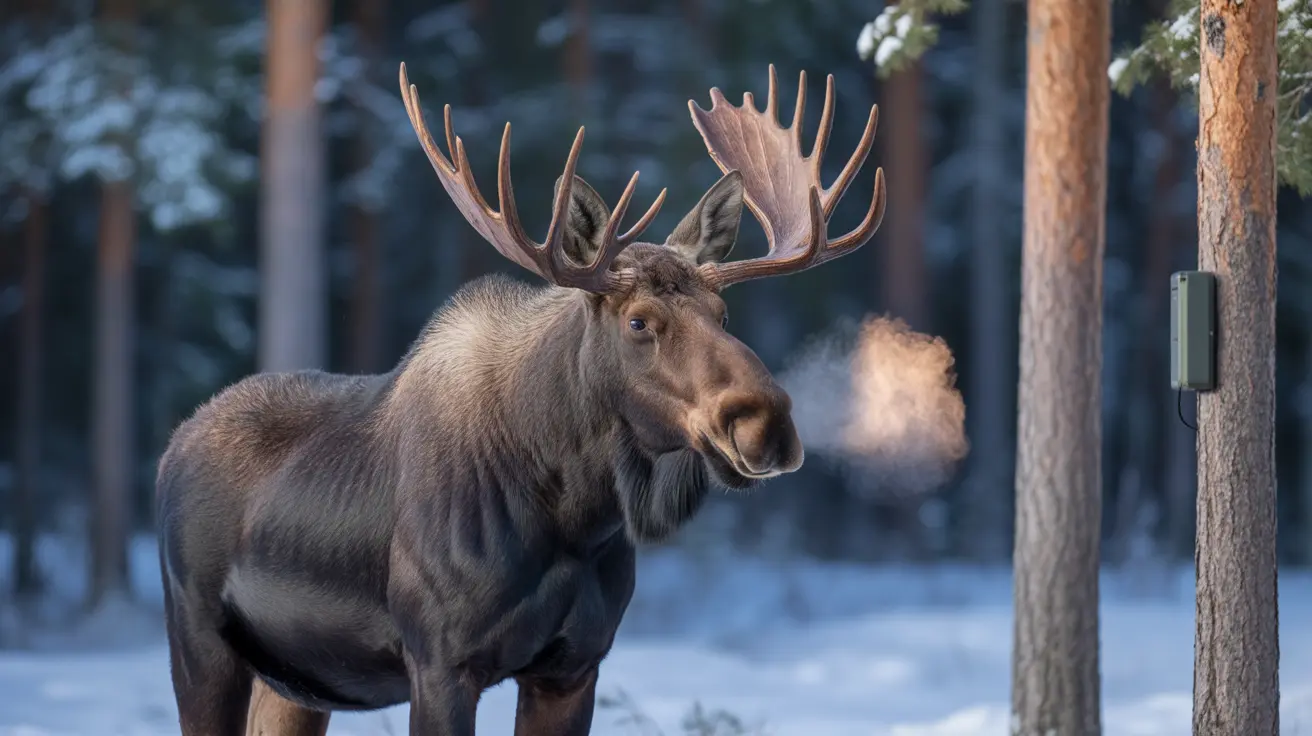
Sweden's entry into the animal livestreaming world brings unique opportunities to observe moose cams Sweden and wolf livestreams in their native Nordic environment. The country's vast wilderness areas and abundant wildlife populations make it an ideal location for capturing diverse animal behaviors.
These moose cams provide valuable insights into the behavior of Europe's largest land mammals, while wolf livestreams offer rare glimpses into pack dynamics and hunting behaviors. Such footage contributes significantly to wildlife research and public education about these often-misunderstood predators.
Technology Behind Modern Animal Streams
The advancement of AI wildlife streams has revolutionized how these cameras operate and what viewers can experience. Modern wildlife cameras feature motion detection, night vision capabilities, and automated tracking systems that follow animals as they move through their territories.
Platforms like Explore.org animal streams have pioneered the integration of artificial intelligence to enhance viewing experiences. These systems can identify different species, highlight interesting behaviors, and even provide automated commentary about what viewers are witnessing.
Conservation Impact of Educational Animal Livestreams
Beyond entertainment value, these 24/7 animal cams serve crucial conservation purposes by fostering emotional connections between viewers and wildlife. When people can observe animals in their natural habitats, they develop deeper appreciation for conservation efforts and environmental protection.
Wildlife researchers also benefit from continuous monitoring capabilities these cameras provide. The constant stream of footage helps scientists track population numbers, monitor health conditions, and study behavioral patterns that might otherwise go unnoticed during brief field studies.
Frequently Asked Questions
- What are the best animal livestreams to watch for learning about wildlife behaviors?
Popular educational options include Yellowstone's bear cams for observing fishing behaviors, UC Berkeley's falcon cam for bird nesting cycles, and various African watering hole cams for studying herd dynamics and predator-prey interactions.
- How has Sweden's new wildlife cams contributed to conservation efforts?
Sweden's wildlife cameras provide valuable data on moose migration patterns and wolf pack behaviors, helping researchers better understand these species' ecological roles and supporting evidence-based conservation policies.
- Why are animal reality TV livestreams like bear cams and falcon cams so popular worldwide?
These streams offer authentic, unscripted wildlife experiences that viewers can access anytime. The unpredictability of animal behavior creates compelling viewing, while the educational aspect appeals to people seeking meaningful entertainment.
- What educational benefits do 24/7 wildlife camera streams offer for schools and students?
Students can observe real-time animal behaviors, track seasonal changes, and witness rare wildlife events. These streams support science curricula by providing live examples of concepts like adaptation, food chains, and habitat requirements.
Conclusion
The expansion of animal livestreams to include Sweden's wildlife represents the continuing evolution of how people connect with nature. These educational tools democratize wildlife observation, bringing the natural world to classrooms, homes, and devices worldwide.
As technology advances and more countries embrace wildlife streaming, viewers can expect even more immersive and educational experiences that foster conservation awareness while satisfying our innate curiosity about the animal kingdom.




