
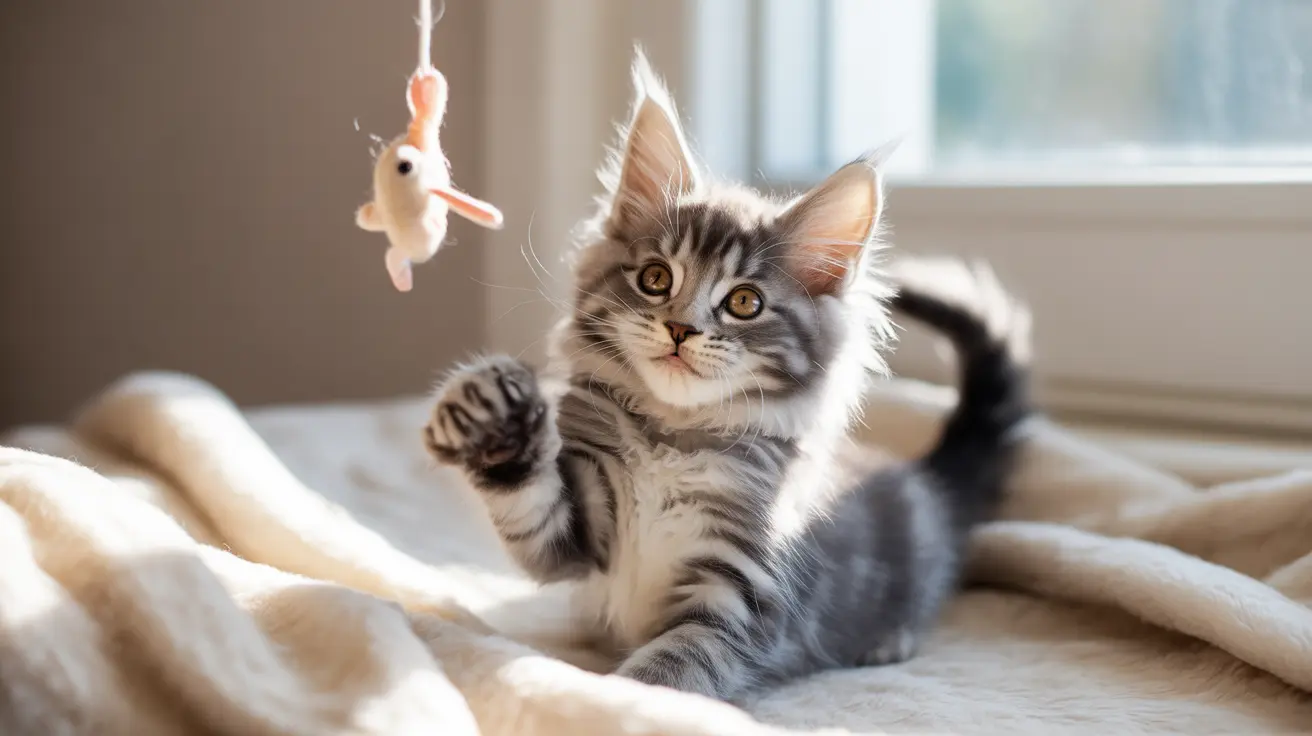
Many new pet owners wonder whether their kitten will grow into a sleek, short-haired cat or a fluffy, long-haired beauty. A kitten’s coat changes dramatically during its first few months of life, and while some signs appear early, others take time to reveal themselves. Understanding how feline coat genetics and development work can help you make an educated guess about your kitten’s future appearance.
All kittens are born with soft, fine fur known as their “baby coat.” This early fur is often deceptive because it can look fluffier or thinner than the adult coat that will eventually replace it. Around three to six months of age, kittens begin to shed their baby fur as their adult coat starts to grow in. During this transition, you may notice changes in texture, length, and even color. Observing these shifts carefully gives you valuable clues about whether your kitten will have long or short hair as an adult.
Coat length is primarily determined by genetics, specifically by a recessive gene that controls long hair. If both parents carry this gene, their offspring have a higher chance of developing long fur. However, even with genetic tendencies, environmental factors such as nutrition and grooming can influence how the coat appears and feels. Recognizing the early indicators of coat type can help you prepare for the grooming needs your cat will have later in life.
Physical Signs That Suggest Long Hair
Although it can be tricky to predict coat length in very young kittens, several physical traits can hint at a long-haired future. The most obvious sign is the texture and density of the fur. Kittens destined for long hair often have fur that feels thicker and softer, even when short. Their coats may appear slightly “fluffy” or have a downy look compared to the sleek, close-lying fur of short-haired kittens. The fur around the neck, tail, and behind the ears may also seem more pronounced or tufted.
Another indicator is the presence of ear and paw tufts. Long-haired breeds, such as Maine Coons or Persians, typically have small tufts of fur growing between their toes and from the tips of their ears. These tufts may be subtle in kittens but tend to become more noticeable as they grow. Similarly, a kitten with a bushy tail or a developing mane around the neck area is more likely to have a long-haired coat as an adult.
Eye shape and body structure can also offer subtle hints. Long-haired cats often have rounder faces and fuller bodies, while short-haired cats tend to have more angular features. However, these traits are not definitive on their own. The best approach is to observe a combination of characteristics over time rather than relying on a single feature. By around six months, most kittens show clear signs of their adult coat type.
Genetic and Breed Influences
Genetics play the most significant role in determining coat length. The long-hair trait in cats is caused by a recessive gene known as the fibroblast growth factor 5 (FGF5) mutation. For a kitten to develop long hair, it must inherit this gene from both parents. If only one parent passes on the gene, the kitten will likely have short hair but may carry the long-hair gene and pass it to future generations. This genetic mechanism explains why even short-haired cats can occasionally produce long-haired kittens.
Breed background is another strong indicator. Purebred cats such as Ragdolls, Himalayans, and Norwegian Forest Cats are known for their long, luxurious coats, while breeds like Siamese or Burmese are almost always short-haired. Mixed-breed kittens can be more unpredictable, but knowing the coat types of the parents or even grandparents can help you estimate the likelihood of long hair. If your kitten came from a shelter or unknown lineage, observing their coat development over time becomes even more important.
Modern genetic testing can provide a definitive answer. Many veterinary clinics and online services offer DNA tests that identify coat length genes and other traits. These tests are non-invasive and can reveal whether your kitten carries one or two copies of the long-hair gene. For owners who want certainty, especially breeders, genetic testing is the most reliable method to predict coat type accurately.
Grooming and Care Considerations
Knowing whether your kitten will have long or short hair is not just about appearance—it also affects how you care for them. Long-haired cats require more frequent grooming to prevent matting and tangles. Their fur can easily trap dirt, debris, and loose hair, which may lead to skin irritation if not properly maintained. Short-haired cats, on the other hand, generally need less grooming but still benefit from regular brushing to reduce shedding and hairballs.
Establishing a grooming routine early helps your kitten become comfortable with being brushed. Start with short, gentle sessions using a soft-bristled brush or grooming glove. As your kitten grows, you can transition to tools suited for their coat type. Long-haired cats may need daily brushing, while short-haired cats might only require grooming once or twice a week. Regular grooming also provides an opportunity to check for fleas, skin issues, or other health concerns.
Nutrition also plays a vital role in coat health. A balanced diet rich in omega-3 and omega-6 fatty acids promotes a shiny, resilient coat. Hydration is equally important, as dehydration can lead to dry, brittle fur. Whether your kitten ends up with long or short hair, proper grooming and nutrition will ensure their coat remains healthy and beautiful throughout their life.
When to Expect the Final Coat
Patience is key when waiting for your kitten’s adult coat to fully develop. Most kittens begin showing their true coat length between six and twelve months of age, though some long-haired breeds may take up to two years to reach their full fluffiness. During this period, you might notice uneven patches or shedding as the baby coat gives way to the adult one. This is a normal part of the process and not a cause for concern.
Seasonal changes can also influence coat appearance. Many cats grow thicker fur in colder months and shed it in warmer weather. Long-haired cats, in particular, may appear even fluffier during winter. Regular grooming during these transitions helps manage shedding and keeps the coat looking its best. Observing these cycles over time will give you a clearer picture of your cat’s permanent coat characteristics.
By the time your kitten reaches adulthood, their coat length, texture, and color will have stabilized. At this stage, you can confidently identify whether you have a long-haired or short-haired cat. Regardless of the outcome, each coat type has its own charm and care requirements, and understanding them ensures your feline companion stays comfortable and well-groomed.
Determining whether a kitten will have long hair involves a mix of observation, genetics, and patience. Early signs such as fluffiness, ear tufts, and tail thickness can offer clues, but the most accurate predictions come from understanding the kitten’s genetic background. As your kitten matures, their coat will gradually reveal its true nature, allowing you to adapt your grooming routine accordingly. Whether your cat grows into a silky long-haired beauty or a sleek short-haired companion, attentive care and proper nutrition will keep their coat healthy and radiant for years to come.
FAQ
How soon can I tell if my kitten will have long hair?
Most kittens begin showing signs of their adult coat type between three and six months of age. Early indicators include fluffier fur, ear and paw tufts, and a bushier tail. However, some long-haired breeds take longer to develop their full coats, sometimes up to a year or more. Observing your kitten’s coat texture and density over time provides the best clues. If you want a definitive answer, a genetic test can confirm whether your kitten carries the long-hair gene.
Do all fluffy kittens grow up to be long-haired cats?
Not necessarily. Many kittens have soft, fluffy baby fur that becomes shorter and sleeker as they mature. This transitional coat can be misleading, especially in mixed-breed kittens. True long-haired cats will retain a thicker, denser coat as they grow, while short-haired cats will develop smoother, closer-lying fur. Watching how the coat changes between three and nine months will help you distinguish between temporary fluffiness and genuine long-hair traits.
Can two short-haired cats produce a long-haired kitten?
Yes, it’s possible if both parents carry the recessive long-hair gene. Even though they appear short-haired, they can pass this hidden gene to their offspring. When a kitten inherits the gene from both parents, it will develop long hair. This is why long-haired kittens sometimes appear unexpectedly in litters of short-haired cats. Genetic testing of the parents can reveal whether they carry the long-hair gene and help predict future coat outcomes.
Does grooming frequency differ between long- and short-haired cats?
Absolutely. Long-haired cats require more frequent grooming—ideally daily—to prevent tangles and mats. Their dense fur can trap dirt and shed hair, leading to discomfort or skin issues if neglected. Short-haired cats need less maintenance but still benefit from weekly brushing to reduce shedding and hairballs. Regular grooming also strengthens your bond with your cat and allows you to monitor their skin and coat health closely.
What kind of brush should I use for a long-haired kitten?
For long-haired kittens, start with a soft-bristled brush or a grooming glove to get them accustomed to being brushed. As they grow, you can switch to a slicker brush or a wide-toothed comb designed for detangling longer fur. Always brush gently to avoid pulling or irritating their skin. Regular brushing not only keeps the coat smooth but also reduces shedding and prevents painful mats from forming.
Can diet affect my kitten’s coat length or quality?
While diet doesn’t change genetic coat length, it significantly influences coat quality and shine. A balanced diet rich in protein, omega-3, and omega-6 fatty acids supports healthy skin and fur. Poor nutrition can lead to dull, brittle coats regardless of length. Providing high-quality kitten food and ensuring proper hydration will help your pet develop a soft, glossy coat as they mature. Supplements may also be beneficial under veterinary guidance.
At what age does a kitten’s adult coat fully develop?
Most kittens have their full adult coat by twelve months of age, though some long-haired breeds may take up to two years. The process involves shedding the baby coat and growing in thicker, more defined fur. During this time, you may notice uneven patches or shedding, which is normal. Regular grooming helps manage this transition and keeps your kitten comfortable as their permanent coat emerges.
Are long-haired cats more prone to shedding?
Long-haired cats do shed more visibly because their fur is longer and more noticeable, but the actual amount of hair shed may be similar to that of short-haired cats. However, their loose fur tends to mat or tangle if not brushed regularly. Consistent grooming helps manage shedding and keeps the coat healthy. Seasonal shedding is also common, especially in spring and fall, when cats naturally adjust their coats to temperature changes.
Can I trim my kitten’s long hair to make grooming easier?
Trimming can help manage long hair, especially around areas prone to matting, such as the belly or hindquarters. However, it’s best to avoid full-body shaving unless recommended by a veterinarian or professional groomer. Regular brushing and occasional trims are usually sufficient to maintain a healthy coat. If you choose to trim, use pet-safe scissors and ensure your kitten is calm and comfortable during the process.
Do long-haired cats require different care during shedding seasons?
Yes, long-haired cats often need extra grooming during shedding seasons, typically in spring and fall. Their thick coats release more loose fur, which can lead to mats or hairballs if not managed. Increasing brushing frequency during these times helps remove dead hair and keeps the coat smooth. Providing proper hydration and a balanced diet also supports healthy shedding cycles and reduces coat-related issues.




