
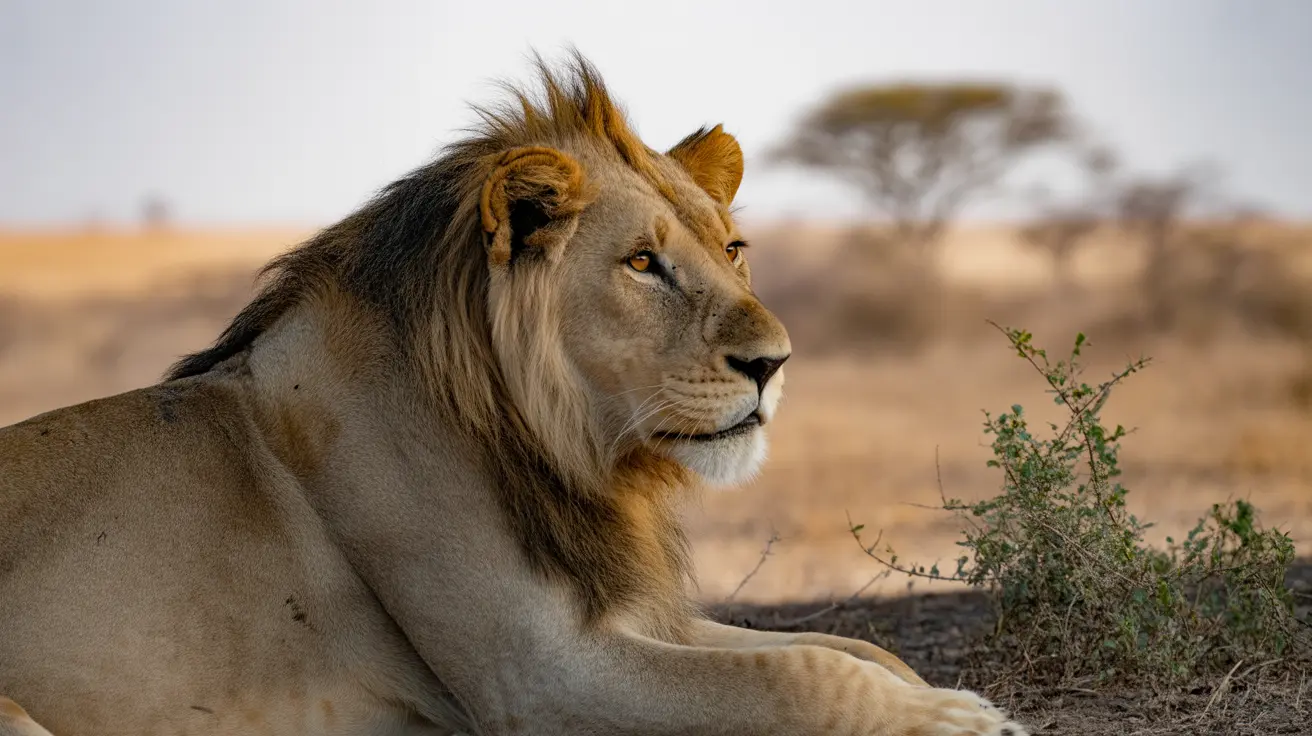
An exotic animal sanctuary California authorities recently investigated has been hit with significant financial penalties for operating without the required permits. The Ventura County facility was fined more than $50,000 by the district attorney's office after being found to house a lion-tiger hybrid and other exotic animals without proper restricted species permit California documentation.
This case highlights the critical importance of proper licensing and compliance with state regulations when operating facilities that care for exotic animals. For pet owners and animal enthusiasts, understanding these legal requirements helps ensure the welfare of both domestic and exotic animals while supporting legitimate conservation efforts.
California Exotic Animal Regulations and Legal Framework
The state of California maintains strict exotic animal laws California that govern the possession, care, and housing of restricted species. These regulations exist to protect both public safety and animal welfare, requiring specialized permits and facilities that meet rigorous standards.
Under California Department of Fish and Wildlife permits system, facilities must demonstrate they have appropriate enclosures, veterinary care, staff training, and safety protocols before receiving authorization to house exotic animals. The restricted species list California includes large cats, primates, venomous reptiles, and hybrid animals like the lion-tiger cross found at the Ventura County sanctuary.
Animal Sanctuary Legal Requirements and Compliance Standards
Operating an animal sanctuary involves complex animal sanctuary legal requirements that extend far beyond good intentions. Legitimate sanctuaries must obtain multiple permits, undergo regular inspections, and maintain detailed records of their animals' care and wellbeing.
The exotic animal care standards mandated by state authorities include specific requirements for enclosure size, veterinary care, nutrition, enrichment activities, and emergency protocols. These standards help ensure that animals receive appropriate care while protecting both the animals and surrounding communities.
Housing Lions Without Permit: Safety and Welfare Concerns
The practice of housing lions without permit creates serious risks for both the animals and public. Large cats require specialized facilities with reinforced enclosures, appropriate climate control, and trained staff who understand their behavioral needs and potential dangers.
When facilities operate without proper oversight, animals may suffer from inadequate nutrition, improper housing conditions, or lack of veterinary care. Additionally, the absence of safety protocols can endanger staff, volunteers, and nearby residents.
Animal Sanctuary Penalties and Enforcement Actions
The substantial animal sanctuary fines imposed in this case reflect the seriousness with which California authorities treat violations of exotic animal regulations. The more than $50,000 penalty serves both as punishment and deterrent, emphasizing that operating without proper permits carries significant financial consequences.
Beyond monetary penalties, animal sanctuary violations can result in the immediate confiscation of animals, permanent closure of facilities, and criminal charges against operators. These enforcement measures protect animals while ensuring that only qualified facilities continue operating.
Exotic Animal Relocation and Rehabilitation
When authorities discover unlicensed facilities, exotic animal relocation becomes a complex process. Animals must be assessed for health and behavioral issues, then placed in appropriate licensed facilities that can provide proper long-term care.
This process often involves coordination between multiple agencies, veterinary specialists, and accredited sanctuaries. The goal is ensuring that confiscated animals receive the specialized care they need while preventing similar situations in the future.
Supporting Legitimate Animal Sanctuaries
For animal lovers seeking to support conservation efforts, it's essential to research facilities thoroughly before donating time or money. Legitimate sanctuaries maintain proper licensing, undergo regular inspections, and operate transparently with documented animal care standards.
Responsible sanctuaries also focus on education, research, and species conservation rather than entertainment or profit. They work closely with regulatory agencies and maintain accreditation from recognized organizations.
Frequently Asked Questions
What happens if an animal sanctuary keeps exotic animals without a permit in California?
Sanctuaries operating without proper permits face significant penalties including substantial fines, immediate animal confiscation, facility closure, and potential criminal charges. California authorities take these violations seriously due to public safety and animal welfare concerns.
How much was the Ventura County animal sanctuary fined for illegal exotic animal possession?
The Ventura County animal sanctuary was fined more than $50,000 by the district attorney's office for housing a lion-tiger hybrid and other exotic animals without required restricted species permits.
Why are Restricted Species Permits required for exotic animals in California?
These permits ensure that facilities meet strict safety and animal welfare standards, including proper enclosures, veterinary care, staff training, and emergency protocols. The permit system protects both the animals and public while supporting legitimate conservation efforts.
Conclusion
The Ventura County case serves as an important reminder that good intentions alone are insufficient when caring for exotic animals. Proper permits, facilities, and expertise are essential for ensuring animal welfare and public safety. As this situation demonstrates, operating outside the legal framework carries serious consequences that ultimately harm both the animals and the broader conservation community.
For those passionate about exotic animal welfare, supporting properly licensed and accredited sanctuaries remains the best way to contribute to conservation efforts while ensuring animals receive the specialized care they deserve.




