
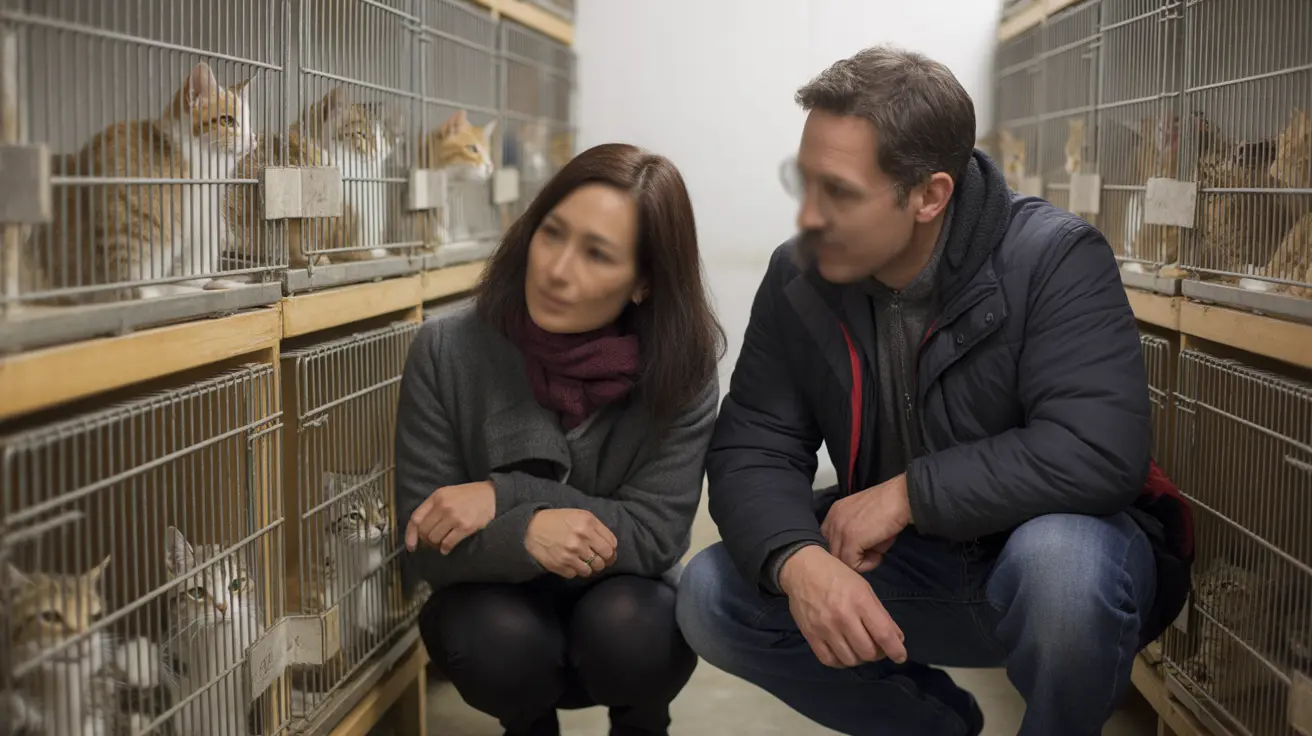
Vermont animal welfare reform has taken a significant step forward as state legislators introduce comprehensive bills designed to modernize and strengthen the state's approach to protecting animals. According to the state's director of the Division of Animal Welfare, "These bills are trying to modernize Vermont's approach to animal welfare," signaling a new era of enhanced protections for pets, farm animals, and wildlife across the Green Mountain State.
The legislative initiative comes at a crucial time when animal welfare advocates and pet owners across Vermont have been calling for updated laws and improved enforcement mechanisms. These proposed reforms aim to address gaps in current regulations while establishing stronger safeguards against animal cruelty and neglect throughout the state.
Enhanced Animal Cruelty Investigation and Enforcement
The Vermont animal protection bills focus heavily on strengthening investigation capabilities and enforcement mechanisms. The legislation aims to improve response times and effectiveness when addressing reports of animal cruelty, neglect, or abuse cases across the state.
Animal control officers Vermont-wide would benefit from expanded authority and resources under the proposed reforms. This enhanced framework is designed to ensure that suspected cases of animal mistreatment receive prompt, professional attention from trained personnel equipped to handle complex situations involving both domestic and farm animals.
Puppy Mills Vermont Regulations and Commercial Breeding Standards
One of the most significant aspects of the reform package addresses commercial breeding operations and puppy mills Vermont has struggled to regulate effectively. The new legislation would establish more frequent inspection schedules for animal facilities engaged in breeding operations.
These enhanced oversight measures aim to ensure that commercial breeding facilities maintain appropriate standards for animal housing, veterinary care, and overall welfare. Pet owners purchasing animals from these facilities would have greater confidence that their new companions come from ethical, well-regulated sources.
Pet Microchipping Requirements and Registration Systems
The legislative package includes provisions for pet microchipping requirements, particularly focusing on animals housed in shelters and rescue facilities. This measure would help reunite lost pets with their families more efficiently while reducing the burden on Vermont's animal shelters.
Pet registration Vermont systems would also see improvements under the proposed reforms, creating better tracking mechanisms for pet ownership and helping authorities respond more effectively to cases involving lost, stolen, or abandoned animals.
Animal Shelter Euthanasia Rates and Humane Society Support
The legislation addresses concerns about animal shelter euthanasia rates by supporting initiatives that promote adoption, foster care programs, and partnerships with humane society Vermont organizations. These efforts aim to reduce unnecessary euthanasia while ensuring that shelter animals receive appropriate care during their stay.
By strengthening the network of support between state agencies, local shelters, and humane organizations, the reforms seek to create a more comprehensive safety net for animals in need of care and placement.
Farm Animal Welfare Vermont Protections
The reform package extends beyond companion animals to address farm animal welfare Vermont concerns. These provisions aim to establish clearer standards for livestock care while supporting the state's agricultural community in maintaining ethical and sustainable practices.
The legislation recognizes the importance of balancing animal welfare protections with the practical needs of Vermont's farming community, ensuring that regulations are both effective and implementable for agricultural operations of all sizes.
Animal Neglect Enforcement and Repeat Offender Penalties
Strengthened animal neglect enforcement mechanisms would provide authorities with better tools to address cases of animal mistreatment. The legislation includes provisions for enhanced penalties for repeat offenders, creating stronger deterrents against animal cruelty while ensuring that first-time offenders receive appropriate education and support to prevent future incidents.
Pet hoarding cases would also receive special attention under the new framework, with improved protocols for intervention and support services for both animals and their owners in these complex situations.
Frequently Asked Questions
- What are Vermont's new animal welfare bills trying to accomplish in 2026? The bills aim to modernize Vermont's approach to animal welfare by strengthening enforcement mechanisms, improving inspection protocols for commercial breeding facilities, and enhancing support for shelters and rescue organizations.
- How often will animal facilities like puppy mills be inspected under the new Vermont legislation? While specific inspection frequencies haven't been detailed, the legislation focuses on establishing more frequent and thorough inspection schedules for commercial breeding operations to ensure compliance with welfare standards.
- What are the penalties for repeat animal cruelty offenses under Vermont's proposed reforms? The legislation includes provisions for enhanced penalties targeting repeat offenders, creating stronger legal consequences for those who continue to engage in animal cruelty or neglect.
- Why is microchipping now being required for dogs and cats in Vermont shelters? Microchipping requirements help reunite lost pets with their families more efficiently and create better tracking systems for animals moving through the shelter system.
- How will the new animal control officer positions help reduce response times for cruelty cases in Vermont? Expanded authority and resources for animal control officers would improve their ability to respond quickly and effectively to reports of animal cruelty, neglect, or abuse throughout the state.
Looking Ahead for Vermont Animal Welfare
These comprehensive Vermont animal welfare reforms represent a significant step forward in protecting animals throughout the state. As the legislation moves through the approval process, pet owners, farmers, and animal welfare advocates can look forward to a more robust and effective system for ensuring animal protection and care across all sectors of Vermont society.




