
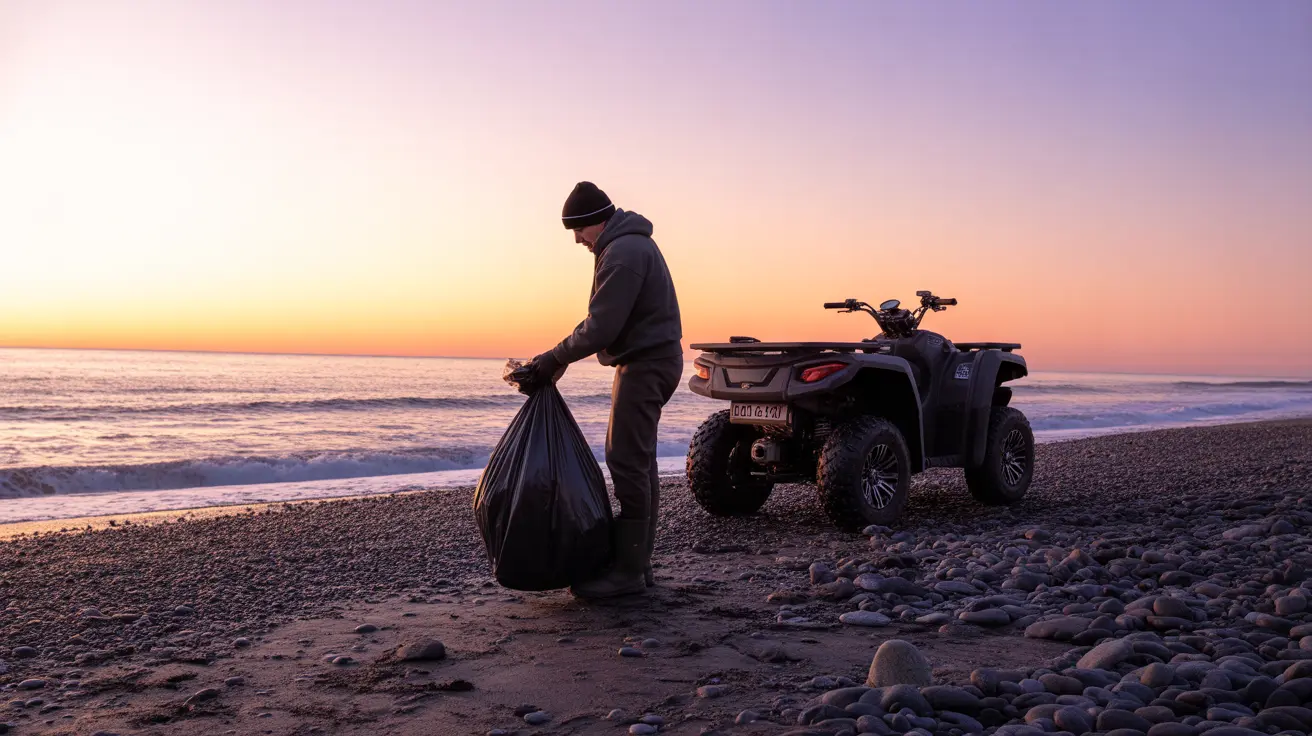
A disturbing Washington beach animal die-off has left researchers and coastal communities searching for answers after 21 marine animals were discovered dead along Washington's shoreline. The incident, which one observer described as resembling "the start of a horror movie," has raised serious concerns about the health of marine ecosystems along the Pacific Northwest coast.
This marine life decline Washington event highlights the fragile nature of coastal environments and the potential threats facing marine wildlife in the region. For pet owners who live near coastal areas or enjoy beach activities with their pets, understanding environmental risks becomes increasingly important for protecting both wild and domestic animals.
Understanding the Washington Coast Environmental Crisis
The recent discovery of 21 deceased animals along Washington beaches represents a significant marine wildlife mortality event that demands immediate attention from environmental authorities. Marine animal deaths of this scale can indicate underlying problems within ocean ecosystems that may affect the entire food chain.
Marine mammals Washington populations are particularly vulnerable to environmental changes, pollution, and disease outbreaks. These animals serve as important indicators of ocean health, and their sudden mortality often signals broader ecosystem problems that require investigation.
Potential Causes of Beach Wildlife Mortality
Ocean pollution Washington sources can take many forms, from chemical contaminants to plastic waste and oil spills. These pollutants can cause direct poisoning, habitat destruction, and food chain contamination that affects multiple species simultaneously.
Disease outbreaks represent another significant threat to marine populations. Bacterial infections, viral diseases, and parasitic infestations can spread rapidly through marine communities, particularly when animals are already stressed by environmental factors or nutritional deficiencies.
Environmental Factors and Ocean Contamination Causes
Climate change impacts, including rising water temperatures and changing ocean chemistry, can create conditions that stress marine life and make them more susceptible to disease. Algal blooms, often triggered by nutrient pollution, can produce toxins deadly to marine animals.
Industrial runoff, agricultural chemicals, and urban storm water can introduce harmful substances into marine environments. These ocean contamination causes often work in combination, creating complex challenges for wildlife conservation efforts.
Protecting Pets During Beach Ecosystem Crisis Events
Pet owners visiting coastal areas during environmental incidents should take extra precautions to protect their animals. Dogs and cats can be exposed to harmful substances through contact with contaminated sand, water, or deceased marine life.
Always keep pets on leashes near beaches experiencing die-off events, and prevent them from drinking ocean water or investigating dead animals. Rinse pets thoroughly with fresh water after beach visits to remove potential contaminants from their fur and paws.
Washington Coast Conservation Efforts
Local environmental agencies and wildlife organizations are working to investigate this marine mortality event and implement protective measures for remaining wildlife populations. These efforts include water quality testing, necropsy examinations, and habitat restoration projects.
Community involvement plays a crucial role in marine conservation. Residents can contribute by participating in beach cleanups, reporting unusual wildlife behavior or deaths, and supporting policies that protect marine environments from pollution and development pressures.
Monitoring and Prevention Strategies
Early detection systems help identify environmental threats before they cause widespread mortality events. Regular monitoring of water quality, wildlife populations, and pollution sources allows authorities to respond quickly to emerging problems.
Prevention strategies focus on reducing pollution sources, protecting critical habitats, and maintaining healthy marine ecosystems through sustainable practices. Education programs help communities understand their role in marine conservation and environmental protection.
Frequently Asked Questions
- What caused the recent die-off of animals on the Washington beaches?
The specific cause of the recent animal die-off on Washington beaches has not been confirmed, but potential factors include pollution, disease, or environmental changes affecting marine life.
- Which types of animals were affected in the Washington beach die-off?
The affected animals primarily include marine mammals, birds, and other marine species that inhabit the Washington coast.
- Is there an ongoing investigation into the Washington marine animal mortality event?
Yes, local environmental agencies and wildlife organizations are investigating the incident to determine the causes and impacts.
- How can pollution impact marine life along the Washington coast?
Pollution can lead to habitat degradation, poisoning, disease, and other health issues that cause increased mortality among marine species.
- What can residents do to help protect marine life on the Washington beaches?
Residents can reduce pollution, participate in beach cleanups, report stranded animals, and support conservation initiatives.
Moving Forward
The Washington beach animal die-off serves as a stark reminder of the interconnected nature of marine ecosystems and the importance of environmental stewardship. As investigations continue, the incident underscores the need for continued vigilance in protecting our coastal environments for future generations of both wildlife and pets.
Pet owners and coastal communities must remain informed about environmental risks and work together to support conservation efforts that protect marine life and maintain healthy ocean ecosystems throughout the Pacific Northwest region.




