
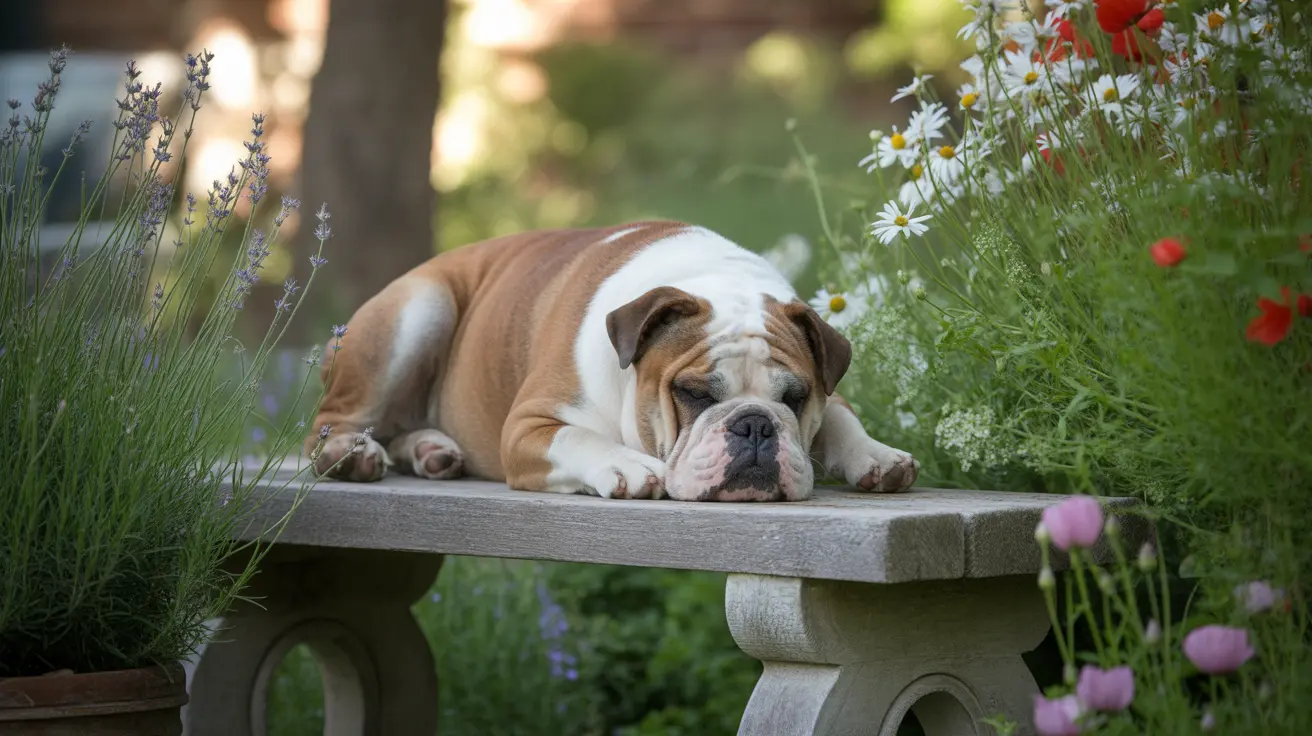
The name “bulldog” literally means “bull dog,” referring to their role in controlling bulls. Early records describe them as fierce, fearless, and determined animals, bred specifically for their ability to grip and not let go. Their short snouts and powerful jaws were not accidental traits; they were the result of selective breeding to maximize performance in the ring. Over time, these dogs became symbols of toughness and resilience, qualities that would later define not only the breed but also its cultural identity.
As bull-baiting gained popularity across England, bulldogs became a common sight at fairs and public gatherings. However, their reputation as fighters overshadowed their intelligence and loyalty. Despite their intimidating appearance, early bulldogs were known to be devoted to their handlers. This combination of ferocity in sport and gentleness at home laid the foundation for the breed’s enduring appeal, even after bull-baiting was outlawed.
From Blood Sport to Beloved Companion
When bull-baiting was banned in 1835 under the Cruelty to Animals Act, the bulldog’s original purpose vanished almost overnight. Many feared the breed would disappear, as its defining traits seemed tied to a violent past. Yet, dedicated breeders saw potential beyond the fighting ring. They began selectively breeding bulldogs for temperament rather than aggression, emphasizing loyalty, patience, and affection. The result was a dramatic transformation—from a fierce working dog to a gentle, dependable companion.
Victorian England played a crucial role in reshaping the bulldog’s image. The breed became a symbol of national pride, representing the British spirit of determination and courage. Artists and writers of the era often used the bulldog as a metaphor for steadfastness and resilience, particularly during times of political or military tension. This symbolic association persisted well into the 20th century, with the bulldog becoming an unofficial mascot for Britain itself.
As the breed’s temperament softened, its physical traits also evolved. Breeders favored a shorter muzzle, a broader chest, and a more compact frame. These changes made the bulldog less suited for physical contests but more appealing as a household pet. By the late 1800s, bulldogs were being exhibited at dog shows, and kennel clubs began formalizing breed standards. The modern bulldog, with its distinctive wrinkled face and calm demeanor, emerged from this period of reinvention.
Physical Traits That Reflect Their History
Even though today’s bulldogs are far removed from their bull-baiting ancestors, their bodies still tell the story of their origins. The breed’s muscular build, wide stance, and strong jaw are remnants of the traits that once made them formidable opponents in the ring. Their short muzzle, known as a brachycephalic feature, allowed them to breathe while maintaining a grip on a bull’s nose. Similarly, their loose skin and wrinkles helped protect vital areas from injury during fights.
Modern bulldogs retain these distinctive features, though they now serve aesthetic rather than functional purposes. Their low-slung bodies and stocky frames make them appear powerful yet endearing. However, these same traits can lead to health challenges, such as breathing difficulties and joint issues. Responsible breeders today focus on improving the breed’s overall health while preserving its characteristic look and gentle temperament.
Understanding these physical traits helps explain why the name “bulldog” remains so fitting. The breed’s appearance still evokes strength and determination, qualities that have defined it for centuries. Even as bulldogs have transitioned from working dogs to family pets, their form continues to honor their historical role and the resilience that made them legendary.
The Bulldog’s Cultural Legacy
Beyond their physical and historical significance, bulldogs hold a powerful place in cultural symbolism. In Britain, they came to represent national fortitude, especially during wartime. The image of the bulldog—sturdy, unyielding, and brave—was famously associated with Prime Minister Winston Churchill during World War II. This connection reinforced the idea of the bulldog as a national icon, embodying the spirit of perseverance in the face of adversity.
In the United States, the bulldog found a new identity as a mascot for schools, sports teams, and even military units. Its tough yet loyal image made it a natural emblem for organizations that valued courage and determination. Universities such as Yale and Georgetown adopted the bulldog as their symbol, further cementing its reputation as a figure of strength and pride. The breed’s global popularity today owes much to these cultural associations, which highlight its enduring appeal across generations.
Despite its storied past, the bulldog’s modern role is far gentler. They are known for their affectionate nature, patience with children, and calm disposition. These qualities make them ideal companions for families and individuals alike. The transformation from a fierce bull-baiter to a beloved household pet underscores the breed’s adaptability and the power of human compassion to reshape even the most formidable of creatures.
Modern Care and Ethical Breeding
Today’s bulldogs require thoughtful care and responsible breeding practices to ensure their health and well-being. Because of their unique anatomy, they are prone to certain health issues, including respiratory problems, overheating, and joint discomfort. Prospective owners should be aware of these challenges and choose breeders who prioritize health testing and ethical breeding standards. Reputable breeders aim to reduce exaggerated physical traits that compromise the dog’s quality of life while maintaining the breed’s signature look.
Proper care also involves regular veterinary checkups, a balanced diet, and moderate exercise. Bulldogs are not high-energy dogs, but they benefit from daily walks and playtime to maintain muscle tone and prevent obesity. Owners should also pay attention to skin folds, keeping them clean and dry to avoid infections. With attentive care, bulldogs can live comfortably and happily, often forming deep emotional bonds with their families.
As awareness of animal welfare grows, the bulldog’s story serves as a reminder of how human choices shape the destiny of a breed. From their origins in blood sport to their current status as cherished companions, bulldogs exemplify resilience and transformation. Their name, once tied to violence, now represents loyalty, courage, and love—a testament to how compassion can redefine even the toughest of histories.
The name “bulldog” carries centuries of history, from the brutal bull-baiting arenas of medieval England to the cozy living rooms of modern homes. What began as a label for a fierce working dog has evolved into a symbol of strength, loyalty, and affection. The bulldog’s journey mirrors humanity’s own progress toward empathy and ethical care for animals. By understanding where the name comes from and what it represents, we gain a deeper appreciation for this remarkable breed and the enduring bond between people and dogs.
FAQ
Why were bulldogs originally bred?
Bulldogs were originally bred in medieval England for the sport of bull-baiting, where dogs were used to subdue bulls by gripping their noses. This required immense strength, courage, and endurance. Their muscular build, broad shoulders, and short snouts were developed through selective breeding to perform this dangerous task effectively. After bull-baiting was banned in 1835, breeders began focusing on gentler temperaments, transforming the bulldog into the affectionate companion we know today. The breed’s name remains a reflection of its original purpose and physical design.
What does the name “bulldog” mean?
The name “bulldog” literally means “bull dog,” referring to the breed’s historical role in bull-baiting. The term highlights both their physical power and their association with bulls. Over time, the name took on symbolic meaning, representing courage, determination, and resilience. Even though bulldogs no longer engage in such activities, the name endures as a tribute to their strength and steadfast nature. It also serves as a reminder of how far the breed has come—from a working dog bred for combat to a gentle, loyal family pet.
When did bull-baiting become illegal?
Bull-baiting was officially outlawed in England in 1835 under the Cruelty to Animals Act. This legislation marked a turning point for bulldogs, as their primary purpose suddenly vanished. Many feared the breed would disappear, but dedicated breeders worked to preserve it by emphasizing gentler traits. This shift in focus led to the development of the modern bulldog, known for its affectionate and calm demeanor. The ban not only saved countless animals from suffering but also paved the way for the bulldog’s transformation into a beloved companion.
How did bulldogs become symbols of British pride?
During the 19th and 20th centuries, bulldogs became emblematic of British resilience and determination. Their tenacious spirit mirrored the national character, especially during times of conflict. Winston Churchill was often compared to a bulldog for his steadfast leadership during World War II, reinforcing the breed’s association with courage and perseverance. The bulldog’s image appeared in propaganda, art, and literature as a representation of the British people’s unyielding will. This cultural symbolism helped elevate the bulldog from a mere breed to a national icon recognized worldwide.
Are modern bulldogs related to their bull-baiting ancestors?
Yes, modern bulldogs are direct descendants of the dogs once used in bull-baiting, though their temperament and physical traits have been significantly refined. While they retain the muscular build and distinctive face of their ancestors, selective breeding has softened their behavior. Today’s bulldogs are gentle, affectionate, and well-suited to family life. However, their physical structure still reflects their history, with broad shoulders and a low stance that once provided stability during fights. This blend of historical strength and modern gentleness defines the breed’s unique charm.
What health issues are common in bulldogs?
Bulldogs are prone to several health challenges due to their distinctive anatomy. Common issues include breathing difficulties caused by their short snouts, joint problems, and skin infections in their wrinkles. They can also overheat easily because of their compact airways. Responsible breeders work to minimize these risks by avoiding extreme physical traits and prioritizing genetic health. Regular veterinary care, a balanced diet, and moderate exercise help maintain their well-being. With proper attention, bulldogs can lead comfortable, fulfilling lives despite their predispositions.
How should bulldog owners care for their pets?
Caring for a bulldog requires attention to their unique needs. Owners should provide a balanced diet, regular exercise, and frequent veterinary checkups. Because bulldogs are prone to overheating, they should avoid strenuous activity in hot weather. Their facial wrinkles need to be cleaned and dried regularly to prevent infections. Additionally, maintaining a healthy weight helps reduce strain on their joints. With consistent care and affection, bulldogs thrive as loyal, loving companions who enjoy spending time with their families.
Why are bulldogs popular as mascots?
Bulldogs are popular mascots because they symbolize strength, determination, and loyalty—qualities admired in sports teams, schools, and military units. Their tough appearance and courageous history make them ideal representations of perseverance and team spirit. Universities like Yale and the U.S. Marine Corps have long used bulldogs as mascots to embody resilience and pride. Beyond their symbolism, bulldogs’ calm and steady demeanor also makes them approachable, bridging the gap between fierceness and friendliness in public imagery.
How did the bulldog’s appearance change over time?
Early bulldogs were taller, leaner, and more athletic, built for the physical demands of bull-baiting. As the breed transitioned into a companion animal, breeders selected for shorter legs, broader chests, and more pronounced facial wrinkles. These changes created the compact, endearing look we associate with bulldogs today. However, some of these traits also introduced health challenges, prompting modern breeders to seek a balance between appearance and well-being. The bulldog’s evolving form reflects both its history and humanity’s shifting attitudes toward animal welfare.
What makes bulldogs such beloved pets today?
Bulldogs are cherished for their affectionate nature, loyalty, and calm temperament. They form strong bonds with their families and are particularly gentle with children. Their easygoing personality makes them well-suited for apartment living and urban environments. Despite their somewhat intimidating appearance, bulldogs are known for their loving and patient demeanor. Their history of resilience adds depth to their character, making them not only adorable companions but also enduring symbols of strength and devotion in the modern world.




