
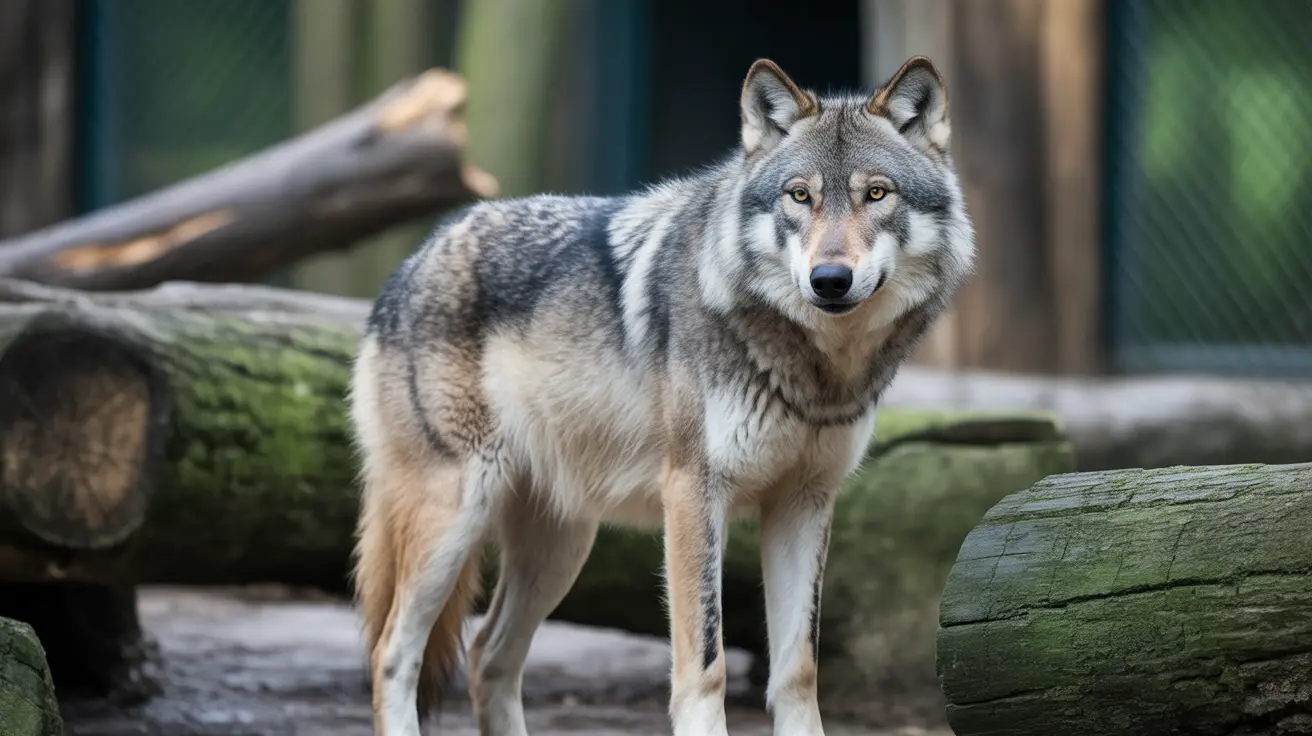
Wildwood Zoo officials are urgently asking visitors to stop throwing objects into animal exhibits after staff discovered a chewed-up dog toy in their wolf enclosure on Thursday. This concerning incident highlights the serious dangers that foreign objects can pose to zoo animals and underscores the importance of following strict visitor guidelines to protect wildlife.
The discovery of the dog toy in the wolf exhibit raises significant concerns about animal safety and visitor responsibility. When zoo guests throw items into enclosures, they unknowingly put animals at risk of injury, illness, or even death. This latest incident at Wildwood Zoo serves as a critical reminder that all visitors must respect zoo policies designed to protect both animals and guests.
Dangers of Throwing Food in Zoo Animals and Health Risks
Foreign objects like the dog toy found in the wolf exhibit can pose serious health risks to zoo animals. Wolves and other carnivores may attempt to chew or swallow unfamiliar items, leading to potential choking hazards, intestinal blockages, or toxic exposure. Unlike domestic pets, zoo animals have carefully managed diets that meet their specific nutritional needs.
Zoo nutrition for wolves is precisely calculated by veterinary nutritionists to ensure optimal health. When visitors introduce unauthorized items, it can disrupt this balance and cause digestive issues. Additionally, materials used in toys or other objects may contain chemicals or small parts that are harmful to wildlife.
Zoo Visitor Safety Rules and Proper Guidelines
Most reputable zoos, including Wildwood Zoo, have strict policies prohibiting visitors from feeding animals or throwing any objects into exhibits. These visitor guidelines exist for multiple reasons: protecting animal health, maintaining natural behaviors, and ensuring visitor safety. Feeding zoo animals prohibited items can lead to aggressive behavior as animals may begin to associate humans with food.
Proper zoo etiquette includes staying behind barriers, keeping hands and objects to yourself, and observing animals respectfully from designated viewing areas. Parents should closely supervise children and explain why it's important not to throw anything into animal enclosures, even items that might seem harmless.
Wolf Health Monitoring and Exhibit Safety
Following the dog toy discovery, zoo staff will likely increase monitoring of the wolf exhibit to ensure no animals consumed harmful materials. Professional zookeepers are trained to recognize signs of distress or illness in animals under their care. This incident demonstrates the vigilance required to maintain animal exhibit safety.
Wolves in captivity require specialized care that mimics their natural habitat while ensuring their safety in a controlled environment. Any foreign object in their space can disrupt their normal behavior patterns and potentially cause physical harm. Zoo wolf monitoring includes regular health checks and careful observation of eating habits and general behavior.
Protecting Zoo Animals Through Responsible Behavior
The incident at Wildwood Zoo serves as an important educational moment for all zoo visitors. While the intention behind throwing objects may not be malicious, the consequences can be severe for the animals involved. Zoos play a crucial role in wildlife conservation and education, but they can only succeed when visitors follow established guidelines.
Pet owners visiting zoos should understand that zoo animals have very different needs from domestic pets. What might be a safe toy for a dog at home can become a dangerous hazard for a wild animal in captivity. This distinction is crucial for maintaining the health and safety of zoo residents.
Frequently Asked Questions
Why did Wildwood Zoo ask visitors to stop throwing objects into the wolf exhibit?
Zoo staff discovered a chewed-up dog toy in the wolf exhibit on Thursday, prompting concerns about animal safety. Throwing any objects into animal enclosures can pose serious health risks including choking hazards, intestinal blockages, and exposure to harmful materials.
What health risks do foreign objects like dog toys pose to zoo wolves?
Foreign objects can cause choking, intestinal obstructions, or toxic exposure if consumed. Wolves may attempt to chew or swallow unfamiliar items, disrupting their carefully managed diet and potentially causing serious digestive issues or requiring emergency veterinary intervention.
Can you feed food to animals at Wildwood Zoo, and what are the rules?
No, feeding zoo animals is strictly prohibited. Zoo animals receive precisely calculated diets designed by veterinary nutritionists. Unauthorized feeding can disrupt their nutrition, cause aggressive behavior, and potentially harm their health with inappropriate or contaminated food items.
Why is it dangerous to throw human food into zoo animal enclosures?
Human food can make zoo animals sick, create dependency on visitors for food, and encourage aggressive behavior toward guests. Additionally, many human foods are toxic to wildlife, and feeding can disrupt natural behaviors that zoos work to preserve.
What are Wildwood Zoo's policies on visitor behavior around animal exhibits?
Wildwood Zoo, like most accredited facilities, prohibits throwing any objects into exhibits, feeding animals, and crossing safety barriers. These policies protect both animals and visitors, ensuring a safe environment where wildlife can thrive while providing educational opportunities for guests.
Conclusion
The dog toy incident at Wildwood Zoo reminds us that responsible zoo visitation requires more than just observation—it demands respect for the animals and adherence to safety guidelines. By following zoo policies and educating others about proper behavior, visitors can help ensure that these important conservation facilities continue to provide safe havens for wildlife while offering valuable learning experiences for families.
As pet owners and animal lovers, we have a responsibility to set positive examples when visiting zoos and wildlife facilities. Simple actions like keeping objects secure and supervising children can make the difference between a safe, enjoyable visit and a potentially dangerous situation for the animals we came to appreciate and learn about.




