
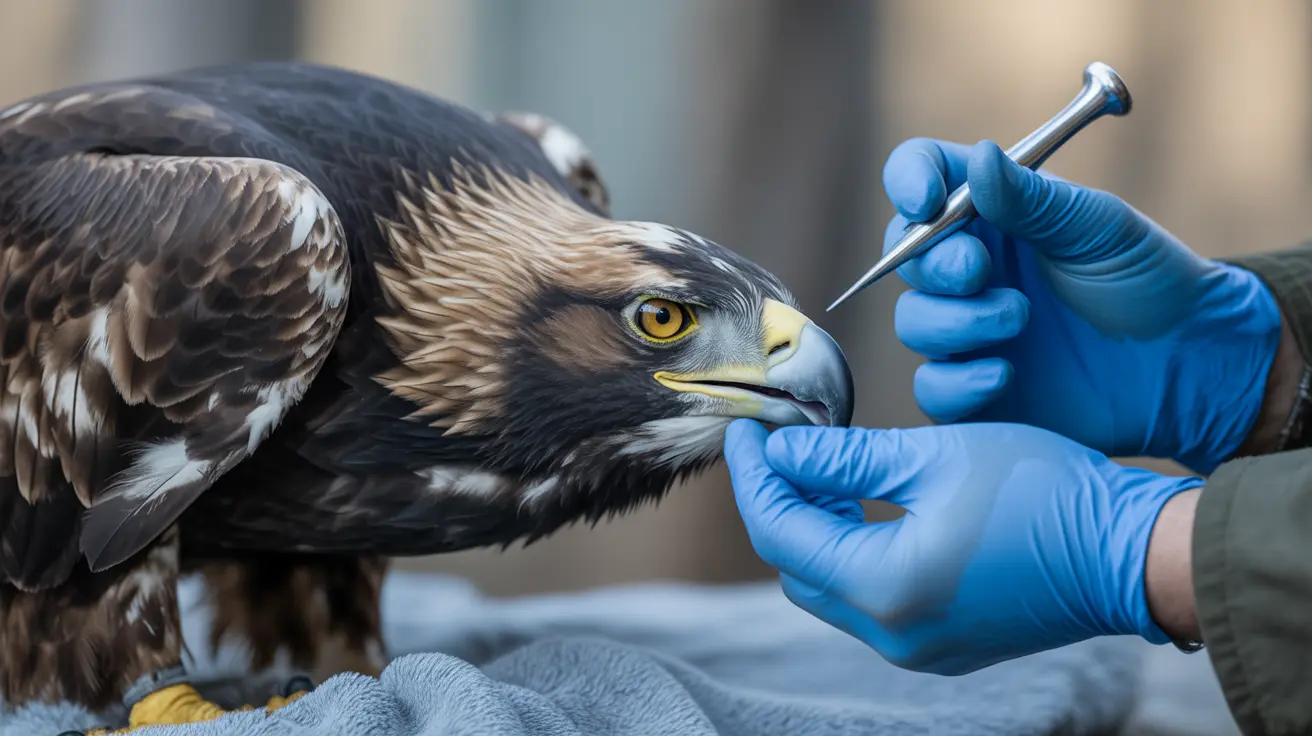
Winter Storm Fern has unleashed devastating conditions across Pennsylvania, creating a wildlife emergency that's overwhelming regional animal rehabilitation centers. The heavy snowfall and extended cold spell have proven particularly deadly for vulnerable species like birds and bats, with rehabilitators reporting an unprecedented surge of emaciated and hypothermic animals requiring immediate care.
This extreme weather event highlights the critical challenges wild animals face during severe winter conditions, when food sources become scarce and energy demands for survival increase dramatically. For pet owners and wildlife advocates, understanding these impacts can help inform rescue efforts and wildlife protection strategies during harsh weather events.
Regional Wildlife Crisis Unfolds
Animal rehabilitation centers across Pennsylvania are experiencing a dramatic increase in wildlife rescues following Winter Storm Fern's impact. The prolonged snow cover has made it nearly impossible for many species to access their natural food sources, leading to widespread malnutrition and starvation among local wildlife populations.
Birds have been particularly affected by the snow pack animal starvation conditions. Ground-feeding species cannot reach seeds, insects, or other food sources buried beneath thick layers of snow. Even tree-dwelling birds struggle when branches remain heavily laden with snow and ice for extended periods, making foraging extremely difficult.
Bat Hypothermia and Cold Spell Challenges
The extended cold temperatures have created severe problems for bat populations throughout the region. Bats typically enter torpor during winter months to conserve energy, but the extreme cold can cause hypothermic wildlife situations that threaten their survival. When temperatures drop too low for too long, bats may exhaust their fat reserves before spring arrives, leading to potentially fatal conditions.
Wildlife rehabilitation centers report treating numerous cases of bat hypothermia, with many animals arriving in critical condition. The extended duration of Winter Storm Fern's impact has made recovery particularly challenging for these vulnerable mammals.
Zoo Animals Weather Protection
While wild animals struggle with the harsh conditions, managed animal populations have fared better during the storm. The Pittsburgh Zoo and other facilities implemented comprehensive winter weather protocols to protect their animals from extreme conditions. Zoo animals typically have access to heated shelters, supplemental feeding, and veterinary care that wild populations lack.
Many zoos adjusted animal care routines during Winter Storm Fern, bringing cold-sensitive species indoors and providing additional enrichment for animals that couldn't access outdoor areas due to dangerous conditions.
Volunteer Animal Rescue Winter Efforts
The surge in wildlife rescues has created an urgent need for volunteer support at rehabilitation centers across Pennsylvania. Many facilities are seeking additional foster homes for recovering animals, as well as volunteers to help with feeding, cleaning, and basic care tasks.
Animal rescues are also coordinating with local communities to establish temporary warming stations and food sources for wildlife. These efforts can make a significant difference for animals struggling to survive the extended cold spell.
How Pet Owners Can Help
Pet owners can contribute to wildlife protection efforts during extreme weather events by creating safe spaces in their yards. Simple actions like keeping bird feeders filled, providing unfrozen water sources, and clearing snow from feeding areas can help sustain local wildlife populations during harsh conditions.
However, it's important to contact professional rehabilitators rather than attempting to rescue wildlife independently. Improperly handled animals may suffer additional stress or injury, and many species require specialized care that only trained professionals can provide.
Frequently Asked Questions
How does heavy snow from Winter Storm Fern affect local birds and bats in Pennsylvania?
Heavy snow creates multiple challenges for wildlife. Birds cannot access ground-level food sources when snow cover persists, leading to malnutrition. Bats face hypothermia risks when extended cold temperatures force them to use energy reserves faster than normal, potentially before natural food sources return in spring.
What should I do if I find emaciated or hypothermic wildlife after a winter storm?
Contact your local wildlife rehabilitation center immediately rather than attempting rescue yourself. Professional rehabilitators have the training and equipment needed to safely handle stressed wildlife. Keep the animal warm and quiet while waiting for professional help, but avoid direct contact or feeding attempts.
How are wildlife rehabilitation centers handling the surge of animals impacted by extreme cold and snow?
Rehabilitation centers are coordinating emergency response efforts, including recruiting additional volunteers and establishing foster care networks. Many facilities are operating beyond normal capacity and actively seeking community support through donations, volunteer hours, and temporary animal housing.
Looking Forward
As Winter Storm Fern's immediate impacts begin to subside, the recovery period will be crucial for affected wildlife populations. The collaboration between professional rehabilitators, volunteers, and concerned community members demonstrates the importance of coordinated wildlife protection efforts during extreme weather events. Supporting these ongoing efforts helps ensure that Pennsylvania's diverse wildlife populations can recover and thrive despite the challenges posed by severe winter conditions.




