
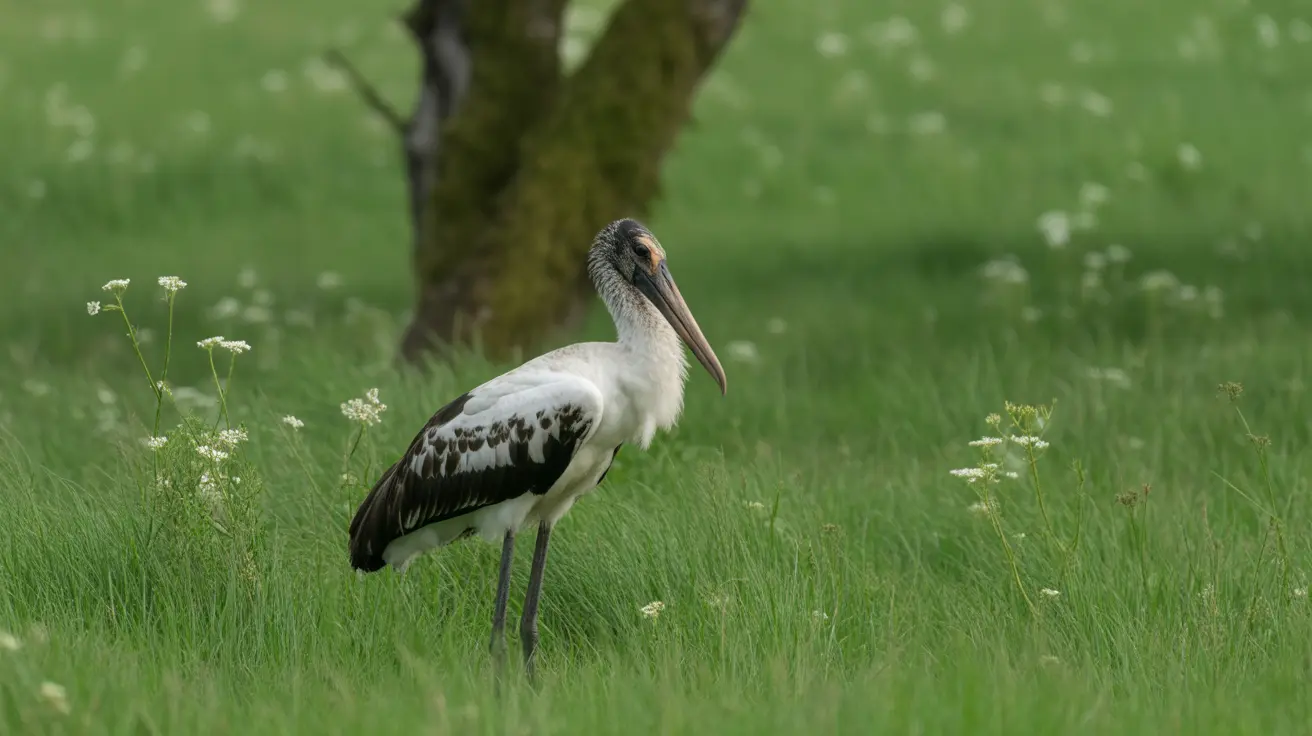
Wood Stork Population Recovery Marks Conservation Success
The wood stork delisting represents one of the most significant conservation victories in recent Florida history. Once teetering on the brink of extinction, wood stork populations have rebounded sufficiently to warrant removal from the Endangered Species Act's protection list. This recovery demonstrates the effectiveness of targeted conservation efforts, habitat restoration, and regulatory protections that have been in place for decades.
The wood stork's journey from endangered status to recovery required extensive collaboration between federal agencies, state wildlife officials, and conservation organizations. These large wading birds, known for their distinctive appearance and unique feeding behavior, serve as important indicators of wetland ecosystem health throughout the southeastern United States.
New Protections for Florida Keys Reptiles
Florida Keys Mole Skink and Rim Rock Crowned Snake Protection
Among the species receiving new protections are several rare reptiles endemic to the Florida Keys, including the Florida Keys mole skink and the Rim Rock crowned snake. These small but ecologically important species face mounting pressures from habitat loss, development, and climate change impacts that threaten their survival in the unique pine rockland ecosystems of South Florida.
Key Ring-Necked Snake Habitat Preservation
The Key ring-necked snake habitat will also receive enhanced federal protections under the settlement. These secretive serpents require specific microhabitat conditions found only in the remaining fragments of South Florida's native ecosystems. Critical habitat designation will help ensure these areas receive appropriate consideration during environmental reviews of proposed development projects.
South Florida Pine Rocklands Plants Gain Federal Protection
Several rare plant species endemic to South Florida pine rocklands ecosystems will benefit from the new protections. The Everglades bully plant and Florida prairie clover protection measures address the urgent conservation needs of these botanical treasures that have become increasingly rare due to habitat conversion and fragmentation.
Pine rockland ecosystems represent some of the most biodiverse and endangered habitats in North America, supporting numerous endemic species that exist nowhere else on Earth. These plant communities have been reduced to less than 2% of their historic range, making federal protection critical for preventing extinctions.
Sea-Level Rise and Climate Challenges
Sea-level rise Keys habitat loss poses an unprecedented threat to many of the newly protected species. Rising waters, increased storm surge, and saltwater intrusion are already impacting the low-lying areas where these species make their homes. Climate adaptation strategies will be essential components of the species recovery plans developed under the new protections.
Environmental groups and scientists have emphasized that traditional conservation approaches must evolve to address these emerging threats. Protecting existing habitat while simultaneously identifying and securing potential refuge areas will be crucial for long-term species survival.
Implications for Development and Land Use
The wood stork threats wetlands consideration will continue even after delisting, as the species will require ongoing monitoring and habitat protection measures. Development projects in Florida and Georgia wetlands will still need to consider potential impacts on wood stork populations, though the regulatory framework may shift following the delisting process.
For South Florida residents and pet owners, these changes may affect local development patterns and land use decisions. Critical habitat designation Florida requirements will influence how future projects are planned and implemented, particularly in sensitive ecological areas.
Frequently Asked Questions
- Why is the wood stork being removed from the endangered species list?
The wood stork is being delisted because its population has recovered sufficiently to no longer meet the criteria for endangered status under the Endangered Species Act. Successful conservation efforts, habitat restoration, and protective regulations have helped the species rebound from critically low numbers to stable populations throughout its range.
- What protections are coming for Florida Keys reptiles like the mole skink and Rim Rock crowned snake?
These rare reptiles will receive federal protection under the Endangered Species Act, including critical habitat designation and regulatory oversight of activities that could harm the species or their habitats. This protection will help prevent further population declines and support recovery efforts.
- How does sea-level rise threaten rare plants in South Florida pine rocklands?
Sea-level rise causes saltwater intrusion into freshwater systems, changes soil chemistry, and increases the frequency of storm surge events that can damage or destroy pine rockland plant communities. These low-lying ecosystems are particularly vulnerable to even modest increases in sea level, making climate adaptation a critical component of conservation planning.
Looking Forward
The finalization of these protections represents a balanced approach to conservation that celebrates success while acknowledging ongoing challenges. As South Florida continues to face pressures from development and climate change, these regulatory frameworks will serve as important tools for preserving the region's unique biodiversity for future generations.
Pet owners and wildlife enthusiasts can contribute to these conservation efforts by supporting habitat restoration projects, participating in citizen science programs, and advocating for responsible development practices that consider wildlife needs alongside human activities.




