
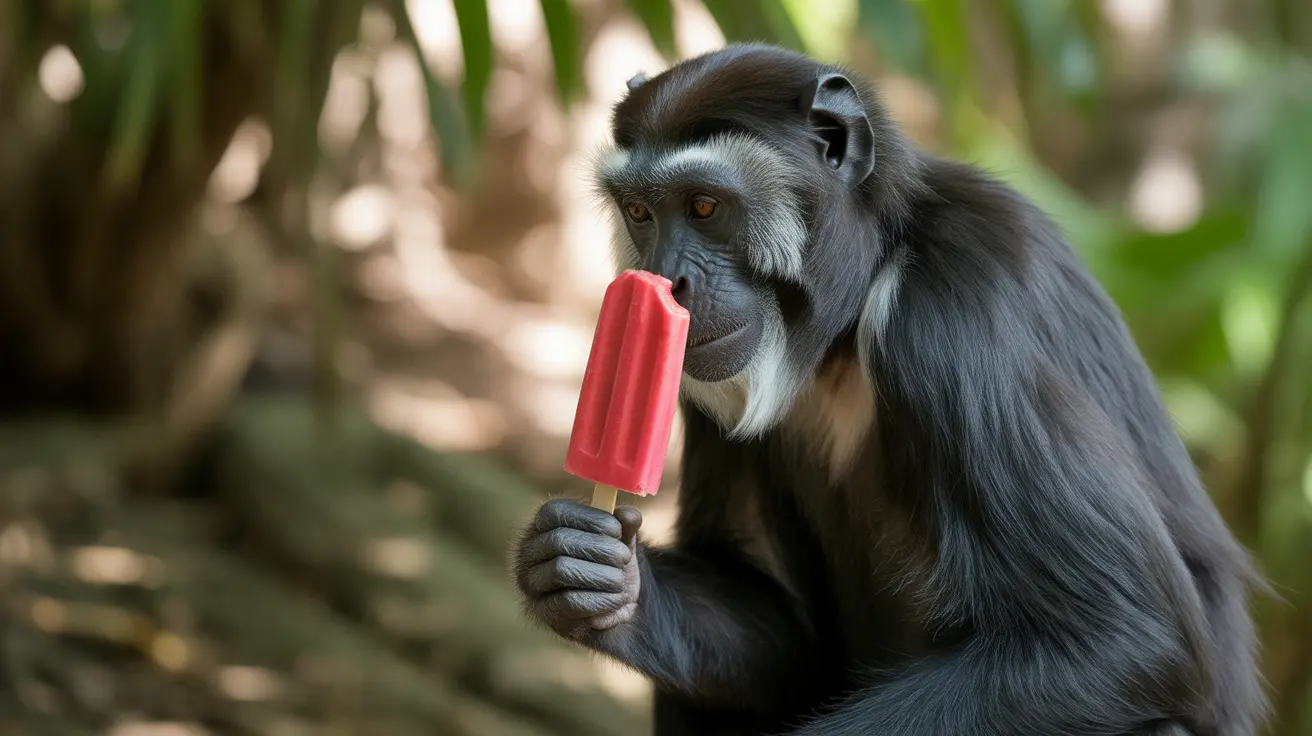
As extreme temperatures soar above 40°C (104°F) in Rio de Janeiro during Brazil's intense summer season, the city's BioParque zoo has implemented creative cooling strategies to ensure animal welfare. Zoo animals heat relief has become a top priority, with staff preparing specialized frozen treats and popsicles to help residents cope with the dangerous heat wave sweeping across the region.
This innovative approach to animal care during extreme weather demonstrates how modern zoos adapt their practices to protect wildlife from climate-related stress. The cooling program at BioParque offers valuable insights for pet owners facing similar summer heat challenges with their own animals.
Frozen Treats for Zoo Animals: A Lifesaving Innovation
The BioParque Rio popsicles program represents a sophisticated approach to animal enrichment during extreme weather events. Zoo staff carefully craft species-specific frozen treats designed to provide both cooling relief and nutritional benefits. These aren't simple ice cubes—each frozen creation is tailored to meet the dietary needs and preferences of different animal species.
The program includes jaguar chicken popsicles, which combine the big cats' favorite protein source with the cooling properties of ice. Meanwhile, primates enjoy monkey watermelon ice treats that provide hydration and natural sugars while helping them regulate their body temperature. This targeted approach ensures that extreme heat zoo cooling measures align with each species' natural dietary requirements.
Animal Enrichment During Heatwave Conditions
Beyond simple temperature regulation, these frozen treats serve as environmental enrichment that stimulates natural behaviors and mental engagement. When temperatures reach dangerous levels, animals may become lethargic or stressed, making it crucial to provide activities that encourage movement and exploration.
The species-specific iced diets created at BioParque encourage animals to use their natural foraging instincts, even during extreme heat. Large cats must work to access the frozen chicken, while primates manipulate and explore their icy watermelon treats, maintaining cognitive stimulation despite the challenging weather conditions.
Zoo Heat Stress Prevention Strategies
Professional zoo heat stress prevention extends far beyond frozen treats. Modern facilities implement comprehensive cooling systems including misting stations, shaded areas, and climate-controlled indoor spaces. However, the Brazil zoo summer heat program at BioParque demonstrates how creative enrichment can complement these basic infrastructure elements.
The icy treats hydration animals program serves multiple purposes: providing essential moisture, delivering nutrients, and offering behavioral stimulation. This multi-faceted approach helps animals maintain normal activity levels and reduces the psychological stress that can accompany extreme weather events.
Climate Change Zoo Practices and Future Planning
As global temperatures continue to rise, zoos worldwide are developing new strategies to protect their animal collections. The innovative cooling methods observed at BioParque represent broader climate change zoo practices that prioritize adaptive management and creative problem-solving.
These evolving practices influence how pet owners can approach summer care for their own animals. The principles of species-specific cooling, hydration prioritization, and behavioral enrichment during heat alerts translate directly to domestic animal care.
Pet Frozen Treats Summer Applications
Pet owners can learn from professional zoo practices when creating heat alert animal welfare protocols at home. Simple frozen treats made from pet-safe ingredients like plain chicken broth, watermelon pieces, or specialized pet food can provide similar cooling benefits for dogs and cats during extreme temperatures.
Always consult with veterinarians before introducing new treats, especially during stressful weather conditions. Monitor pets for signs of heat exhaustion including excessive panting, drooling, or lethargy, and provide immediate cooling measures when necessary.
Frequently Asked Questions
How do zoos keep animals cool during extreme heat like 40°C temperatures?
Zoos use comprehensive cooling strategies including misting systems, climate-controlled indoor spaces, shaded areas, and innovative frozen treat programs. Staff monitor animals closely and provide species-specific cooling solutions like frozen food puzzles and ice blocks containing favorite foods.
What kinds of frozen treats do zoo animals get in hot weather, like jaguars and monkeys?
Zoo animals receive species-specific frozen treats tailored to their dietary needs. Jaguars might receive frozen chicken or meat-based popsicles, while monkeys enjoy frozen fruit treats made with watermelon, grapes, or other safe fruits mixed with water or natural juices.
Can pet owners make safe frozen treats at home for dogs or cats in summer heat?
Yes, pet owners can create safe frozen treats using pet-approved ingredients like plain chicken broth, pureed pumpkin, or small pieces of pet-safe fruits. Always avoid toxic ingredients like grapes, chocolate, or artificial sweeteners, and consult your veterinarian before introducing new foods during stressful weather conditions.
Conclusion
The creative cooling program at Rio's BioParque demonstrates how modern animal care adapts to meet the challenges of extreme weather. By combining scientific understanding with innovative enrichment strategies, zoos protect their animals while maintaining high welfare standards during Brazil's intense summer heat.
Pet owners facing similar temperature challenges can draw inspiration from these professional practices, creating safe cooling strategies that prioritize both physical comfort and mental stimulation for their beloved companions during the hottest months of the year.




