
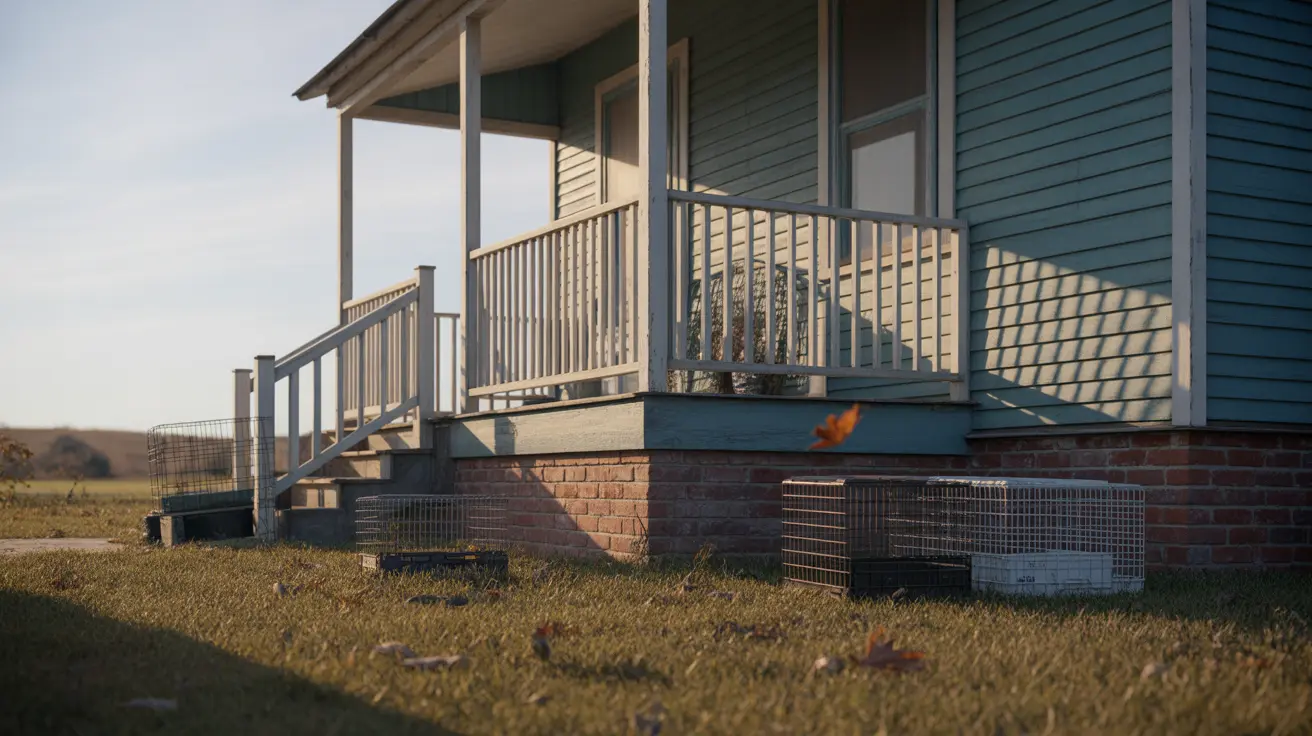
Understanding Animal Hoarding and Its Impact
Animal hoarding represents one of the most complex forms of animal cruelty, often involving individuals who accumulate more pets than they can properly care for. Unlike intentional cruelty, hoarding typically stems from underlying mental health issues that prevent individuals from recognizing the harm they're causing to the animals in their care.
The Pitt County animal hoarding case demonstrates how quickly situations can spiral out of control, with over 100 animals found in conditions that likely compromised their health and wellbeing. These cases often involve a gradual accumulation of animals over time, with caretakers believing they're helping while actually creating dangerous living conditions.
Signs of Animal Hoarding in Communities
Recognizing the early warning signs of animal hoarding can help prevent situations like the one involving Donna Edwards from escalating. Common indicators include:
- Strong odors emanating from a property
- Visible accumulation of animal waste
- Reports of numerous animals on a single property
- Deteriorating property conditions
Neighbors might notice excessive numbers of animals coming and going, or observe animals that appear malnourished or in poor health.
Rural animal hoarding cases can be particularly challenging to detect due to increased privacy and distance between properties, making community awareness even more critical for animal welfare.
Legal Consequences and North Carolina Animal Neglect Laws
The animal cruelty charges filed against Edwards reflect North Carolina's serious approach to animal welfare violations. The state's animal protection laws recognize that hoarding situations often result in severe neglect, even when perpetrators claim good intentions.
Hoarding felony penalties in North Carolina can include significant jail time, substantial fines, and lifetime bans on animal ownership. The six-figure bond set in this case indicates the severity with which authorities view the alleged neglect of over 100 animals.
The Path Forward for Rescued Animals
Following large-scale hoarding cases, rescued animals typically face a long road to recovery. These animals often require extensive veterinary care, behavioral rehabilitation, and patient socialization before they can be considered for adoption.
Animal welfare organizations and rescue groups play crucial roles in hoarded animal rehabilitation, providing specialized care for animals that may have never received proper veterinary attention, adequate nutrition, or appropriate human interaction. The recovery process can take months or even years, depending on the severity of neglect and the individual animal's resilience.
Preventing Animal Hoarding Through Community Awareness
Prevention strategies focus on education, early intervention, and addressing the underlying mental health issues that often contribute to hoarding behaviors. Community members can help by staying alert to warning signs and understanding that hoarding mental health connections require compassionate but firm intervention.
Pet ownership education emphasizes responsible breeding practices, spaying and neutering programs, and realistic assessments of one's ability to provide adequate care. Supporting local animal welfare organizations and understanding proper pet care standards helps create communities where animal hoarding is less likely to develop unnoticed.
Frequently Asked Questions
What are the signs of animal hoarding in a neighbor's home?
Key warning signs include strong animal odors, excessive numbers of animals visible on the property, deteriorating property conditions, animals appearing malnourished or in poor health, and accumulation of animal waste. Multiple animals coming and going from a single residence can also indicate a hoarding situation.
How can I report suspected animal neglect or hoarding to authorities in North Carolina?
Contact your local animal control office, sheriff's department, or the county's animal services division. You can also reach out to the North Carolina Department of Agriculture's Animal Welfare Section. Provide specific observations and the property address when making reports.
What are the legal penalties for animal cruelty due to hoarding in NC?
North Carolina treats severe animal hoarding as a felony offense, which can result in significant jail time, substantial fines, and permanent restrictions on animal ownership. Penalties depend on the severity of neglect and the number of animals involved.
Why do people hoard animals, and is it linked to mental health issues?
Animal hoarding often stems from underlying mental health conditions, including depression, anxiety, obsessive-compulsive tendencies, and attachment disorders. Hoarders typically believe they're rescuing or helping animals, but lack the resources or insight to provide adequate care.
Conclusion
The Pitt County animal hoarding case serves as a stark reminder of the importance of community vigilance in protecting animal welfare. While Donna Edwards faces serious animal cruelty charges, the focus now turns to rehabilitating the rescued animals and preventing similar situations in the future.
By understanding the signs of animal hoarding and knowing how to report concerns to authorities, community members can play a vital role in protecting vulnerable animals and ensuring that pet ownership remains a source of joy and companionship rather than suffering and neglect.




