
PetsCare · San Francisco
Capybaras Return to San Francisco Zoo After Nearly a Decade
Two young capybara siblings join the zoo, delighting visitors and staff alike

The San Francisco Zoo has welcomed two capybara siblings, marking the return of these gentle giants after almost a decade. Visitors can now meet the world’s largest rodents once again.
San Francisco is celebrating the arrival of two new residents at its beloved zoo. According to Inshorts, the San Francisco Zoo has welcomed a pair of capybara siblings—both just four months old—making it the first time in nearly a decade that these gentle giants have been part of the zoo’s animal family. This exciting news has generated a wave of enthusiasm among zoo visitors, animal lovers, and staff, as capybaras are known for their unique charm and engaging personalities.
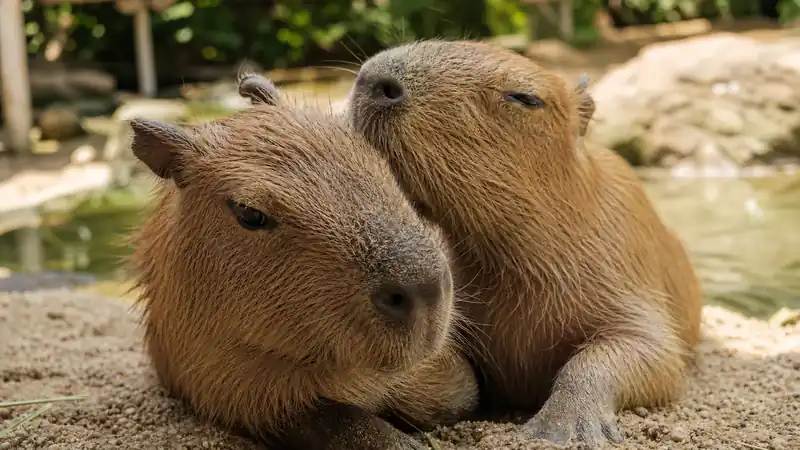
The capybara siblings, whose names have not yet been officially announced, are already drawing crowds. Their playful interactions and calm demeanor are quickly making them favorites among guests. The zoo’s decision to bring back capybaras follows a long absence, and the return of these animals is being met with considerable excitement, as reported by Inshorts.
Capybaras are notable for being the largest rodents in the world. Native to South America, they can weigh over 100 pounds as adults and are easily recognized by their barrel-shaped bodies, short fur, and expressive faces. In the wild, capybaras are highly social creatures, often living in groups near rivers, lakes, and wetlands. Their webbed feet and affinity for water make them excellent swimmers, and they spend much of their time in and around aquatic environments to stay cool and safe from predators.
At just four months old, the new capybara siblings at the San Francisco Zoo are still growing and adjusting to their surroundings. The zoo has designed their enclosure to mimic the natural habitats capybaras favor in the wild, complete with water features for swimming and plenty of space for exploration. This thoughtful environment allows the young rodents to display their natural behaviors, such as swimming, socializing, and foraging.
Visitors to the zoo can observe the capybaras as they explore their new home, interact with each other, and enjoy daily routines. Watching these animals up close offers a unique educational experience, especially for children and families interested in animal behavior and conservation. Capybaras are known for their gentle, peaceful nature, and their ability to coexist with a variety of other species. In some zoos and wildlife parks, capybaras are even housed alongside birds and smaller mammals, thanks to their social and tolerant disposition.
The return of capybaras to the San Francisco Zoo after almost ten years is not just a treat for visitors—it also serves as an opportunity to raise awareness about the needs and conservation of exotic species. While capybaras are not currently endangered, their habitats in South America face ongoing threats from deforestation and human activity. Zoos play a key role in educating the public about these issues and in supporting the well-being of animals that may not thrive in the wild due to environmental pressures.
For those who are captivated by the capybara siblings, it’s important to remember that while these animals are friendly and fascinating, they have very specific care requirements. Capybaras need access to water for swimming, plenty of space to roam, and social interaction with their own kind. These needs make them unsuitable as pets for most households, but ideal candidates for well-equipped zoos and wildlife sanctuaries where their health and happiness can be ensured.
What this means for pet owners
The arrival of capybaras at the San Francisco Zoo is a wonderful reminder of the diversity of the animal kingdom and the importance of understanding the unique needs of every species. While capybaras are delightful to observe, they require specialized care that most pet owners cannot provide. If you’re interested in learning more about exotic animals or supporting their care, consider visiting your local zoo, volunteering, or contributing to wildlife conservation efforts. And for any questions about animal care or considering a new pet, always consult with a veterinarian to ensure you’re making the best choice for your family and the animal.
Frequently asked questions
Why has the San Francisco Zoo brought capybaras back after nearly a decade?
The San Francisco Zoo reintroduced capybaras after almost ten years to enrich their animal family and provide visitors with an educational experience about these unique creatures. Their return also helps raise awareness about capybara conservation and the importance of protecting their natural habitats in South America.
What kind of environment does the San Francisco Zoo provide for the capybaras?
The zoo has created an enclosure that mimics the capybaras' natural habitat, including water features for swimming and ample space for exploration. This setup allows the young capybaras to exhibit natural behaviors like swimming, socializing, and foraging, which are essential for their well-being.
Are capybaras friendly and suitable as pets?
Capybaras are known for their gentle and peaceful nature, often coexisting well with other species. However, they have very specific care needs, such as access to water for swimming, social interaction, and large roaming spaces, making them unsuitable as pets for most households. They thrive best in zoos or wildlife sanctuaries equipped to meet these needs.
What can visitors expect when observing the capybaras at the San Francisco Zoo?
Visitors can watch the capybara siblings interact playfully, explore their enclosure, and engage in natural behaviors like swimming and socializing. This offers a unique educational opportunity for families and animal lovers to learn about capybaras' social habits and conservation.
Are capybaras endangered and why is conservation important?
Capybaras are not currently endangered, but their natural habitats in South America face threats from deforestation and human activity. Conservation efforts, including those supported by zoos like the San Francisco Zoo, are important to protect these habitats and ensure the species' long-term survival.
PetsCare article written from several public news reports. Preview — not indexed.