
PetsCare · Chicago
Chicago Anti-Cruelty Shelter Cares for Dozens of Rescued Lemont Dogs
Shelter welcomes 33 dogs after major rescue from unsafe suburban home
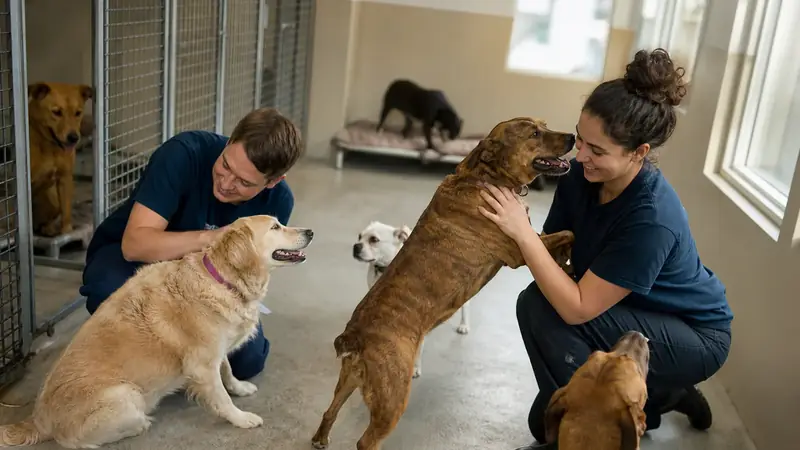
Chicago’s Anti-Cruelty shelter has welcomed 33 dogs after a large-scale rescue from a Lemont home. Many of the dogs are undersocialized and will need extra care as they adjust to their new environment.
In a remarkable display of community effort, Chicago’s Anti-Cruelty shelter has welcomed 33 dogs after a large-scale rescue operation in Lemont, Illinois. As reported by NBC Chicago, these dogs were among approximately 76 animals removed from a suburban home that had become overwhelmed by unsafe, hoarder-like conditions. The rescue highlights both the challenges and the compassion involved in helping animals in need.
The situation unfolded when Lemont police executed a search warrant at a property on the 800 block of McCarthy Road. The warrant was related to a Firearms Restraining Order, but officers soon discovered a much larger problem: dozens of dogs living in crowded, unsanitary conditions. According to NBC Chicago, authorities found grime covering the floors and walls, debris scattered throughout the home, and several plastic bins repurposed as makeshift dog beds. The severity of the conditions led to the home being condemned by officials.
During the search, police also recovered three firearms and arrested the property owner, 58-year-old Andrew Malak. NBC Chicago reports that Malak now faces several counts of animal cruelty as well as felony weapons charges. The rescue was not only a response to animal welfare concerns but also involved cooperation between law enforcement and animal agencies to address both safety and legal issues.
The rescued dogs range in age from 8-week-old puppies to fully grown adults and represent a variety of breeds and personalities. Many of these dogs are described as undersocialized, meaning they have had limited positive interaction with people or other animals. According to a statement from Anti-Cruelty shared by NBC Chicago, "Many are undersocialized and will need patience and individualized care as they adjust to new surroundings." This underscores the unique challenges faced by shelters and adopters when caring for animals from hoarding situations.
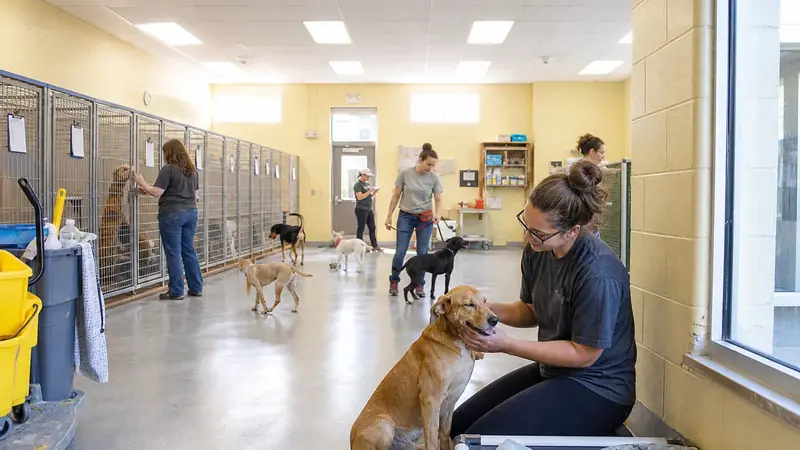
Anti-Cruelty’s team is now focused on helping the dogs settle in, assessing their health and emotional needs, and preparing them for the next steps in their journeys. As of Saturday morning following their arrival, the shelter had not yet determined when the dogs would be available for adoption. The staff is taking the time necessary to get to know each animal and provide the specialized attention required for their recovery. Pictures shared by Anti-Cruelty and featured by NBC Chicago show some of the dogs as they begin to acclimate to their new, safer environment.
This rescue was made possible through a broad coalition of animal control agencies and shelters across Cook County and neighboring counties. Anti-Cruelty emphasized the importance of this collaborative response, stating, as reported by NBC Chicago, "This response is a powerful example of what can happen when a community comes together. Animal control agencies across Cook County and neighboring counties, along with shelters and rescues, worked together to help ensure these dogs received the care and support they need." The shelter expressed deep gratitude to all the organizations and individuals involved, noting that "collaboration makes it possible to do more together than any one organization could do alone."
Large-scale rescues like this one can put significant strain on local shelters, which must suddenly provide housing, medical care, and rehabilitation for many animals at once. For pet owners and prospective adopters, it’s important to understand that dogs from hoarding or neglect situations may need extra time and patience. These animals might be fearful, unfamiliar with basic routines, or require medical treatment. The commitment from shelters like Anti-Cruelty and the broader community is essential to giving these dogs a second chance.
What this means for pet owners
This story highlights the vital role that community support and responsible pet ownership play in animal welfare. If you are considering adopting a dog—especially one from a rescue—be prepared to offer patience, understanding, and time as your new pet adjusts. Many rescued dogs benefit from gradual socialization, gentle training, and regular veterinary check-ups. If you encounter animals living in unsafe or hoarding conditions, report your concerns to local authorities or animal welfare organizations. By working together, communities can make a significant difference in the lives of animals in need and help ensure every pet has the opportunity for a healthy, happy life.
Frequently asked questions
What conditions were the rescued Lemont dogs living in before arriving at the Chicago Anti-Cruelty shelter?
The rescued dogs were found in crowded, unsanitary conditions in a suburban home with grime covering floors and walls, debris scattered throughout, and plastic bins used as makeshift dog beds. The home was condemned due to the severity of these unsafe conditions.
Why do dogs rescued from hoarding situations need special care and patience?
Many dogs from hoarding situations are undersocialized, meaning they have had limited positive interaction with people or other animals. They may be fearful, unfamiliar with basic routines, or require medical treatment, so they need individualized care, gradual socialization, and patience as they adjust to new surroundings.
How does the Chicago Anti-Cruelty shelter prepare rescued dogs for adoption?
The shelter focuses on helping dogs settle in by assessing their health and emotional needs. Staff provide specialized attention and take time to get to know each animal before making them available for adoption, ensuring they are ready for a successful transition to a new home.
What role does community collaboration play in large-scale animal rescues like this one?
Community collaboration is crucial, as multiple animal control agencies, shelters, and rescues across Cook County and neighboring counties worked together to provide care and support. This joint effort allows shelters to do more than any single organization could alone, ensuring rescued animals receive the help they need.
What should pet owners do if they suspect animals are living in hoarding or unsafe conditions?
Pet owners should report their concerns to local authorities or animal welfare organizations. Prompt reporting helps ensure animals receive timely intervention and care, preventing further suffering and promoting animal welfare in the community.
PetsCare article written from several public news reports. Preview — not indexed.