
PetsCare · Chicago
Stranded Traveler Rescues Tiny Kitten at Chicago O'Hare Airport
Minnesota man brings three-week-old stray kitten home after finding it outside Terminal 1
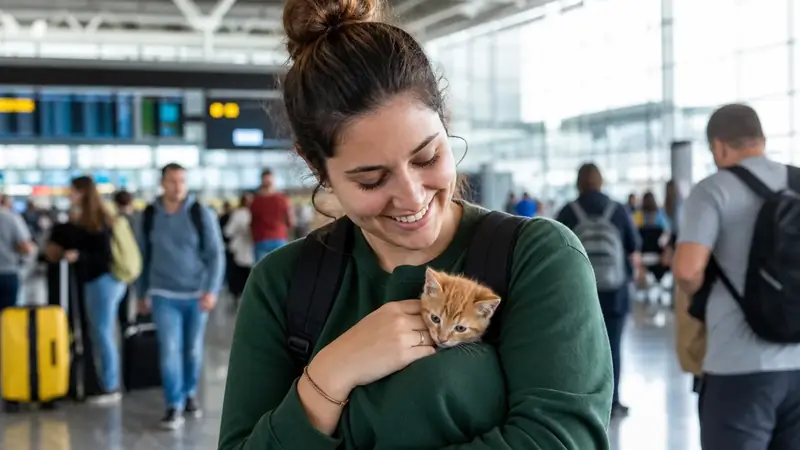
When a Minnesota traveler missed his connecting flight at Chicago O'Hare, he discovered a tiny stray kitten outside Terminal 1. With quick thinking and help from airline staff, the traveler brought the kitten home, giving it a new lease on life.
Airports are usually places of hurried travel and brief encounters, but sometimes they become the backdrop for unexpected acts of kindness. This was the case at Chicago O'Hare International Airport, where a routine travel delay led to the rescue of a vulnerable animal. As reported by both WQAD and iheartcats.com, a Minnesota man named Virgil Wiebe was traveling through O'Hare when he missed his connecting flight. While waiting outside Terminal 1, he spotted a tiny orange kitten, alone and in clear need of help.
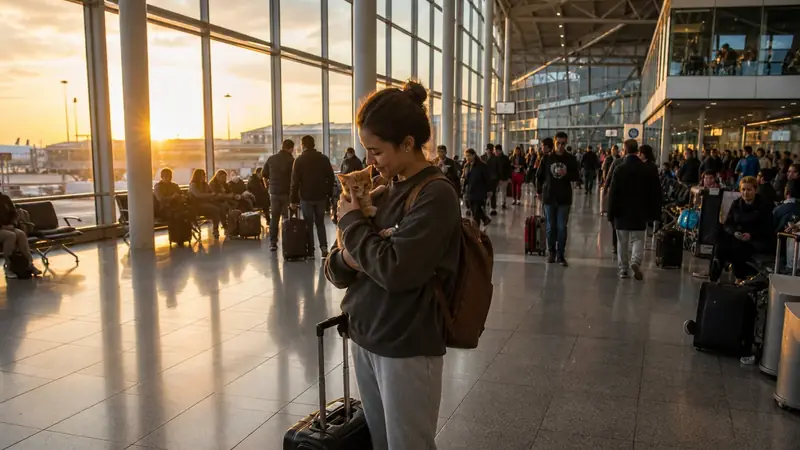
The kitten, later named Macanudo O'Hare (nicknamed Harry), was estimated to be just three weeks old, according to iheartcats.com. At this age, kittens are extremely dependent on their mother for warmth, feeding, and safety. Finding a kitten so young and unattended in a busy airport environment is rare—and potentially life-threatening for the animal.
Recognizing the urgency, Wiebe quickly took action. According to iheartcats.com, he arranged for a pet carrier and kitten formula to be delivered to the airport. These immediate steps are crucial when helping a newborn kitten, as they require frequent feeding and a secure, warm space. The traveler’s quick thinking and compassion set the stage for a successful rescue.
But Wiebe was not alone in his efforts. WQAD and iheartcats.com both report that United Airlines staff stepped in to assist. Airline employees helped coordinate the process, ensuring that the kitten could safely accompany Wiebe on his journey home to Minnesota. Their support highlights how teamwork and kindness can make a significant difference, even in the busiest of places.
Once safely in Minnesota, the kitten began a new life with Wiebe. The story of Macanudo O'Hare, or Harry, is a testament to the positive impact travelers and staff can have when they respond with empathy and resourcefulness. The cooperation between Wiebe and United Airlines turned a missed connection into a life-saving intervention for a defenseless animal.
Very young kittens like Harry need specialized care. At three weeks old, they are typically still nursing and cannot eat solid food. As noted by iheartcats.com, Wiebe provided kitten formula—a critical step, since regular cow’s milk is not suitable for kittens and can cause digestive issues. Feeding should be done gently and at frequent intervals. In addition to nutrition, warmth is essential, as kittens this young cannot regulate their body temperature. A soft blanket and a safe, draft-free space can help keep a kitten comfortable until veterinary care is available.
For pet owners or good Samaritans who find stray kittens, it’s important to act quickly but also thoughtfully. The first step is to assess whether the kitten is truly abandoned, as sometimes mothers leave kittens temporarily while searching for food. If intervention is needed, providing warmth and contacting a veterinarian for guidance on feeding and care is recommended. Veterinarians can offer advice on formula types, feeding schedules, and health checks to ensure the kitten’s best chance at survival.
Airports and other public spaces can be unpredictable places for animal encounters. As seen in this case, quick thinking and cooperation with staff can be vital. Many airlines have policies regarding pet transport, and in emergency situations, staff may be able to assist, but it’s always best to check policies in advance and seek professional advice when transporting animals.
Harry’s story, as covered by WQAD and iheartcats.com, is a reminder of the unexpected connections that can form between people and animals. Thanks to the actions of a caring traveler and the support of airline staff, a kitten that might not have survived alone outside a busy airport now enjoys a safe and loving home.
What this means for pet owners
- If you find a stray or abandoned kitten, especially one that is very young, act quickly to ensure its safety and warmth.
- Use kitten-specific formula for feeding and avoid regular milk. Consult a veterinarian promptly for advice on nutrition and health care.
- Public spaces, including airports, can present unexpected animal emergencies. Being prepared and resourceful can make a life-saving difference.
- Airline staff may be able to help with pet travel in urgent situations, but always check policies and consult professionals before transporting animals.
Stories like Harry’s show that small acts of kindness can change lives, and that with the right care and support, even the most vulnerable animals can find a happy new beginning.
Frequently asked questions
What should I do if I find a very young stray kitten like the one at O'Hare Airport?
If you find a very young stray kitten, act quickly to ensure it is safe and warm. Provide a secure, draft-free space and use kitten-specific formula for feeding, as regular milk can cause digestive issues. Contact a veterinarian promptly for guidance on feeding schedules, nutrition, and health checks to give the kitten the best chance of survival.
Can airline staff help if I need to transport a kitten during travel?
Yes, airline staff may assist in urgent situations, as United Airlines employees did for the kitten at O'Hare Airport. However, it is important to check airline pet policies in advance and consult professionals before transporting animals to ensure safe and compliant travel arrangements.
Why is kitten formula important for feeding newborn kittens instead of regular milk?
Kitten formula is specially formulated to meet the nutritional needs of newborn kittens. Regular cow’s milk is not suitable and can cause digestive upset. Feeding kitten formula gently and frequently is crucial for kittens around three weeks old, like the one rescued at O'Hare Airport, who are still nursing and cannot eat solid food.
How can I tell if a kitten is truly abandoned or just temporarily left by its mother?
Mothers sometimes leave kittens temporarily to search for food, so it’s important to observe before intervening. If the kitten is alone for an extended period, appears weak, or is in danger, it may be abandoned. In such cases, providing warmth and seeking veterinary advice is recommended to ensure the kitten’s safety and health.
What special care do kittens around three weeks old require?
Kittens around three weeks old are highly dependent on their mother for warmth, feeding, and safety. They require frequent feeding with kitten formula, a warm and secure environment, and gentle handling. Since they cannot regulate their body temperature, providing a soft blanket and a draft-free space is essential until veterinary care is available.
PetsCare article written from several public news reports. Preview — not indexed.