
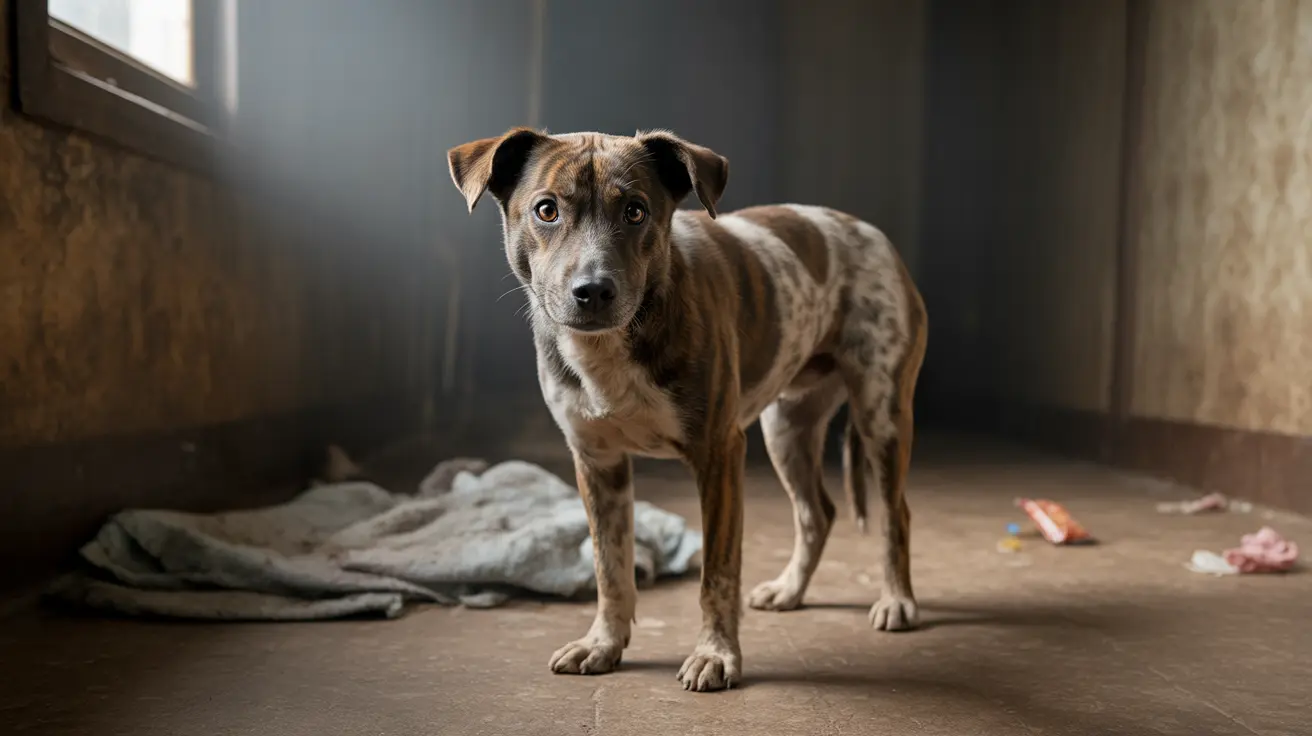
A troubling case in Nash County, North Carolina has brought renewed attention to the serious issue of animal neglect signs and their connection to broader household safety concerns. Deputies recently charged a local woman after discovering four dead ducks and deplorable living conditions inside her home, where a teenager was also found living in what authorities described as "horrible conditions." The discovery of multiple dead animals and scattered feces throughout the property underscores the critical importance of recognizing warning signs of animal abuse and understanding how such situations often indicate broader safety risks for all vulnerable individuals in the home.
This case exemplifies why animal welfare professionals and child protection services work closely together. Research consistently shows that homes where animals suffer from severe neglect frequently present dangers to human occupants as well, particularly children who cannot advocate for themselves or escape unsafe environments.
Understanding Animal Neglect Signs in Household Settings
The Nash County incident reveals several classic indicators that animal welfare experts use to identify neglect situations. When multiple animals are found deceased on a property, it typically indicates prolonged deprivation of basic necessities like food, water, shelter, and veterinary care. The presence of scattered feces throughout living areas suggests both inadequate care for the animals and unsanitary conditions that pose health risks to all residents.
Pet owners and community members should be aware that healthy animal environments require regular cleaning, proper nutrition, access to clean water, and appropriate shelter. Animals showing extreme emaciation, muscle wasting, poor coat condition, or exhibiting fearful behaviors may be experiencing neglect or abuse.
The Animal Cruelty and Child Abuse Link
What makes this case particularly concerning is the documented connection between animal cruelty and child endangerment. The teenager found living in the same deplorable conditions as the animals highlights why child protective services and animal control agencies often collaborate on investigations.
Children living in homes where animals suffer abuse face multiple risks. They may experience direct abuse themselves, suffer psychological trauma from witnessing cruelty, or develop in unsanitary conditions that threaten their physical health. The environmental conditions that lead to animal deaths 6 lack of proper food, water, sanitation, and care 6 create equally dangerous situations for children.
North Carolina Animal Cruelty Laws and Enforcement
Under North Carolina animal cruelty laws, severe neglect resulting in animal death can carry serious legal consequences. The state classifies malicious acts that cause extreme suffering or death as felony offenses, while general cruelty charges typically result in misdemeanor penalties. Law enforcement agencies have authority to remove animals from dangerous situations and pursue criminal charges against responsible parties.
The legal framework recognizes that animal abuse often serves as an indicator of broader household dysfunction, which is why agencies coordinate their response to address all vulnerable individuals in affected homes.
Reporting Animal Abuse NC and Community Response
Community members play a crucial role in identifying and reporting suspected abuse. When reporting animal abuse NC residents should contact local animal control or sheriff's departments with detailed information about observed conditions, including dates, times, and specific concerns.
Effective reporting includes documenting visible signs of neglect, noting patterns of concerning behavior, and providing authorities with enough information to conduct thorough investigations. The Nash County case likely began with community members or officials recognizing warning signs and taking appropriate action.
Supporting Recovery and Prevention
After removal from neglectful situations, both animals and children require specialized care to address physical and emotional trauma. Animals may need extensive veterinary treatment, nutritional rehabilitation, and behavioral support to recover from abuse. Similarly, children require trauma-informed care, counseling, and safe placement to heal from their experiences.
Prevention efforts focus on education about proper animal care, recognizing warning signs of abuse, and understanding the connections between different forms of household violence and neglect.
Frequently Asked Questions
What are the signs of animal neglect and abuse to look out for in a household?
- Extreme emaciation
- Muscle wasting
- Poor coat condition
- Visible injuries or skin lesions
- Lack of access to food or water
- Unsanitary living conditions with scattered feces
- Multiple deceased animals on the property
- Abnormal behavior such as extreme fear or aggression
How is animal cruelty linked to child abuse and why is it important to report both?
Research shows a strong correlation between animal cruelty and child abuse; homes with animal abuse are significantly more likely to have child endangerment. Witnessing or experiencing animal cruelty can cause trauma in children and increase the risk of later aggressive or violent behavior. Reporting animal cruelty can help identify unsafe environments affecting both pets and children.
What legal consequences do animal cruelty and neglect carry in North Carolina?
- Severe animal neglect and abuse, including starvation and deprivation leading to death, can be charged as Class H felonies
- General cruelty offenses are typically Class 1 misdemeanors, with harsher penalties for malicious torture or mutilation
- Courts can confiscate animals upon conviction
- Veterinary professionals have immunity when reporting suspected abuse
Protecting Our Community's Most Vulnerable
The Nash County case serves as a stark reminder that animal neglect signs often indicate broader safety concerns within households. By understanding these connections and knowing how to respond appropriately, community members can help protect both animals and children from dangerous situations. Recognition, reporting, and coordinated response from multiple agencies remain our best tools for preventing such tragedies and ensuring the safety of all vulnerable individuals in our communities.




