
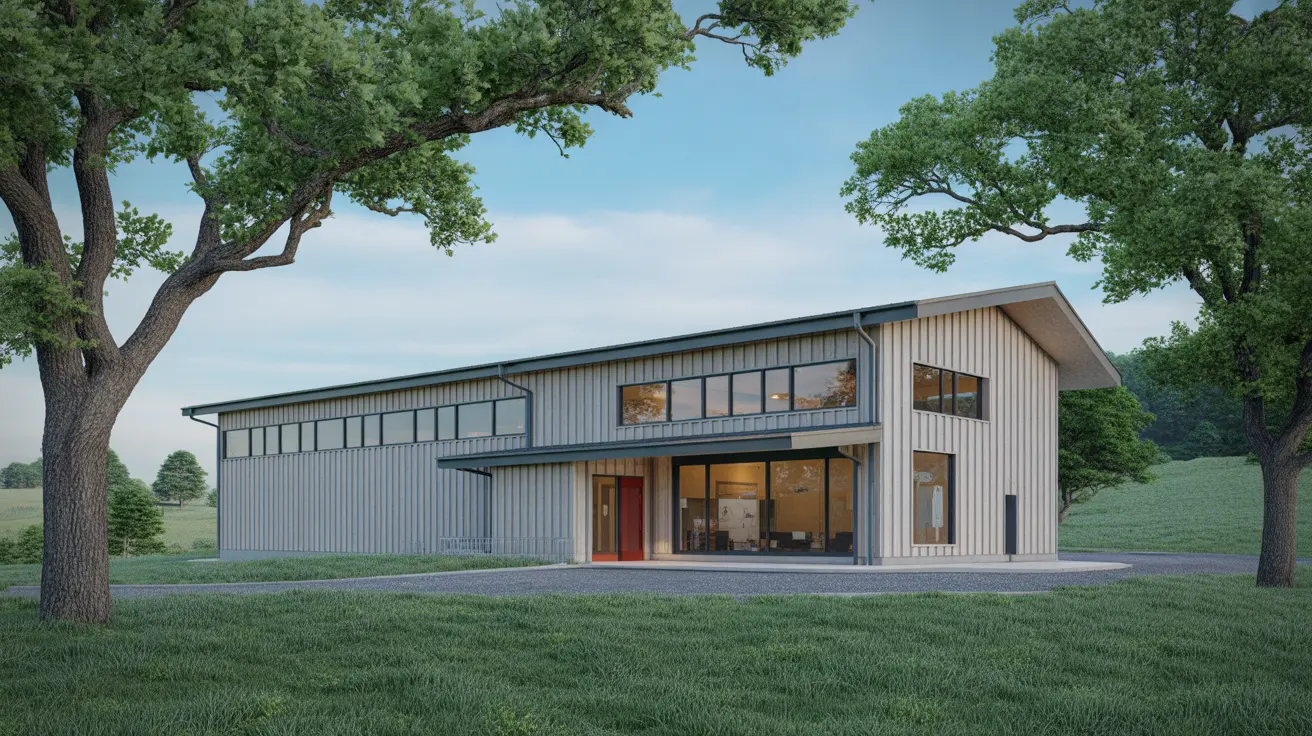
A collaborative effort among four rural Chautauqua County communities is taking shape to address the growing need for proper stray animal housing. The towns of Ripley, French Creek, Mina, and Clymer are joining forces to seek grant funding for a shared regional animal facility, marking a significant step toward meeting New York State's strict animal welfare requirements.
During a recent Ripley town council meeting, Supervisor Laura K. Pless informed attendees that the multi-town initiative is actively pursuing grant opportunities to construct a dedicated facility for housing stray animals. Council member Phil Chimera has been instrumental in advancing this collaborative approach, recognizing that rural communities often face challenges in meeting state mandates independently.
This partnership represents a practical solution for smaller municipalities that must balance limited budgets with increasing responsibilities for animal welfare. By pooling resources and expertise, these four communities can create a more sustainable and effective approach to stray animal care.
State Mandates Drive Regional Cooperation
New York State animal shelter mandates have created pressing needs for rural communities across the state. The Agriculture and Markets Law Article 7 establishes specific requirements for housing stray dogs and cats, including proper shelter conditions, veterinary care protocols, and minimum holding periods before animals can be adopted or transferred.
For towns like Ripley, French Creek, Mina, and Clymer, meeting these requirements individually would be financially challenging. The collaborative approach allows them to share costs while ensuring compliance with state regulations. This model is becoming increasingly common among rural New York communities facing similar challenges.
Grant Opportunities and Funding Sources
Several funding mechanisms are available to support animal shelter construction in New York. The NYS Companion Animal Capital Fund represents one potential source for the four-town project, offering grants specifically designed to help communities build or upgrade animal care facilities.
State grants for animal shelters in NY typically require detailed planning, community support documentation, and compliance with specific construction standards. The collaborative nature of this project may strengthen the grant application by demonstrating regional cooperation and efficient resource utilization.
Planning Considerations for Rural Animal Facilities
Successful shared regional animal facilities require careful planning to serve multiple communities effectively. Key considerations include:
- Location accessibility for all participating towns
- Adequate capacity for expected stray animal populations
- Staffing arrangements and operational responsibilities
- Transportation logistics between communities and the facility
The Ripley-led initiative must also address governance structures, cost-sharing agreements, and long-term sustainability planning to ensure the facility serves all four communities equitably.
Impact on Chautauqua County Animal Welfare
The proposed facility could significantly improve outcomes for Chautauqua County stray animals by providing professional care, proper housing conditions, and increased adoption opportunities. Rural areas often struggle with limited resources for animal control and welfare, making regional solutions particularly valuable.
Modern animal shelters focus on no-kill policies and comprehensive care programs that prioritize rehabilitation and placement over euthanasia. The four-town facility could incorporate these best practices while serving the specific needs of rural communities.
Additionally, centralized operations often enable better veterinary care, volunteer coordination, and community outreach programs that benefit both animals and residents throughout the region.
Frequently Asked Questions
What new animal shelter is being planned for Ripley, French Creek, Mina, and Clymer in Chautauqua County, New York?
The four towns are collaborating on a shared regional animal facility to house stray animals and meet New York State requirements. Ripley Supervisor Laura K. Pless and council member Phil Chimera are leading the effort to secure grant funding for construction.
How are the towns applying for grants to build a shared stray animal facility?
The communities are working together to identify and apply for relevant grant opportunities, including potential state funding sources like the NYS Companion Animal Capital Fund. The collaborative approach strengthens their application by demonstrating regional cooperation and resource efficiency.
Why do rural New York towns like Ripley need collaborative animal shelters to meet state mandates?
New York State's Agriculture and Markets Law Article 7 establishes specific requirements for stray animal housing that can be financially challenging for individual small towns. By partnering together, communities can share costs while ensuring compliance with state regulations and providing better care for animals.
Moving Forward Together
The four-town animal shelter initiative represents an innovative approach to addressing rural animal welfare challenges in Chautauqua County. As Supervisor Pless and the participating communities advance their grant applications, this collaboration could serve as a model for other rural regions facing similar needs.
Success in this endeavor will require continued cooperation, community support, and careful planning to create a facility that serves all four towns effectively while meeting the highest standards of animal care and welfare.




