
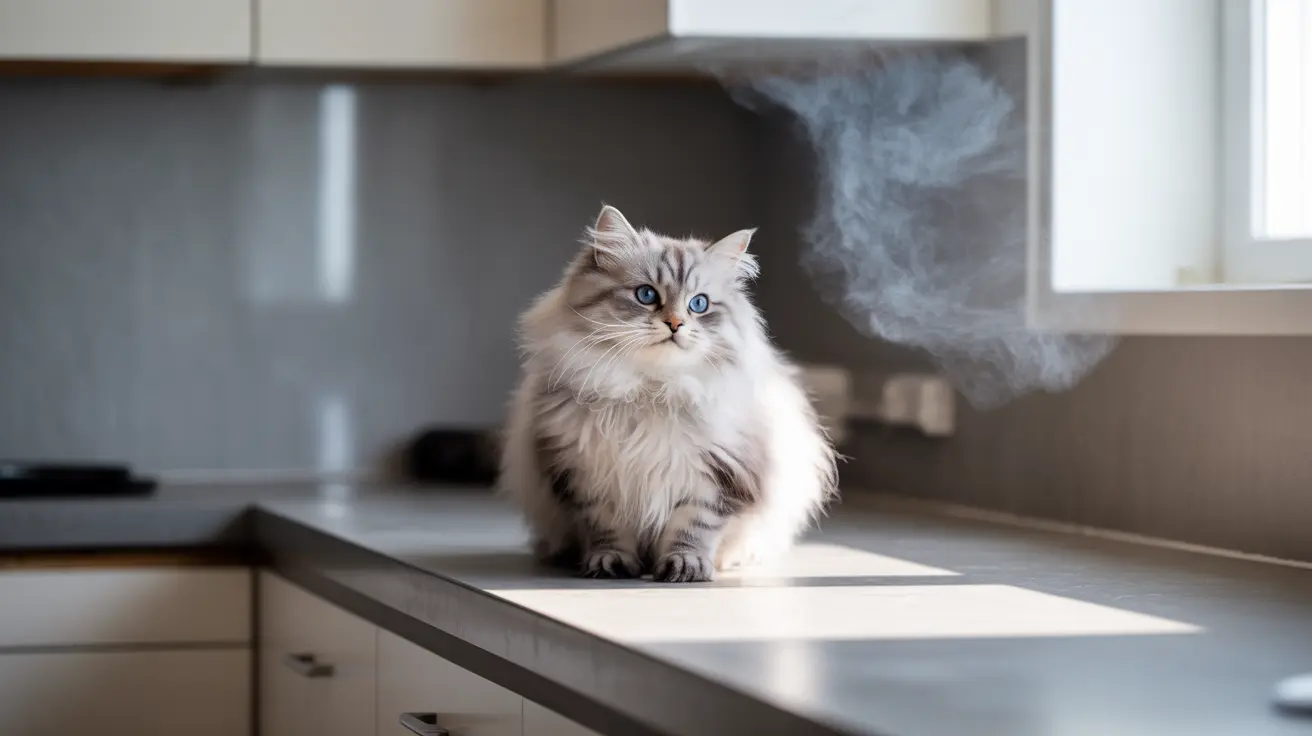
Flatulence in cats occurs when gas builds up in the digestive tract and is released through the rectum. This gas is primarily made up of nitrogen, oxygen, carbon dioxide, and small amounts of sulfur compounds. It’s those sulfur compounds—especially hydrogen sulfide—that give off the distinctive “rotten egg” smell. While a single smelly episode may not be cause for alarm, frequent or intense odors can indicate that your cat’s digestive system is struggling to process certain foods or is reacting to an underlying health issue.
Recognizing the difference between normal and abnormal flatulence is essential. Occasional mild gas is harmless, but if your cat’s farts are frequent, loud, or accompanied by other symptoms such as bloating, diarrhea, or loss of appetite, it’s time to investigate further. The following sections explore the most common reasons behind sulfur-smelling gas and how to address them effectively.
Common Causes of Sulfur-Smelling Gas in Cats
When your cat’s gas smells like rotten eggs, the culprit is usually hydrogen sulfide—a byproduct of digesting certain proteins and sulfur-rich foods. However, several factors can contribute to excessive or particularly smelly gas. Diet is often the main cause, but other issues such as food intolerance, intestinal parasites, or bacterial imbalances can also play a role. Identifying the root cause helps you take targeted action rather than relying on guesswork or temporary fixes.
Dietary issues are the most frequent source of foul-smelling gas. Cats are obligate carnivores, meaning they require a diet high in animal protein. However, not all proteins are equal. Low-quality cat foods often contain fillers like corn, soy, or by-products that are difficult for cats to digest. These ingredients ferment in the gut, producing excess gas and unpleasant odors. Additionally, sudden changes in diet can upset the balance of gut bacteria, leading to temporary digestive distress and flatulence.
Other causes include food allergies or intolerances, which can make it hard for your cat to digest certain ingredients. Lactose intolerance, for example, is common in adult cats and can lead to bloating and gas if they consume dairy. Parasites such as giardia or roundworms can also disrupt digestion, while bacterial overgrowth in the intestines may increase sulfur gas production. Even swallowing air while eating too quickly can contribute to excess gas buildup.
- Low-quality or high-filler cat food that’s hard to digest
- Sudden dietary changes or introduction of new treats
- Food allergies or intolerances (especially to dairy or grains)
- Intestinal parasites or bacterial imbalances
- Eating too fast and swallowing excess air
Understanding which of these factors applies to your cat will guide you toward the right solution. In many cases, a simple dietary adjustment can make a noticeable difference within days.
How to Prevent and Reduce Foul-Smelling Cat Gas
Once you’ve identified potential causes, prevention becomes the next priority. The goal is to support your cat’s digestive health through balanced nutrition, proper feeding habits, and regular veterinary care. A few thoughtful changes can significantly reduce both the frequency and intensity of your cat’s gas, improving their comfort and your home environment.
Start by choosing a high-quality cat food that lists real meat as the first ingredient and avoids unnecessary fillers. Grain-free or limited-ingredient diets can help cats with sensitivities. Introduce any new food gradually over a week to allow your cat’s digestive system to adjust. Feeding smaller, more frequent meals can also help prevent overeating and reduce air intake. If your cat tends to gulp food, consider using a slow-feeder bowl to encourage slower eating.
Hydration plays a key role in digestion. Ensure your cat always has access to fresh water, and consider incorporating wet food into their diet to increase moisture intake. Regular exercise also supports healthy digestion by stimulating intestinal movement. Finally, schedule routine veterinary checkups to rule out parasites or gastrointestinal disorders. If your cat’s gas persists despite dietary improvements, your vet may recommend diagnostic tests or probiotic supplements to restore gut balance.
When to See a Veterinarian
While occasional gas is normal, persistent or particularly foul-smelling flatulence can indicate a deeper issue that requires professional attention. Cats are adept at hiding discomfort, so subtle signs like reduced appetite, lethargy, or changes in stool consistency should not be ignored. A veterinarian can perform a physical exam and, if necessary, run tests to identify infections, parasites, or food sensitivities contributing to the problem.
During your visit, be prepared to discuss your cat’s diet, feeding schedule, and any recent changes in behavior. Your vet may recommend a temporary elimination diet to pinpoint allergens or suggest switching to a prescription food designed for sensitive stomachs. In some cases, stool samples or blood tests may be needed to rule out parasitic or metabolic conditions. Early intervention not only relieves your cat’s discomfort but also prevents minor digestive issues from escalating into chronic health problems.
If your cat’s gas is accompanied by vomiting, diarrhea, or weight loss, seek veterinary care promptly. These symptoms may indicate inflammatory bowel disease, pancreatitis, or other serious conditions that require medical treatment. Timely diagnosis ensures your cat receives the right care and helps restore normal digestive function more quickly.
Home Care and Long-Term Digestive Support
After addressing immediate concerns, maintaining long-term digestive health becomes the focus. Consistency is key—cats thrive on routine, and sudden changes in diet or environment can easily upset their stomachs. Establish a stable feeding schedule and stick to foods that your cat tolerates well. Avoid giving table scraps or dairy products, as these can trigger gas and other digestive issues even in small amounts.
Probiotics and digestive enzymes can be beneficial for cats with sensitive stomachs. These supplements help balance gut bacteria and improve nutrient absorption, reducing the likelihood of gas buildup. Always consult your veterinarian before introducing new supplements to ensure they’re appropriate for your cat’s specific needs. Regular grooming also helps, as cats that ingest large amounts of fur while cleaning themselves may develop hairballs that interfere with digestion.
- Maintain a consistent feeding routine with high-quality food
- Provide fresh water and encourage hydration
- Use probiotics or digestive enzymes if recommended by your vet
- Keep your cat active to promote healthy digestion
- Monitor stool quality and appetite for early signs of trouble
By combining proper nutrition, preventive care, and attentive observation, you can minimize unpleasant odors and keep your cat’s digestive system functioning smoothly. The result is a happier, healthier pet—and a fresher-smelling home.
Smelly cat farts may be an unpleasant topic, but they offer valuable clues about your pet’s digestive health. A rotten egg odor usually points to sulfur compounds produced during digestion, often linked to diet or gastrointestinal imbalance. By choosing high-quality food, maintaining consistent feeding habits, and seeking veterinary advice when necessary, you can greatly reduce the problem. Paying attention to your cat’s overall well-being ensures not only a more comfortable pet but also a more harmonious household. With the right care, those occasional odors can become a rare occurrence rather than a regular nuisance.
FAQ
Why does my cat’s fart smell like rotten eggs?
The rotten egg smell comes from hydrogen sulfide, a gas produced when sulfur-containing proteins are broken down in the digestive tract. This odor often indicates that your cat’s food contains ingredients that are difficult to digest or that there’s an imbalance in gut bacteria. While an occasional smelly fart is normal, persistent odors suggest a dietary or health issue that may need attention. Switching to a higher-quality diet and ensuring proper hydration can often resolve the problem.
Is it normal for cats to fart?
Yes, it’s completely normal for cats to pass gas occasionally. Flatulence is a natural byproduct of digestion. However, frequent or particularly foul-smelling gas is not typical and may indicate that your cat’s digestive system is struggling. If you notice other symptoms such as bloating, diarrhea, or loss of appetite, consult your veterinarian to rule out underlying conditions like food intolerance or intestinal parasites.
Can certain foods make my cat’s gas worse?
Absolutely. Foods that are high in fillers, grains, or artificial additives can cause excessive gas in cats. Dairy products, even in small amounts, can also lead to flatulence because most adult cats are lactose intolerant. Switching to a diet rich in high-quality animal protein and free from unnecessary fillers can significantly reduce gas and improve overall digestion. Always introduce new foods gradually to avoid upsetting your cat’s stomach.
How can I tell if my cat’s gas is a sign of illness?
If your cat’s gas is accompanied by other symptoms—such as vomiting, diarrhea, weight loss, or lethargy—it could signal an underlying illness. Conditions like inflammatory bowel disease, pancreatitis, or intestinal parasites can cause both flatulence and digestive discomfort. A veterinarian can perform diagnostic tests to determine the cause and recommend appropriate treatment. Early detection is key to preventing more serious complications.
Do probiotics help with cat flatulence?
Probiotics can be very effective in reducing gas and improving digestion in cats. These supplements introduce beneficial bacteria into the gut, helping to balance the digestive system and reduce the production of odor-causing gases. However, not all probiotics are suitable for cats, so it’s important to choose a product formulated specifically for feline use and consult your veterinarian before starting any supplement regimen.
Should I change my cat’s food if they have smelly gas?
Changing your cat’s food can help, but it should be done carefully. Start by selecting a high-quality, easily digestible formula that lists real meat as the primary ingredient. Avoid foods with corn, soy, or artificial additives. Transition gradually over seven to ten days by mixing increasing amounts of the new food with the old to prevent digestive upset. If the odor persists after the switch, consult your vet for further evaluation.
Can parasites cause my cat to have smelly gas?
Yes, intestinal parasites such as giardia, roundworms, or hookworms can disrupt digestion and cause foul-smelling gas. These parasites interfere with nutrient absorption and can lead to bloating, diarrhea, and weight loss. Regular deworming and fecal exams are essential preventive measures. If your cat’s gas is persistent or accompanied by other symptoms, your veterinarian may recommend a stool test to check for parasites and prescribe appropriate treatment.
How can I help my cat eat more slowly?
Cats that eat too quickly often swallow excess air, which contributes to gas buildup. To slow down eating, use a slow-feeder bowl or puzzle feeder that forces your cat to work for their food. You can also divide meals into smaller portions served throughout the day. Feeding multiple cats separately can prevent competition and reduce the urge to gulp food. Over time, these strategies help improve digestion and minimize flatulence.
Is wet food better than dry food for preventing gas?
Wet food can be beneficial because it contains more moisture, which aids digestion and helps prevent constipation. Some cats digest wet food more easily than dry kibble, especially if they have sensitive stomachs. However, the quality of the ingredients matters more than the format. Choose a balanced, high-protein wet or dry food made from wholesome ingredients, and monitor your cat’s response to determine which works best for them.
When should I take my cat to the vet for gas issues?
If your cat’s gas is frequent, extremely smelly, or accompanied by other symptoms like vomiting, diarrhea, or changes in appetite, it’s time to see a veterinarian. Persistent flatulence can indicate food allergies, infections, or gastrointestinal diseases that require medical attention. Your vet can perform diagnostic tests to identify the cause and recommend dietary changes or treatments to restore your cat’s digestive health.




