
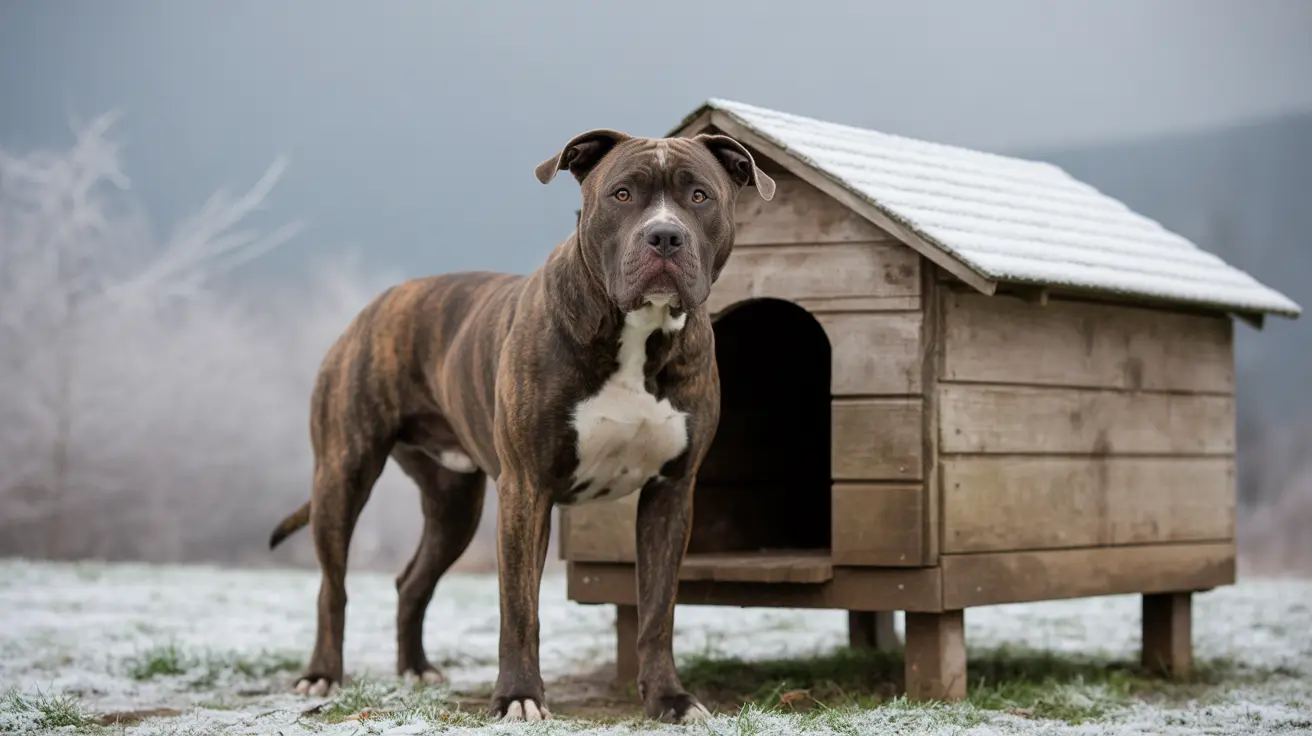
As winter temperatures plummet, many dog owners face the challenge of keeping their beloved pets comfortable and safe outdoors. The recent cold snap has highlighted a critical concern: ensuring proper shelter for dogs, especially breeds that struggle with temperature regulation. An insulated dog house becomes essential equipment when outdoor exposure is unavoidable, protecting your furry family member from hypothermia, frostbite, and other cold-related health risks.
Understanding your dog's cold tolerance is the first step in providing adequate protection. While some breeds like Huskies thrive in frigid conditions, others—including many pit bull mixes—lack the natural insulation needed for extended cold exposure. This disparity in cold weather adaptation makes selecting the right shelter solution crucial for every pet parent.
Understanding Cold Weather Risks for Dogs
Dogs face several serious health threats when exposed to extreme cold without proper protection. Hypothermia occurs when a dog's body temperature drops below normal levels, leading to lethargy, shivering, and potentially life-threatening complications. Frostbite in dogs paws represents another significant concern, as the extremities are particularly vulnerable to cold damage.
Certain breeds demonstrate varying levels of cold weather tolerance. Pit bull cold tolerance, for example, tends to be quite limited due to their short coat and lean body composition. These dogs inherited traits that make them poorly suited for extended cold exposure, requiring additional protection during winter months.
Key Features of the Best Dog Houses for Winter
When selecting cold weather dog shelter options, several critical features separate adequate protection from truly effective winter housing. A raised floor dog house prevents ground cold from seeping into the shelter while improving air circulation and drainage. This elevation also protects against moisture buildup that can create dangerous conditions.
Proper insulation represents the most important characteristic of effective winter dog housing. The best insulated dog house designs incorporate multiple layers of protection, including insulated walls, weatherproof exteriors, and adequate ventilation to prevent condensation while maintaining warmth.
Essential Design Elements
Size matters significantly when choosing winter dog shelters. The space should be large enough for your dog to stand, turn around, and lie down comfortably, but small enough to retain body heat effectively. Oversized shelters fail to maintain adequate temperatures, while undersized options create stress and discomfort.
A weatherproof dog enclosure should feature wind-resistant construction with an offset door to minimize cold air infiltration. Many effective designs include a removable roof for easy cleaning and maintenance throughout the winter season.
Popular Shelter Solutions and DIY Options
Commercial options like the best Petmate Indigo dog house offer proven protection with durable construction and effective insulation properties. These dome-shaped shelters provide excellent wind resistance and thermal retention for medium to large breeds.
For budget-conscious pet owners, DIY insulated dog house projects can provide effective protection when built correctly. Key components include rigid foam insulation, weatherproof exterior materials, and proper ventilation systems. However, construction quality directly impacts effectiveness, making professional options preferable for extreme weather conditions.
Bedding and Interior Comfort
Straw bedding for dogs winter provides superior insulation compared to blankets or towels, which can freeze when wet. Straw creates air pockets that trap warm air while allowing moisture to escape, maintaining dry conditions inside the shelter.
Some pet parents consider heated dog house for outdoors options, though these require careful electrical installation and monitoring to prevent hazards. Solar-powered heating elements offer a safer alternative for supplemental warmth.
Legal and Safety Considerations
Animal cruelty laws dog shelter requirements vary by jurisdiction, but most regions mandate adequate protection from weather extremes. AVMA cold weather dog guidelines recommend bringing pets indoors when temperatures drop significantly, with outdoor shelter serving as backup protection rather than primary housing.
Recognizing dog frostbite symptoms helps pet owners identify when shelter protection proves insufficient. Warning signs include pale or blue-tinged skin, pain when touching affected areas, and skin that feels cold or brittle to the touch.
Frequently Asked Questions
- How can I protect my dog from hypothermia and frostbite in cold winter weather?
Provide an appropriately sized, insulated dog house with straw bedding, ensure access to fresh water that won't freeze, and monitor your dog for signs of cold stress. Limit outdoor exposure time and bring pets indoors during extreme weather conditions.
- What are the best features to look for in an insulated dog house for outdoor pets?
Essential features include raised flooring, multi-layer insulation, weatherproof construction, proper ventilation, wind-resistant door placement, and appropriate sizing for your dog's breed and size.
- Do pit bull mixes tolerate cold weather well, and what shelter do they need?
Pit bull mixes typically have poor cold tolerance due to their short coats and lean body structure. They require well-insulated shelters with additional bedding and should have limited outdoor exposure during cold weather.
Protecting Your Pet This Winter
Investing in proper cold weather protection demonstrates responsible pet ownership and ensures your dog's health and comfort throughout winter months. Whether choosing commercial solutions or building DIY alternatives, prioritizing insulation, weather resistance, and appropriate sizing creates a safe haven for your outdoor pet. Remember that no shelter completely replaces the warmth and safety of indoor accommodation during severe weather conditions.




