
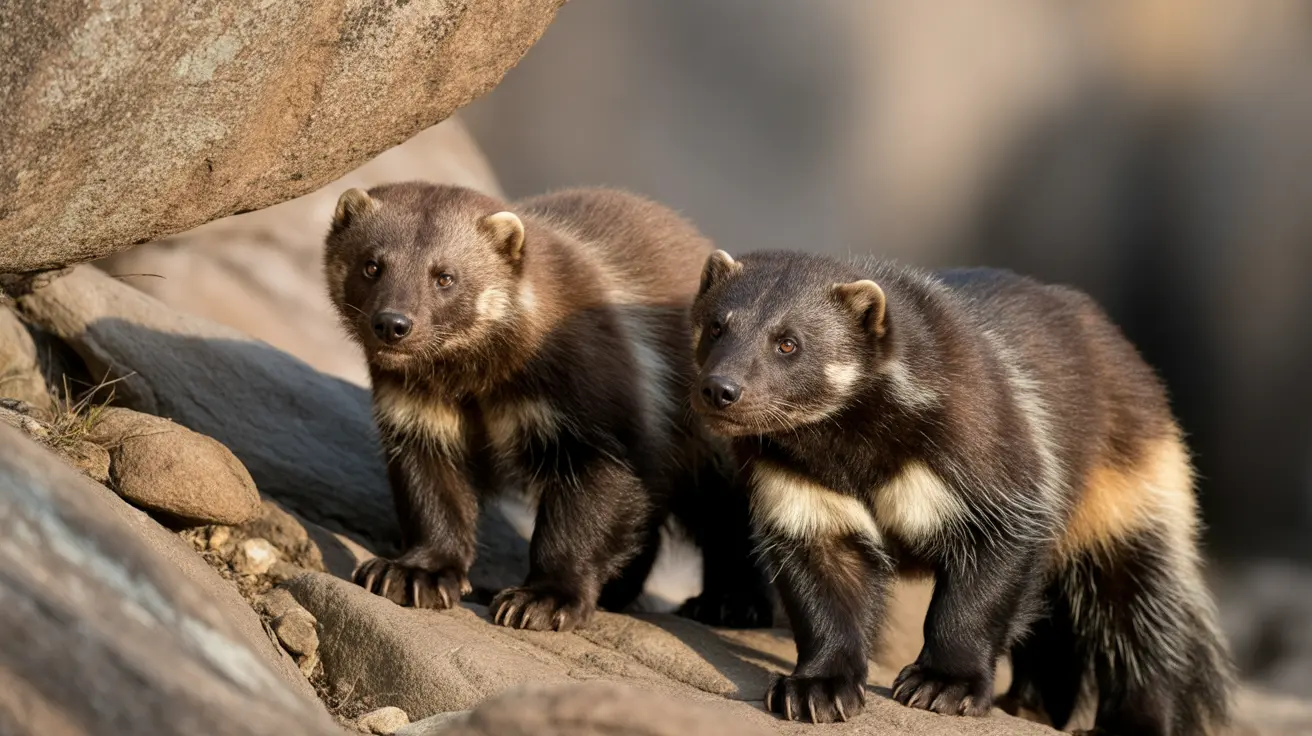
Colorado Parks and Wildlife (CPW) has officially unveiled an ambitious wolverine restoration plan aimed at reintroducing these elusive animals to the state's high alpine regions after more than 100 years of absence. The comprehensive Colorado wolverine restoration initiative represents a significant milestone in wildlife conservation efforts, with plans to release up to 100 wolverines across carefully selected habitat areas throughout the Rocky Mountains.
This groundbreaking wolverine reintroduction Colorado program comes as part of broader conservation efforts to restore native wildlife populations and maintain ecological balance in the state's pristine wilderness areas. For pet owners and wildlife enthusiasts alike, understanding this restoration effort provides valuable insight into Colorado's commitment to preserving its natural heritage while addressing potential concerns about wildlife interactions.
Understanding the CPW Wolverine Plan
The CPW wolverine plan represents years of scientific research and planning to safely reintroduce wolverines to their historical Colorado habitat. Wolverines, known for their incredible strength and adaptability to harsh mountain conditions, once roamed Colorado's high country but disappeared from the region due to various factors including habitat loss and human activities.
The restoration effort is supported by the SB24-171 wolverine bill, which provides the legal framework and funding necessary to move forward with this ambitious project. This legislation ensures that the reintroduction process follows strict scientific protocols while addressing concerns from various stakeholder groups, including ranchers, pet owners, and outdoor enthusiasts.
Wolverine Release Sites Colorado Selection Process
Identifying appropriate wolverine release sites Colorado locations has been a critical component of the planning process. Wildlife biologists have spent considerable time evaluating potential areas based on habitat quality, prey availability, and minimal human-wildlife conflict potential. The selected sites prioritize remote, high-elevation areas that closely match the wolverine habitat Colorado historically supported.
These carefully chosen locations ensure that reintroduced wolverines have the best chance of establishing sustainable populations while minimizing interactions with domestic animals and livestock. The selection process also considers seasonal migration patterns and the availability of food sources essential for wolverine survival.
The 10(j) Experimental Population Wolverine Designation
A crucial aspect of the restoration effort involves obtaining federal approval for a 10(j) experimental population wolverine designation. This special classification under the Endangered Species Act provides flexibility in management while still offering protection for the reintroduced animals. The designation allows wildlife managers to implement specific protocols for handling situations where wolverines may come into conflict with human activities.
This regulatory framework is essential for the success of the Rocky Mountain wolverine reintroduction, as it provides clear guidelines for both wildlife managers and the public regarding how interactions with these animals should be handled.
Livestock Compensation Wolverines Program
Recognizing concerns from ranchers and livestock owners, the plan includes a comprehensive livestock compensation wolverines program. This initiative addresses potential economic impacts on agricultural operations while encouraging coexistence between wildlife restoration efforts and traditional land uses.
The compensation program demonstrates CPW's commitment to working collaboratively with rural communities and ensuring that the restoration effort doesn't unfairly burden local residents. Pet owners in rural areas should be aware that while wolverines typically avoid human settlements, proper pet supervision in backcountry areas remains important.
San Juan Wolverine Release Timeline
The San Juan wolverine release represents one of the priority areas for initial reintroduction efforts. This region's pristine alpine environment and limited human development make it an ideal location for establishing the first populations of reintroduced wolverines.
The wolverine restoration timeline spans several years, with careful monitoring and adaptive management strategies built into the process. Wildlife biologists will track the animals' movements, breeding success, and overall population health to ensure the program's long-term success.
Wolverine Translocation Plan and Monitoring
The wolverine translocation plan involves sourcing animals from stable populations in other regions and carefully introducing them to Colorado's selected habitat areas. This process requires extensive coordination with wildlife agencies in other states and provinces where healthy wolverine populations exist.
CPW wolverine monitoring will utilize advanced tracking technologies to gather data on animal behavior, territory establishment, and ecological impacts. This information will be crucial for refining management strategies and ensuring the restoration effort achieves its conservation goals.
Frequently Asked Questions
What is Colorado's Wolverine Restoration Plan and when will wolverines be released?
Colorado's Wolverine Restoration Plan is a comprehensive initiative by Colorado Parks and Wildlife to reintroduce up to 100 wolverines to the state's high alpine regions. The plan involves careful site selection, animal sourcing, and monitoring protocols. While specific release dates depend on regulatory approvals and logistical preparations, the program represents a multi-year commitment to wildlife restoration.
Why are wolverines being reintroduced to Colorado after over 100 years?
Wolverines are being reintroduced to restore ecological balance and return native wildlife to their historical habitat. These animals play important roles in high alpine ecosystems and their absence has created gaps in the natural food web. The reintroduction supports biodiversity conservation and helps maintain healthy mountain ecosystems.
Will reintroduced wolverines attack livestock, and is there compensation for ranchers?
Wolverines typically avoid domestic animals and primarily feed on carrion and small wildlife. However, CPW has established a livestock compensation program to address any potential conflicts. The program ensures that ranchers receive fair compensation for any documented losses while encouraging coexistence between wildlife restoration and agricultural activities.
This historic wolverine restoration effort represents Colorado's dedication to wildlife conservation and ecological restoration. As the program moves forward, continued monitoring and adaptive management will ensure its success while maintaining harmony between wildlife restoration goals and community interests. Pet owners and outdoor enthusiasts can look forward to the return of these remarkable animals to Colorado's wilderness areas.




