
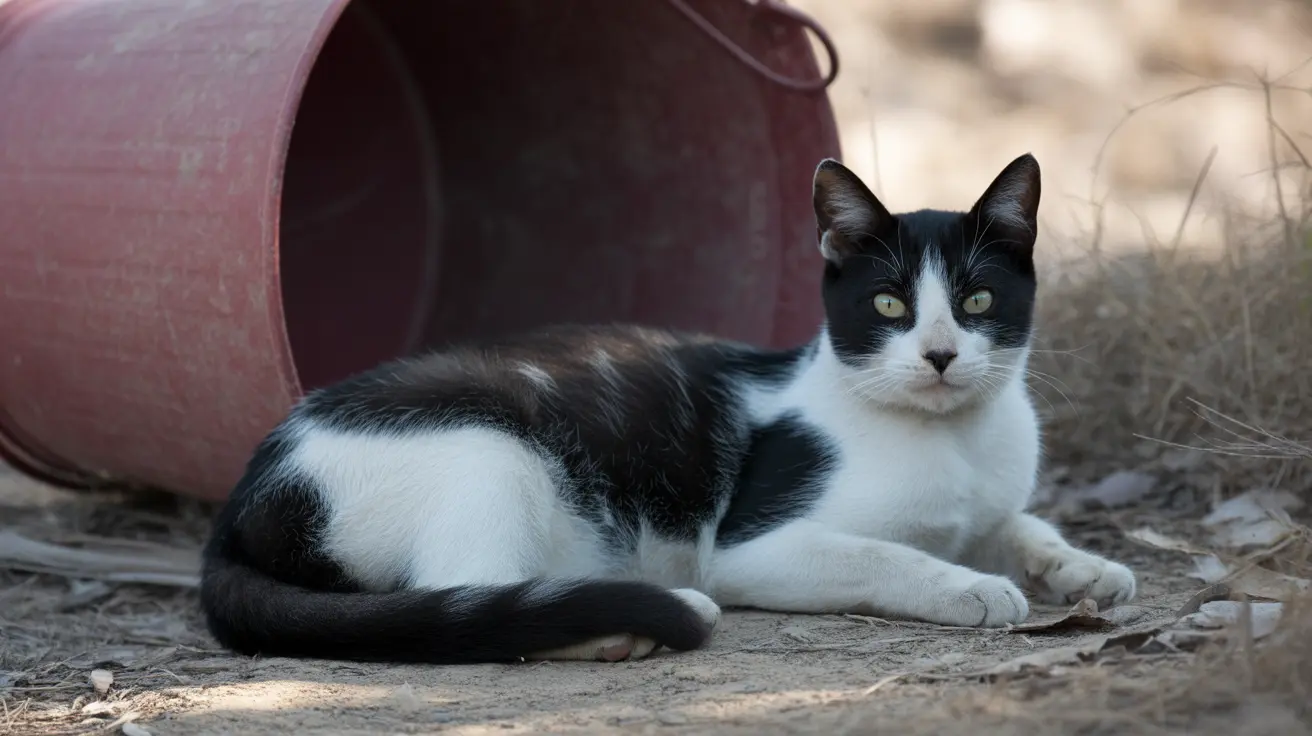
A disturbing case of alleged animal abandonment in North Phoenix has prompted a Phoenix cat colony investigation by the Arizona Humane Society after neighbors reported alarming conditions at a local residence. The property, described by witnesses as smelling "like dead carcasses," has become home to a growing colony of cats amid mounting trash and concerning living conditions.
The Arizona Humane Society cruelty probe highlights a troubling trend affecting communities across the state, where economic pressures and housing challenges are contributing to increased pet surrenders and cases of animal neglect. For pet parents, understanding the warning signs of animal abandonment and knowing how to respond appropriately can help protect vulnerable animals in their neighborhoods.
Arizona Humane Society Responds to Community Concerns
Neighbors first raised alarms about the North Phoenix property after noticing the accumulation of trash and observing multiple cats living in questionable conditions. The Arizona Humane Society has launched an official investigation to assess the welfare of the animals and determine if intervention is necessary.
This case represents one of many instances where community members play a crucial role in protecting animal welfare. When residents notice signs of animal neglect, their reports can trigger life-saving interventions by animal welfare organizations.
Understanding Signs of Animal Neglect
The North Phoenix cat colony case demonstrates several red flags that indicate potential animal abandonment or neglect. Key warning signs include:
- Visible accumulation of waste and debris around the property
- Animals appearing malnourished or in poor health
- Lack of adequate shelter or protection from weather elements
- Strong odors suggesting unsanitary conditions
- Multiple animals living in overcrowded or unsafe environments
Pet owners facing financial or housing difficulties should seek help before conditions deteriorate. Many communities offer resources including low-cost veterinary care, pet food banks, and temporary fostering programs to help families keep their pets safely.
Arizona Shelter Overcrowding and Pet Surrender Trends
The investigation comes at a time when Arizona animal shelters are experiencing significant overcrowding challenges. Economic pressures, housing costs, and post-pandemic adjustments have contributed to increased pet surrenders across Maricopa County and surrounding areas.
Arizona shelter overcrowding affects not only traditional shelter facilities but also no-kill shelters throughout the state. These organizations are working to expand their capacity while promoting responsible pet ownership and providing community support services.
Pet parents struggling with economic hardship should explore available resources before considering surrender, including assistance programs offered by local animal welfare organizations, veterinary schools, and community groups.
Arizona Animal Cruelty Laws and Reporting Procedures
Arizona animal cruelty laws provide clear guidelines for animal care standards and consequences for neglect or abandonment. Pet owners are legally required to provide adequate food, water, shelter, and veterinary care for their animals.
Community members who suspect animal abandonment or cruelty should document their observations and report concerns to appropriate authorities. The Arizona Humane Society maintains a dedicated reporting system for suspected cases of animal neglect or abuse.
When reporting suspected animal welfare issues, provide specific details including the property address, descriptions of observed conditions, and any photographic evidence if safely obtainable. This information helps investigators assess the situation and determine appropriate response measures.
Community Role in Animal Welfare Protection
The North Phoenix case demonstrates the importance of community vigilance in protecting animal welfare. Neighbors who notice concerning conditions can serve as the first line of defense for vulnerable animals.
Effective community involvement includes staying informed about local animal welfare resources, understanding how to report suspected neglect or abandonment, supporting local animal shelters and rescue organizations, and promoting responsible pet ownership within neighborhoods.
Frequently Asked Questions
What should I do if I see a neighbor's home with trash and feral cats that might be abandoned in Phoenix?
Contact the Arizona Humane Society immediately to report your concerns. Document the conditions you observe and provide specific details about the property location and animal welfare issues you've noticed.
How do I report suspected animal abandonment or cruelty to the Arizona Humane Society?
You can report suspected animal cruelty through the Arizona Humane Society's official reporting channels. Provide detailed information about the situation, including location, observed conditions, and any evidence of neglect or abandonment.
What are the signs of animal neglect like in the North Phoenix cat colony case?
Warning signs include accumulation of trash or debris, strong unpleasant odors, animals appearing malnourished or sick, lack of adequate shelter, and multiple animals living in unsanitary conditions without proper care.
Cases like the Phoenix cat colony investigation remind us that protecting animal welfare requires community awareness and action. By understanding the signs of neglect and knowing how to report concerns properly, pet parents and community members can help ensure vulnerable animals receive the care and protection they deserve.




