
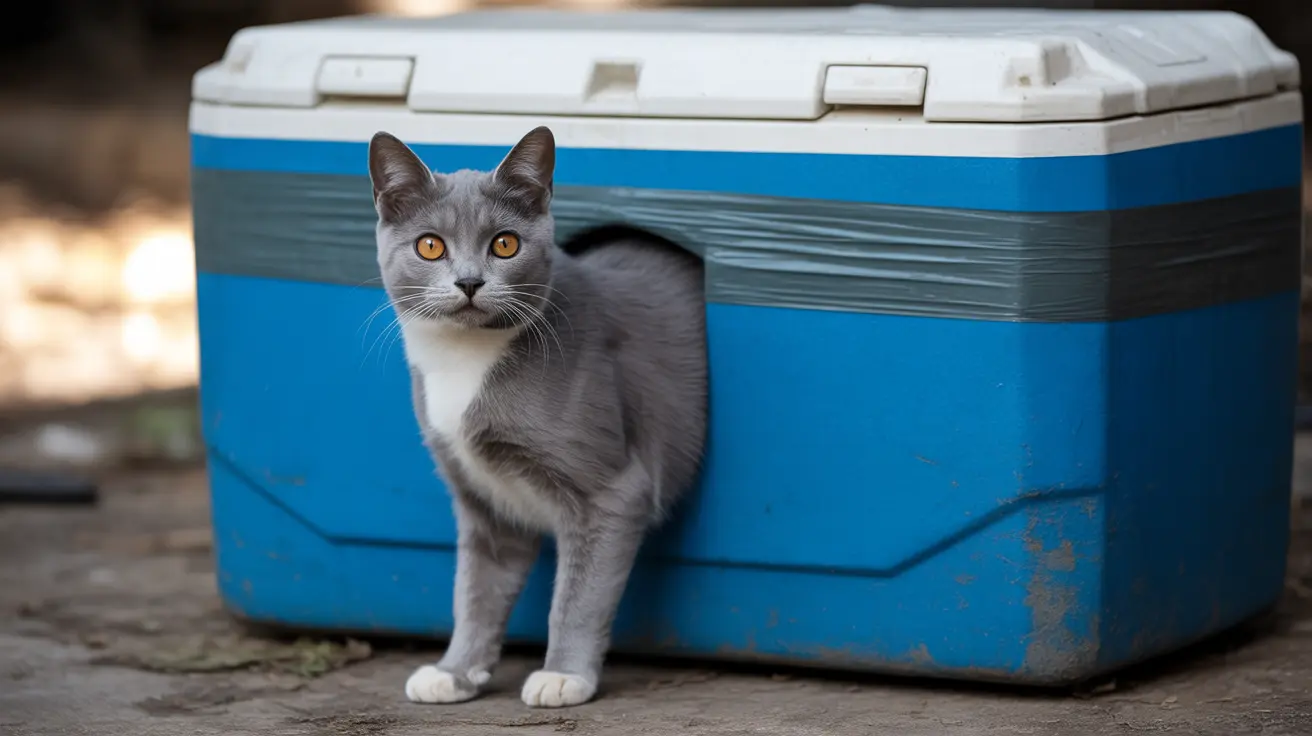
When winter temperatures plummet, outdoor cats face life-threatening conditions that can leave them "half-dead" and requiring emergency veterinary care. That's exactly what prompted Helping Outside Animals, a Naugatuck-based rescue organization, to develop an innovative solution using everyday items most people throw away. Their DIY cat shelter cooler project transforms discarded coolers into insulated winter refuges that could mean the difference between life and death for community cats.
The founder of Helping Outside Animals has witnessed firsthand the devastating effects of harsh weather on feral and stray cats, finding animals in critical condition that required immediate emergency room treatment. This sobering reality drove the organization to create practical, affordable shelter solutions that any community member can build to help protect vulnerable cats during the coldest months of the year.
The Life-Saving Impact of Insulated Feral Cat House Solutions
Feral cat winter shelter needs become critical when temperatures drop below freezing. Unlike domestic cats who have warm homes, outdoor cats must find adequate protection or face hypothermia, frostbite, and potentially fatal exposure. The cooler-based shelters created by Helping Outside Animals address this urgent need by providing insulated protection that maintains body heat while keeping out wind, rain, and snow.
These innovative shelters demonstrate how community members can take direct action to save lives. The organization's approach proves that effective cat shelter for cold weather doesn't require expensive materials or advanced construction skills—just creativity, compassion, and basic DIY knowledge.
How to Build Cat Shelter from Cooler: Essential Construction Tips
Creating an effective outdoor cat shelter straw-lined refuge from a discarded cooler involves several key considerations. The insulation properties of old coolers make them ideal candidates for conversion into protective shelters, as their thick walls and secure lids provide natural barriers against harsh weather conditions.
When constructing these shelters, size matters for both comfort and safety. The interior should be large enough for a cat to stand, turn around, and lie down, but small enough to retain body heat effectively. This balance ensures the shelter serves as a cozy retreat rather than a cold, cavernous space.
Creating Predator Proof Cat Shelter Features
Safety considerations extend beyond weather protection. A well-designed cooler shelter incorporates predator-deterrent features while maintaining easy access for cats. The entrance hole size proves critical—large enough for cats to enter and exit quickly if threatened, but small enough to discourage larger predators from entering.
Elevated placement and strategic positioning can further enhance security while maximizing the shelter's effectiveness against wind and precipitation.
Best Bedding for Outdoor Cat Shelter: Why Straw Beats Alternatives
The choice of bedding material significantly impacts a shelter's effectiveness. Straw vs hay cat bedding comparisons consistently favor straw due to its superior insulation properties and moisture resistance. Unlike hay, which can become moldy when wet, straw repels moisture while creating air pockets that trap warm air.
Blankets and towels, while seemingly comfortable, can actually become dangerous when wet, creating cold, damp conditions that increase hypothermia risk. Straw remains the gold standard for outdoor cat bedding because it stays dry and continues insulating even in humid conditions.
Community Cat Winter Protection Through TNR Cat Shelter Ideas
Organizations like Helping Outside Animals often integrate shelter projects with broader community cat management strategies. These cheap DIY feral cat shelter initiatives support Trap-Neuter-Return (TNR) programs by providing stable locations where cats can be monitored and cared for over time.
The Naugatuck CT cat rescue demonstrates how local organizations can mobilize community resources to address widespread issues. By teaching residents to build styrofoam lined cat shelter units from recycled materials, they multiply their impact while reducing costs.
Frequently Asked Questions
How do I make a DIY cat shelter from an old cooler for feral cats in winter?
Start with a sturdy cooler and cut an entrance hole approximately 6-8 inches in diameter on one side, positioned several inches above the bottom to prevent drafts. Line the interior with straw for insulation, ensuring the shelter is just large enough for one cat to conserve body heat effectively.
Why use straw instead of blankets or hay in outdoor cat shelters?
Straw provides superior insulation while repelling moisture, unlike blankets that become dangerously cold when wet or hay that can develop mold. Straw creates air pockets that trap warm air while staying dry, making it the safest bedding choice for outdoor shelters.
What size entrance hole should I cut for a cooler cat shelter to keep out predators?
An entrance hole of 6-8 inches in diameter allows cats easy access while deterring larger predators like raccoons or dogs. Position the hole several inches above the floor level to reduce drafts and improve the shelter's overall thermal efficiency.
The innovative work of Helping Outside Animals in Naugatuck proves that simple solutions can save lives when winter threatens vulnerable cats. By transforming discarded coolers into protective shelters, communities can take meaningful action to protect outdoor cats while recycling materials that might otherwise fill landfills. These DIY shelters represent more than just winter protection—they embody the compassionate spirit that drives effective animal welfare work.




