
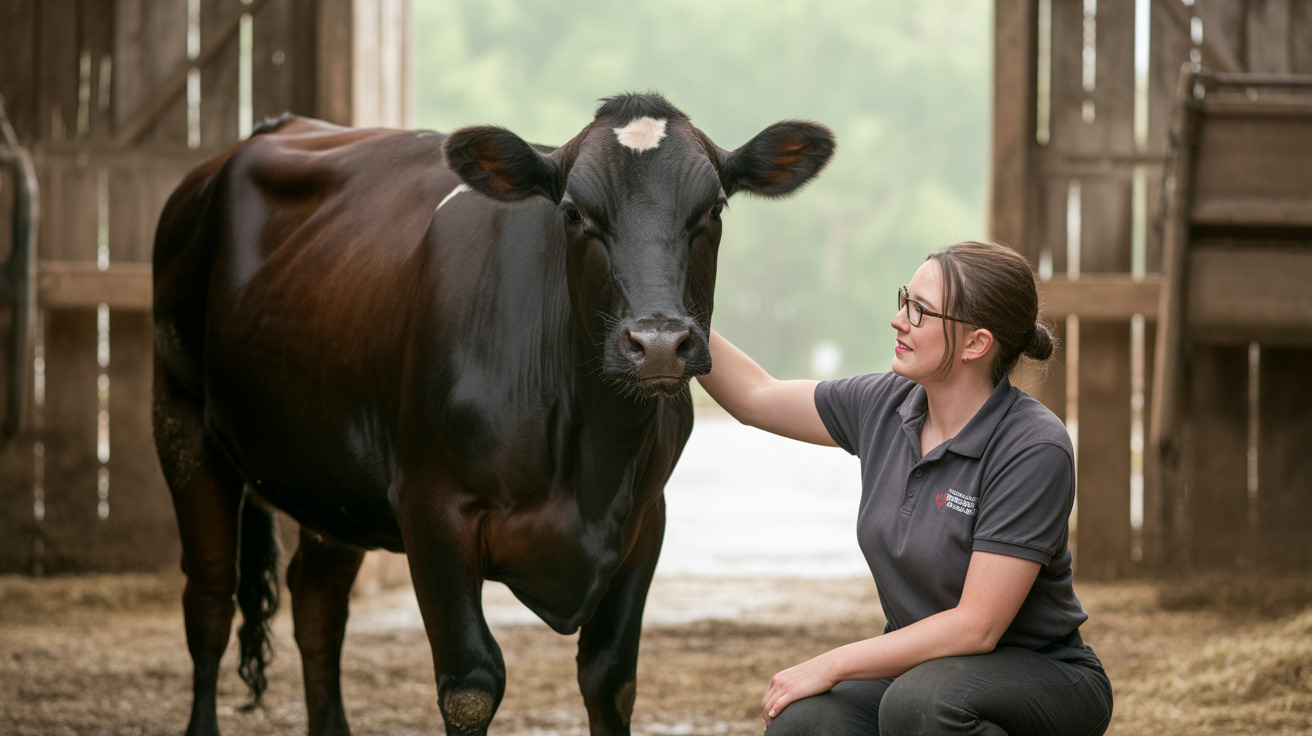
Understanding Cow Stress Signs and Contentment Indicators
Dairy cow contentment can be observed through several behavioral markers that researchers have identified. Content cows often display relaxed ear positioning, engage in mutual grooming by licking each other, and show calm body language during daily routines. These positive indicators help farmers and researchers distinguish between stressed and comfortable animals.
Conversely, cow stress signs include rapid breathing, excessive vocalization, and avoidance behaviors when humans approach. Understanding these signals allows farm managers to adjust their practices to create more supportive environments for their livestock.
Innovative Technologies for Livestock Emotion Detection
Modern farms are increasingly adopting cutting-edge technologies to monitor animal welfare. AI facial recognition for cows represents one of the most promising developments, allowing continuous monitoring of facial expressions that may indicate emotional states.
Wearable sensors for animals provide real-time data on movement patterns, heart rate, and other physiological indicators. These devices can alert farmers to potential stress or health issues before they become serious problems, supporting both animal welfare and farm productivity.
Measuring Animal Cortisol Levels
Scientists measure animal cortisol levels as a key indicator of stress in farm animals. Elevated cortisol often signals chronic stress, while normal levels suggest animals are coping well with their environment. This biological marker provides objective data to complement behavioral observations.
Behavioral Indicators Across Different Species
Pig Tail Wagging and Social Behaviors
Pig tail wagging serves as an important indicator of emotional state, similar to dogs. Relaxed, content pigs often display loose, wagging tails, while stressed pigs may show rigid or tucked tail positions. Social play behaviors and exploration also indicate positive welfare states in swine.
Chicken Dustbathing and Natural Behaviors
Chicken dustbathing represents one of the clearest signs of contentment in poultry. When chickens have access to appropriate materials and space for this natural behavior, they demonstrate better overall welfare. Other positive indicators include preening, comfortable roosting positions, and active foraging behaviors.
Judgment Bias Tests and Cognitive Assessment
Judgment bias tests for animals provide insight into whether livestock maintain optimistic or pessimistic outlooks. These cognitive assessments help researchers understand how environmental factors affect mental states, contributing to more comprehensive welfare evaluation protocols.
Animals in positive welfare states typically show more optimistic responses in these tests, approaching ambiguous situations with confidence rather than fear or hesitation.
Implementing Stress-Free Livestock Management
Effective stress-free livestock management combines environmental improvements with gentle handling techniques. Providing adequate space, proper nutrition, social interaction opportunities, and predictable routines all contribute to better emotional wellbeing in farm animals.
Farmers implementing these practices often report improved productivity alongside enhanced animal welfare, demonstrating that ethical farming practices can align with economic success.
Frequently Asked Questions
How can I tell if my farm animal like a cow or pig is happy or stressed?
Happy farm animals typically display relaxed body language, engage in natural behaviors like grooming or play, and show curiosity about their environment. Stressed animals may exhibit rapid breathing, excessive vocalization, repetitive behaviors, or avoidance of human contact. Regular observation of eating patterns, social interactions, and response to routine activities provides valuable insights into emotional states.
What signs show that chickens are content in their environment?
Content chickens engage in natural behaviors like dustbathing, preening, and foraging. They maintain normal eating and drinking patterns, roost comfortably at night, and show active social behaviors with flock mates. Happy chickens also demonstrate curiosity about their surroundings and respond calmly to familiar caretakers.
Why do cows flap their ears or lick each other when relaxed?
Ear flapping in cows often indicates comfort and relaxation, helping with temperature regulation and fly control in a stress-free manner. Mutual licking, or allogrooming, serves multiple purposes including social bonding, hygiene, and stress relief. These behaviors indicate positive social relationships within the herd and overall contentment with their environment.
Moving Forward with Compassionate Agriculture
The advancement of animal emotions research represents a significant step toward more humane farming practices. As scientists continue developing better methods for assessing livestock welfare, farmers gain valuable tools for creating environments where animals can thrive emotionally and physically.
This research ultimately benefits everyone involved in agriculture—from the animals themselves to consumers who increasingly value ethical food production. By understanding and respecting the emotional lives of farm animals, we can build a more sustainable and compassionate agricultural future.




