
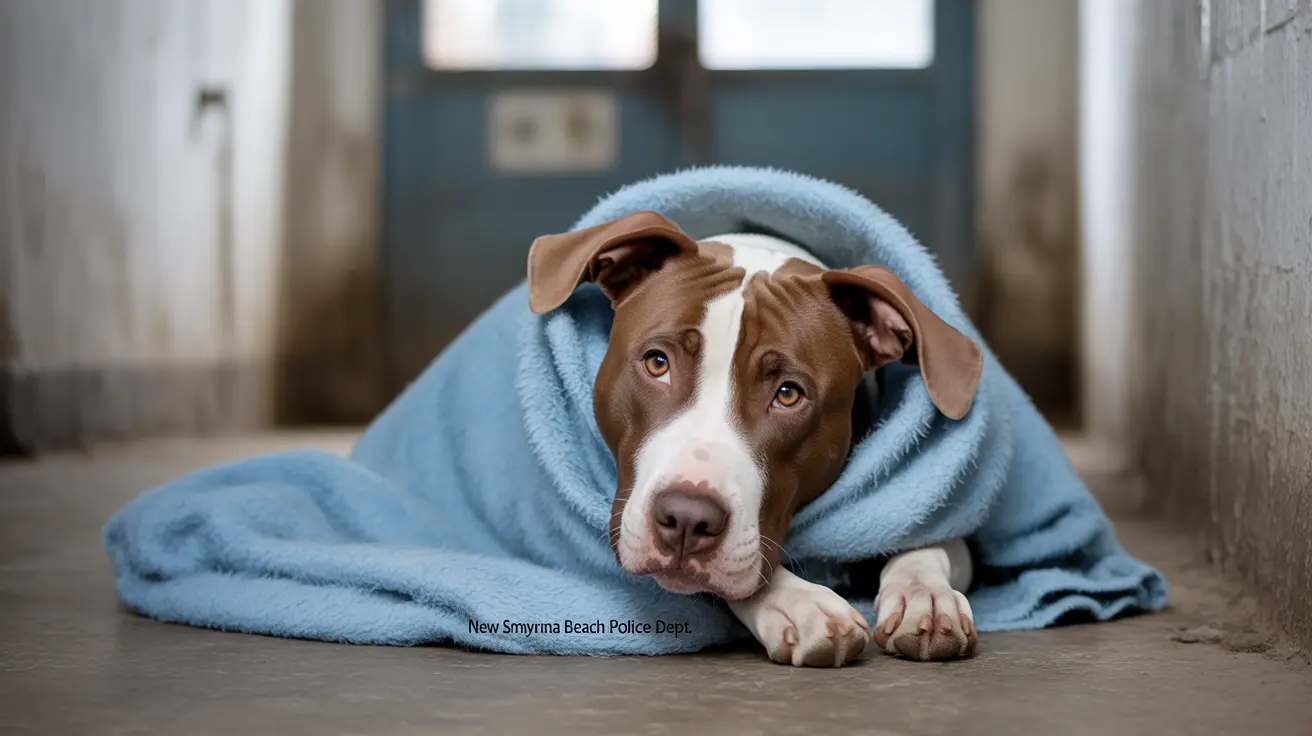
A troubling case of suspected animal neglect has unfolded in New Smyrna Beach, where 19-year-old Arriana Washington faces animal cruelty charges after an emaciated dog was discovered in critical condition. The incident, which occurred off Ingwood Avenue, highlights the serious legal consequences pet owners face under Florida animal cruelty laws when they fail to provide adequate care for their animals.
The dog remains in critical care as authorities investigate the circumstances surrounding its condition. This case serves as a stark reminder of the responsibilities that come with pet ownership and the severe penalties that await those who neglect or abuse animals in Florida.
Understanding Aggravated Animal Cruelty Penalties in Florida
Florida takes animal welfare seriously, with comprehensive legislation designed to protect pets from neglect and abuse. Under Florida Statute 828.12, aggravated animal cruelty penalties can include significant fines and imprisonment, particularly when animals suffer severe harm or are left in life-threatening conditions.
The state classifies animal cruelty offenses based on severity, with felony animal neglect Florida charges applying when animals experience prolonged suffering or are denied basic necessities like food, water, or medical care. These laws recognize that animals depend entirely on their human caretakers for survival and well-being.
How Dexter's Law Florida Strengthens Animal Protection
Dexter's Law Florida represents one of the state's most significant advances in animal protection legislation. This law enhances penalties for repeat offenders and ensures that those convicted of animal cruelty face appropriate consequences that reflect the severity of their actions.
The legislation also establishes protocols for animal abuser registry Florida systems, helping authorities track individuals with histories of animal mistreatment. This registry serves as a valuable tool for animal welfare organizations and potential adopters to make informed decisions about pet placements.
Recognizing Signs of Animal Neglect and Abuse
Pet owners and community members should be aware of warning signs that may indicate animal neglect or abuse. Emaciated animals, like the dog found in New Smyrna Beach, often display visible ribs, hip bones, and other skeletal features due to malnutrition. Other signs include:
- Untreated injuries or medical conditions
- Animals left outside in extreme weather without adequate shelter
- Lack of access to clean water or food
- Behavioral changes such as excessive fear or aggression
Understanding dog starvation laws Florida helps community members recognize when intervention may be necessary. Animals require consistent, nutritious meals appropriate for their age, size, and health status.
Trooper's Law and Emergency Preparedness
Trooper's Law animal abandonment provisions address situations where pet owners fail to make adequate arrangements for their animals during emergencies or disasters. This legislation recognizes that pets cannot care for themselves during evacuations or extended absences.
Responsible pet ownership includes developing emergency plans that account for animals' needs during natural disasters, extended travel, or other circumstances that might affect their care. Pet owners should establish relationships with trusted caregivers who can step in when needed.
Legal Consequences and Community Impact
Animal cruelty charges Florida courts handle carry serious implications beyond immediate legal penalties. Convictions can affect employment opportunities, housing applications, and future pet ownership rights. The Volusia County animal abuse case involving Washington demonstrates how quickly situations involving animal neglect can escalate to criminal charges.
Ponce's Law penalties further strengthen the state's ability to prosecute animal cruelty cases effectively. These laws ensure that animals receive the protection they deserve while holding responsible parties accountable for their actions.
Community Resources and Reporting
Reporting animal cruelty Florida residents suspect requires immediate action through appropriate channels. Local animal control services, law enforcement agencies, and animal welfare organizations all play vital roles in investigating and addressing suspected abuse cases.
Early intervention often makes the difference between successful rehabilitation and tragic outcomes. Community members who observe concerning situations should document what they witness and contact authorities promptly.
Frequently Asked Questions
What are the penalties for animal cruelty in Florida?
Florida imposes significant penalties for animal cruelty, including fines up to $10,000 and potential imprisonment. Repeat offenders face enhanced penalties under Dexter's Law, and aggravated cases involving severe harm can result in felony charges.
What is aggravated animal cruelty under Florida law?
Aggravated animal cruelty occurs when someone intentionally commits an act that results in excessive or repeated infliction of unnecessary pain or suffering, or causes cruel death to an animal. This includes severe neglect that leads to life-threatening conditions.
What should I do if I suspect animal neglect or abuse in New Smyrna Beach?
Contact local animal control services or law enforcement immediately if you suspect animal abuse. Document what you observe with photos or videos if safely possible, and provide detailed information about the location and circumstances to authorities.
How does Trooper's Law protect pets during disasters in Florida?
Trooper's Law requires pet owners to make adequate arrangements for their animals during emergencies and prohibits abandoning pets during evacuations. Violations can result in criminal charges and enhanced penalties for endangering animals during disasters.




