
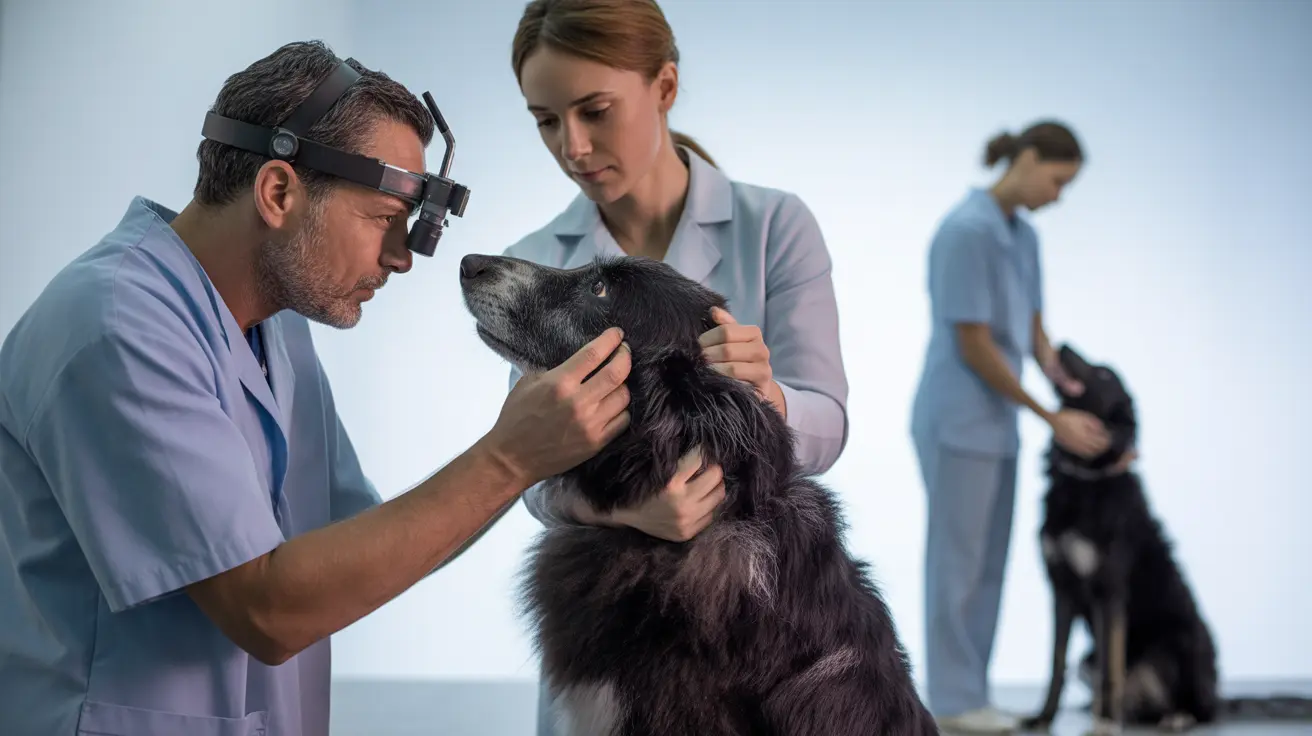
Service dogs, guide dogs, and other working animals dedicate their lives to assisting their human partners, making their health and well-being a top priority for the families they serve. A groundbreaking nationwide program is now offering free eye exams for service dogs and other working animals, connecting pet owners with board-certified veterinary ophthalmologists at no cost. This initiative provides crucial health screenings that can detect vision problems early, ensuring these remarkable animals can continue their vital work.
The program represents a significant opportunity for service dog handlers, police departments with K-9 units, and therapy animal organizations to access specialized veterinary care that might otherwise be financially challenging. Early detection of eye conditions in working dogs is essential, as these animals rely heavily on their vision to perform their duties safely and effectively.
ACVO Vision for Animals Month Initiative
The American College of Veterinary Ophthalmologists (ACVO) spearheads this comprehensive program during their annual Vision for Animals Month. This initiative connects working dog handlers with ACVO board-certified eye specialists across the country, providing professional ophthalmology examinations that would typically cost hundreds of dollars.
The free veterinary eye screening for working dogs covers a wide range of animals, including guide dogs for the visually impaired, hearing dogs for the deaf, mobility assistance dogs, police K-9 units, search and rescue dogs, and therapy animals. This broad inclusion ensures that various types of working animals can benefit from expert eye care.
Common Eye Health Issues in Service Animals
Working dogs face unique challenges that can affect their vision over time. The most frequently detected conditions during these screenings include cataracts, progressive retinal atrophy, glaucoma, and corneal injuries. Service animal cataracts detection is particularly important, as this condition can develop gradually and significantly impact a dog's ability to navigate safely.
Progressive retinal atrophy in service dogs is another serious concern that can lead to vision loss if not monitored properly. This genetic condition causes the gradual deterioration of the retina, and early detection allows handlers to make necessary adjustments to their dog's training and work routine.
Benefits of Early Vision Detection in Working Animals
The importance of early vision detection in working animals cannot be overstated. Unlike pet dogs who may adapt well to vision changes in a familiar home environment, working dogs must maintain their visual acuity to perform complex tasks safely. Regular eye examinations can identify problems before they become severe, allowing for treatment options that may preserve or improve vision.
Additionally, knowing about a service dog's eye health helps handlers make informed decisions about the animal's career and retirement planning. Some conditions may require medical management, while others might indicate the need for gradual transition to retirement.
How to Access the Program
To register for a service dog eye screening, handlers should contact participating ACVO ophthalmologists in their area during the designated program period. The nationwide free vet eye program for dogs operates through a network of certified specialists who volunteer their time and expertise to support working animals and their handlers.
The program typically requires documentation proving the animal's working status, such as service dog certification, police K-9 documentation, or therapy animal registration. This ensures that the free services reach the intended recipients while maintaining the program's sustainability.
Frequently Asked Questions
How can I get a free eye exam for my service dog through the ACVO program?
Contact participating ACVO board-certified ophthalmologists in your area during Vision for Animals Month. You'll need to provide documentation of your dog's working status and schedule an appointment during the program period. The ACVO website maintains a directory of participating specialists.
What common eye problems are detected in service animals during free ACVO exams?
The most frequently identified conditions include cataracts, progressive retinal atrophy, glaucoma, corneal injuries, and various genetic eye disorders. Early detection of these conditions helps ensure continued safe performance of working duties and allows for appropriate treatment planning.
Which types of working dogs qualify for the free veterinary ophthalmology program?
The program covers guide dogs, hearing dogs, mobility assistance dogs, police K-9 units, search and rescue dogs, therapy animals, and other certified working dogs. Documentation of the animal's working status is typically required to qualify for the free screening.
Conclusion
The ACVO's free eye exam program for service dogs represents an invaluable resource for the working dog community. By providing access to specialized veterinary care at no cost, this initiative helps ensure that our four-legged heroes can continue their important work while maintaining optimal eye health. Service dog handlers and working animal organizations should take advantage of this opportunity to safeguard their animals' vision and overall well-being.
Regular eye care is an investment in a working dog's career longevity and quality of life. Through programs like this, the veterinary community demonstrates its commitment to supporting both the animals and the people who depend on their remarkable abilities.




