
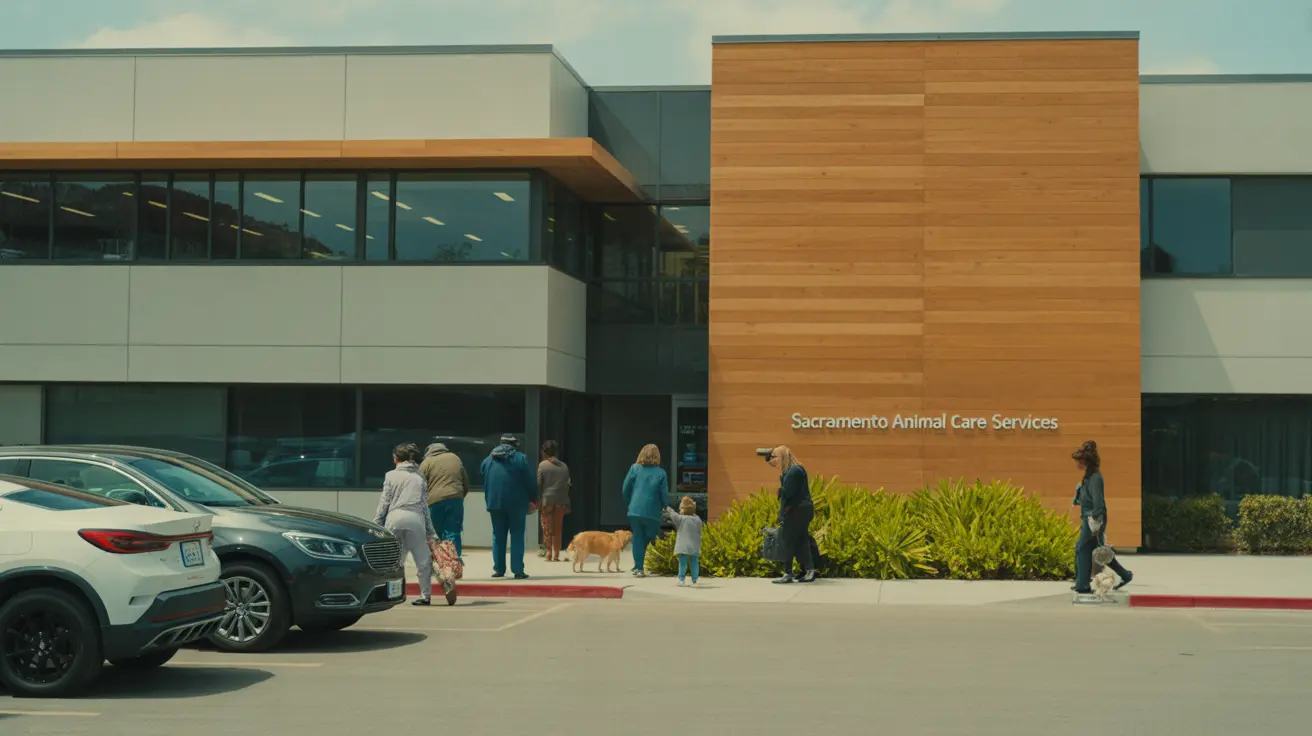
The Front Street Animal Shelter in Sacramento is under intense scrutiny after a law firm specializing in animal rights filed serious accusations against the facility for allegedly engaging in illegal practices. These allegations have raised significant concerns among pet owners and animal welfare advocates throughout the Sacramento community about how the city's primary animal shelter operates during times of overcrowding.
The controversy centers around the shelter's operational practices and whether they comply with state and local regulations designed to protect animals and ensure proper care. For pet parents in the Sacramento area, these developments highlight the importance of understanding your local shelter's policies and the broader challenges facing animal welfare facilities across California.
Understanding the Allegations Against Sacramento Animal Shelter
According to the legal complaint, the Front Street Animal Shelter has been accused of implementing practices that may violate animal welfare laws. The law firm representing the case specializes in animal rights and has identified specific operational concerns that warrant legal intervention.
These allegations come at a time when many shelters across the country are struggling with capacity issues and resource limitations. Pet owners should be aware that shelter policies can significantly impact how animals are received, cared for, and processed through the system.
Reduced Intake Programs and Legal Concerns
One of the key issues in the case involves the shelter's reduced intake programs, which appear to be at the center of the legal dispute. These programs typically involve limiting the number of animals a shelter accepts, often during periods of overcrowding or resource constraints.
While reduced intake programs are sometimes used by shelters nationwide to manage capacity, the legal challenge suggests that Front Street Animal Shelter's implementation of such programs may not comply with applicable laws and regulations. Pet owners should understand that shelters have legal obligations to provide certain services to the community, regardless of capacity challenges.
Unvaccinated Animals and Shelter Policies
The situation also involves concerns about how the shelter handles unvaccinated animals, with allegations that some animals may be turned away inappropriately. This raises important questions about rabies prevention and public health responsibilities that shelters must maintain.
For pet parents, this underscores the critical importance of keeping your pets up-to-date on vaccinations, not only for their health but also to ensure they can receive proper care if they ever need shelter services. Regular veterinary care and vaccination records can make a significant difference in emergency situations.
Shelter Overcrowding and Capacity Issues
Shelter overcrowding Sacramento-wide represents a persistent challenge that affects animal welfare and community safety. When facilities exceed their capacity, it can lead to difficult decisions about intake policies, care standards, and resource allocation.
An independent animal shelter audit may help identify specific areas where improvements are needed. Such audits typically examine operational procedures, facility conditions, staffing levels, and compliance with relevant regulations.
Community Impact and Rescue Organizations
Local rescue organizations, including NorCal Bully Breed Rescue and Elk Grove Cat Rescue, play crucial roles in supporting the broader animal welfare network. These groups often work alongside municipal shelters to help manage pet overpopulation and find homes for animals in need.
The current legal situation highlights the importance of strong partnerships between official shelters and community rescue groups in addressing Sacramento pet overpopulation effectively.
Pet Licensing and Community Responsibility
Pet licensing Sacramento requirements exist partly to support shelter operations and animal services. Licensed pets are more easily reunited with their families and help fund important community animal services.
Responsible pet ownership, including licensing, spaying and neutering, and proper identification, can help reduce the burden on shelter systems and improve outcomes for all animals in the community.
Frequently Asked Questions
Why is Front Street Animal Shelter in Sacramento accused of illegal practices?
A law firm specializing in animal rights has filed allegations against the shelter regarding its operational practices, particularly concerning reduced intake programs and how certain animals are handled. The specific legal violations have not been detailed publicly, but the case centers on whether the shelter's practices comply with animal welfare regulations.
What are reduced intake programs, and are they legal at animal shelters?
Reduced intake programs limit the number of animals a shelter accepts, typically during overcrowding situations. While such programs can be implemented legally under certain circumstances, they must comply with applicable laws and regulations. The legality depends on how they're implemented and whether they meet the shelter's legal obligations to the community.
How can pet licensing help support local animal shelters?
Pet licensing fees often help fund animal services and shelter operations in communities. Licensed pets are also more easily identified and returned to their owners, reducing the burden on shelter resources. Keeping your pet properly licensed, vaccinated, and identified supports the overall animal welfare system in your area.
Moving Forward
As this legal case develops, it serves as an important reminder for pet owners to stay informed about local animal welfare issues and support responsible practices that benefit all animals in the community. Whether through proper pet care, supporting rescue organizations, or advocating for improved shelter conditions, every pet parent can contribute to positive change in animal welfare.




